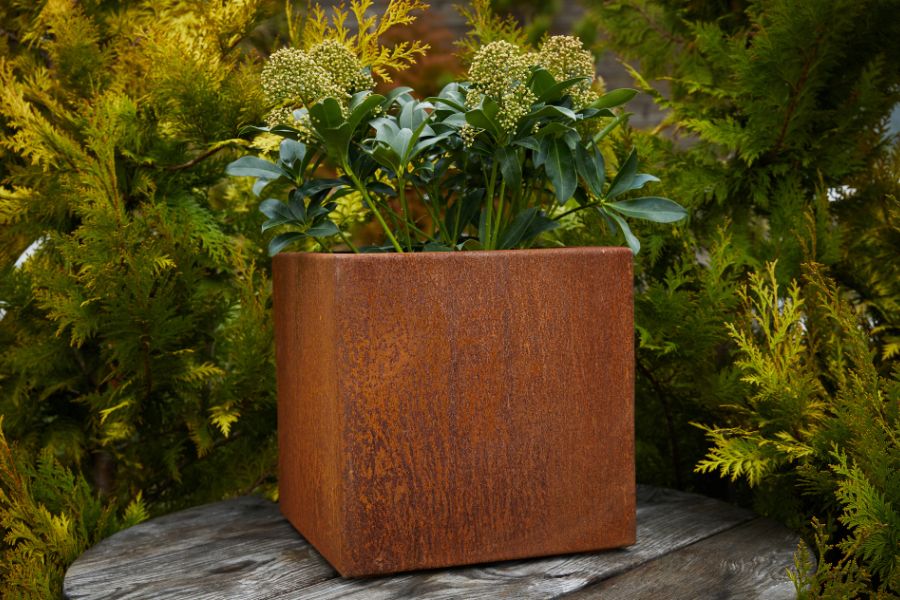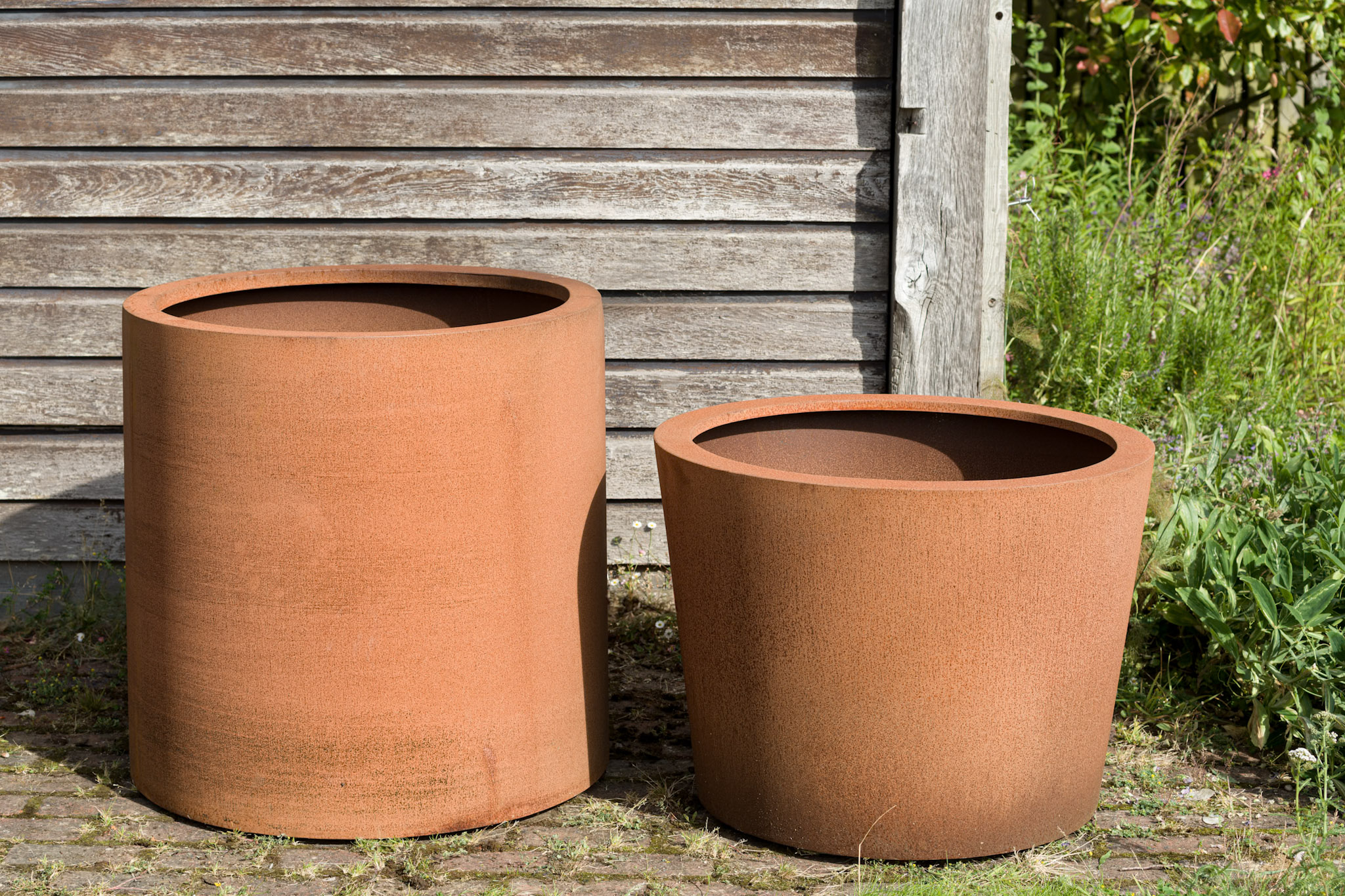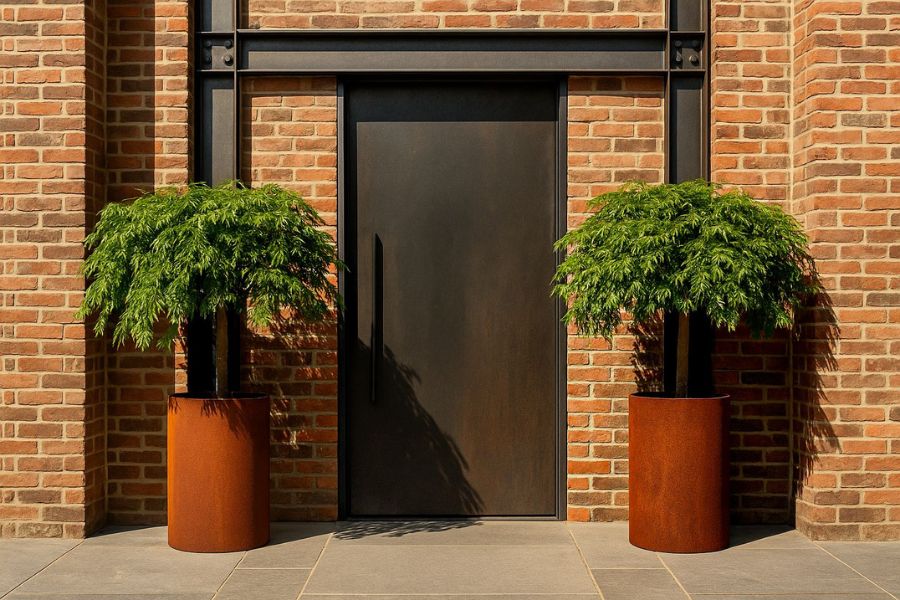

Barium - Corten Steel Rectangular Trough
Product Code: P-000407
We believe in the power of premium materials to transform spaces, inside and out.

We strive to deliver your products as promptly as possible, so you can start enjoying them right away.

Our customers are at the heart of everything we do. That’s why we are proud to showcase our Trustpilot reviews.

Shopping with us is straightforward and stress-free. Our dedicated team is just a call or email away if you need assistance.
Product Details
490mm Wide|1800mm Long|900mm High|Dimensions may vary up to 10%|Drainage holes|Frost-resistant|UV-resistant|Internal and external use|Stackable when not in use|Reinforced walls|Textured surface|Eco-friendly materials|Durable|Colouring can vary
Installation
Installation Guide for Corten Steel Products
Introduction
Corten steel products—such as planters, water features, and garden screens—are designed for durability and a striking industrial aesthetic. Over time, they develop a protective rust-like patina that enhances their character. Proper installation ensures stability, drainage, and long-term performance.
Tools & Materials Needed
- Corten steel product (planter, water feature, screen)
- Leveling tools (spirit level)
- Gravel or drainage aggregate
- Geotextile liner (optional for planters)
- Stainless steel fixings (for screens)
- Protective mat or tray (for indoor use)
- Safety gloves and lifting equipment for heavy items
Step-by-Step Installation
1. Choose the Location
- Stable Surface:
Place on a level, solid base such as concrete, paving slabs, or compacted gravel. - Weight Consideration:
Large planters and water features can be heavy—select the final position carefully before filling. - Surface Protection:
Use a tray or mat under the product to prevent rust runoff staining light-colored surfaces.
2. Prepare for Drainage
- Planters:
- Ensure drainage holes are present.
- Add a layer of gravel or stones at the base for water flow.
- Optionally use a geotextile liner to separate soil from drainage material.
- Water Features:
- Check for proper water inlet/outlet connections.
- Ensure pump and electrical components are installed per manufacturer instructions.
3. Position and Level
- Use a spirit level to ensure the product sits evenly.
- For screens or panels, secure with stainless steel fixings to prevent corrosion.
4. Planting or Filling
- Planters:
Add soil suitable for your plants and ensure proper aeration. - Water Features:
Fill with clean water and test pump functionality.
5. Indoor Installation Notes
- Always use a liner or seal the interior of planters and water features to prevent leaks and rust stains.
- Place a protective tray beneath the product.
Special Considerations for Corten Steel
- Patina Development:
The rust-like finish will form naturally when exposed to moisture and air—this is normal and protective. - Avoid Direct Soil Contact:
For screens or decorative panels, prevent prolonged contact with soil or mulch to avoid uneven weathering.
Maintenance After Installation
- Minimal upkeep required—Corten steel is designed to weather naturally.
- Periodically check drainage holes and water feature pumps.
- If desired, apply a clear sealant after patina formation to reduce staining.
Drainage
- Ensure the planter has pre-drilled drainage holes.
- Add a layer of gravel or stones at the base to promote water flow and prevent root rot.
- For indoor use, place a saucer or tray beneath the planter to catch excess water.
Planting
- Use high-quality soil suitable for your plants.
- Consider adding a geotextile liner to separate soil from the drainage layer and prevent clogging.
Special Notes for Corten Steel
- Patina Development:
The rust-like finish will form naturally when exposed to moisture and air. This is normal and protective. - Surface Protection:
Avoid placing planters on surfaces that can stain (e.g., light stone or decking) without a protective mat or tray. - Indoor Use:
If using indoors, seal the planter or use a liner to prevent water seepage and rust runoff.
Care & Maintenance
Care & Maintenance Guide for Corten Steel Products
Introduction
Corten steel is a weathering steel designed to form a stable, rust-like patina when exposed to moisture and air. This patina acts as a protective layer, making Corten steel highly durable and low-maintenance. While it requires minimal care, proper handling ensures longevity and prevents unwanted staining or structural issues.
1. Understanding the Patina
- Natural Process:
The protective patina develops over 6–12 months outdoors. It starts as bright orange and darkens to a deep brown over time. - Purpose:
The patina prevents further corrosion, making Corten steel ideal for outdoor use. - Tip:
Avoid sealing during the initial weathering phase unless you want to preserve the early color.
2. Placement & Surface Protection
- Prevent Staining:
Rust runoff can stain light-colored surfaces like stone or concrete. Use:- Gravel beds
- Drainage trays
- Protective mats beneath products
- Indoor Use:
Always use liners or seal the interior of planters and water features to prevent leaks and rust stains.
3. Cleaning
- Routine:
Wipe with a dry cloth for dust. For dirt, use mild soap and water. - Avoid:
Harsh chemicals, abrasive pads, or pressure washers—they can damage the patina.
4. Drainage & Moisture Management
- For planters and water features, ensure drainage holes remain clear.
- Avoid water pooling around the base of screens or sculptures—this can accelerate uneven corrosion.
5. Optional Sealing
- Why Seal?
To reduce rust runoff and lock in the current patina color. - How:
Apply a clear matte metal sealant after the patina has fully formed.
6. Seasonal Checks
- Inspect welds and joints for structural integrity.
- Remove debris from around bases to maintain airflow and prevent water accumulation.
Extra Tips
- Do not paint Corten steel—it defeats the purpose of natural weathering.
- For uniform patina development, occasionally mist the surface during early stages.
- Avoid prolonged contact with soil or mulch without a barrier—they can trap moisture and cause uneven weathering.
Pros & Cons of Corten Steel
Pros
- Extremely durable and weather-resistant.
- Unique industrial aesthetic.
- Low maintenance once patina stabilizes.
Cons
- Rust runoff can stain nearby surfaces.
- Heavier than alternatives—requires careful placement.
- Initial weathering phase may look uneven.