
Oak Cladding
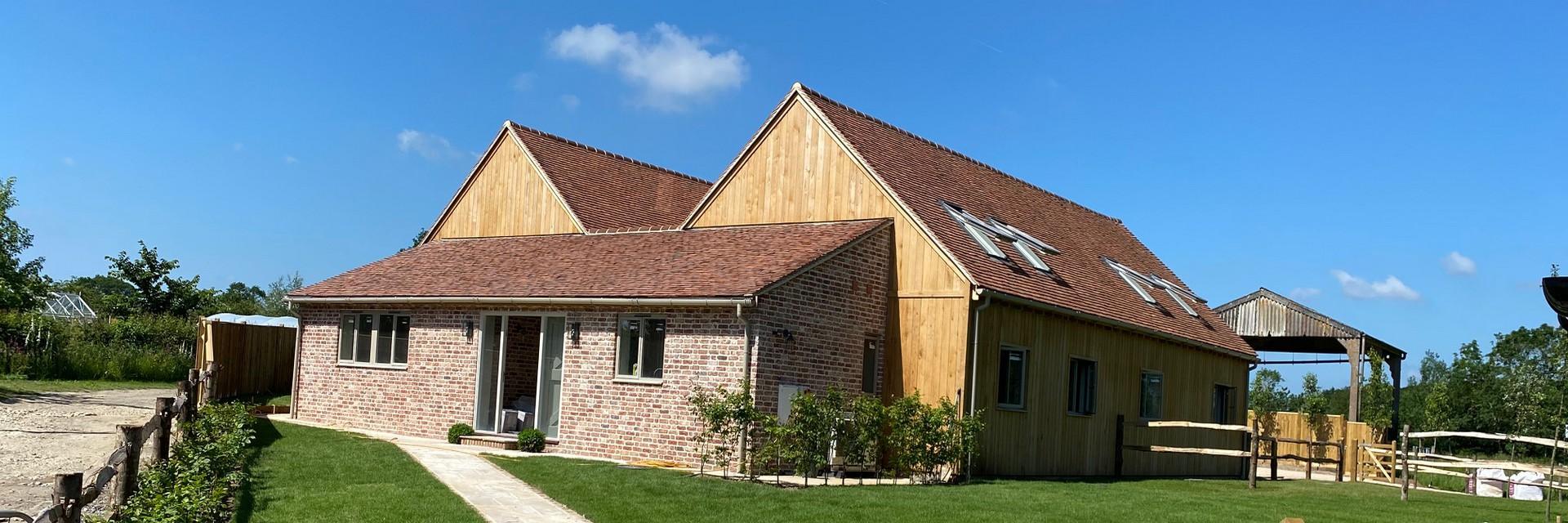
Oak cladding offers a durable hardwood finish for both traditional and contemporary buildings. Suitable for exterior walls, garden rooms, extensions, and landscaping projects, oak develops a natural silver-grey patina as it weathers.
Explore our range of profiles, including shiplap, TG&V, square edge, featheredge, castellated, and oak battens, or browse our full collection of hardwood cladding to compare timber options.
- Filters
- Width
- Profile
- View all Cladding
- View results

Why Choose Oak Cladding?
Natural Character
Oak is valued for its distinctive grain, varied tones, and natural features. Each board is unique, with differences in colour, knots, and grain pattern adding depth and character once installed. This natural variation is part of what makes oak cladding well suited to both contemporary designs and more traditional properties.
Long Service Life
As a naturally durable hardwood, oak is well suited to external cladding when correctly detailed and installed. It offers dependable performance in exposed environments while retaining its strength and appearance over time. Good design, adequate ventilation, and the correct fixings all contribute to the longevity of the installation.
Ages Naturally
Freshly machined oak has a warm golden-brown appearance that gradually weathers to a silver-grey patina when exposed to the elements. This is a natural ageing process that affects the timber’s colour rather than its structural performance.
If you prefer to restore or maintain the original tone, our Treatex Wood Rejuvenator provides a simple way to refresh weathered oak.
Varied Suitability
Oak cladding is a versatile choice for house extensions, garden rooms, home offices, garages, outbuildings, and garden walls, as well as commercial landscaping schemes. With a choice of profiles to suit different architectural styles, it offers a practical hardwood finish across a wide variety of residential and commercial applications.
Choosing the Right Oak Cladding Profile
The profile you choose will influence both the appearance of your project and the finished installation. Our oak cladding range includes a selection of profiles to suit different architectural styles and applications.
Square Edge
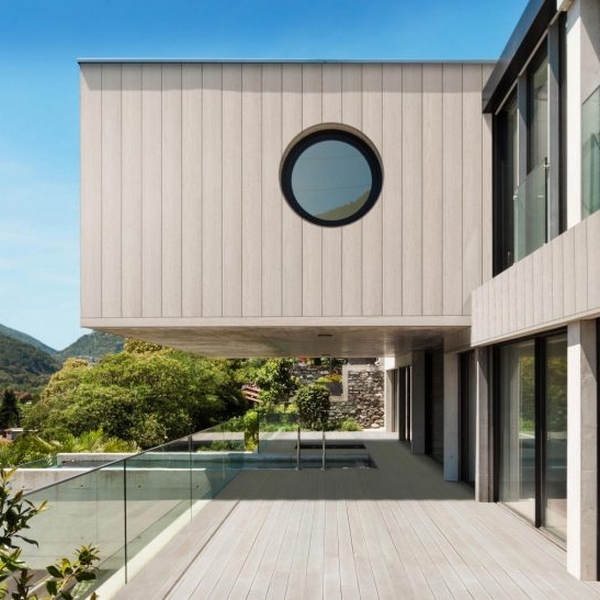
Square edge boards create contemporary finish. They are a popular choice for modern homes, extensions, and garden buildings where a crisp appearance is preferred.
Shiplap
Shiplap boards feature a rebated edge that creates an overlapping joint, helping to shed water while producing a neat finish. They are well suited to exterior applications where weather resistance and a traditional boarded appearance are important.
TG&V
Tongue and groove (TG&V) boards interlock to create a close-fitting surface with a classic timber finish. Depending on the design and installation method, they can be fitted horizontally or vertically, making them a versatile option for a range of residential and commercial projects.
Featheredge
Featheredge cladding creates a more textured appearance thanks to its tapered profile. It is often specified for traditional buildings, agricultural structures, and garden projects where an informal finish complements the surrounding landscape.
Castellated
Castellated oak cladding creates a bold linear effect, with alternating depths adding shadow and texture across the facade. It is well suited to contemporary homes, feature walls, and architectural projects where the cladding is intended to become a focal point.
Oak Battens
Oak battens offer a flexible alternative to traditional cladding profiles. They can be installed to create modern rainscreen-style facades, decorative screening, feature walls, or privacy screens, and are often combined with backing boards to produce striking shadow-gap designs.
Available in a range of sizes, they allow designers and installers to achieve a bespoke finish while retaining the natural character of solid oak.
Installation Considerations
Correct installation is just as important as choosing the right cladding profile.
- Oak is a natural material that responds to changes in temperature and moisture, so allowing for movement during installation helps maintain both appearance and performance.
- Cladding should be installed over a suitable batten system with a ventilated cavity behind the boards. This encourages airflow, helps moisture escape, and supports the long-term performance of the timber.
- Boards should also be acclimatised on site before installation, allowing them to adjust to local conditions prior to fixing.
- When installing oak cladding, always use stainless steel fixings, as standard steel can react with the timber’s natural tannins and lead to staining or corrosion. Our Stainless Steel Ring Shank Nails are specifically suited to timber cladding applications and provide a secure fixing.
Installation methods can vary depending on the profile selected and the requirements of your project. Always follow the manufacturer’s guidance and recognised best practice to achieve the best results.
For practical advice before you begin, read our Essential Cladding Installation Checklist, which covers key considerations for preparing and fitting timber cladding correctly.
Looking After Oak Cladding
Oak cladding requires relatively little maintenance and can be left to weather naturally if you prefer a silver-grey finish. This gradual colour change is a normal part of the timber’s ageing process and does not affect its structural performance.
To keep your cladding looking its best, inspect it periodically and remove any dirt, moss, or surface debris with a soft brush and clean water. Harsh chemicals and aggressive pressure washing should be avoided, as they can damage the timber’s surface.
Treatments are optional and depend on the finish you want to achieve. If you’d like to restore weathered oak or maintain more of its original golden-brown colour, Treatex Wood Rejuvenator offers a straightforward way to refresh the timber without affecting its natural character.
Related Hardwood Cladding Options
Oak is an excellent choice for many projects, but it isn’t the only hardwood available.
If you’re comparing species, our wider hardwood cladding range also includes Ipe, valued for its exceptional density and rich colour, Yellow Balau, which offers a practical balance of durability and value, and Cumaru, a tough hardwood with warm natural tones.
Each timber has its own appearance and performance characteristics, making it easier to find the right fit for your design, budget and application.
Browse Our Oak Cladding Range
Find the right oak cladding for your project, from traditional TG&V boards to contemporary castellated profiles and oak battens. Browse the range online or get in touch for practical advice on product selection, quantities and installation.
Get a Quote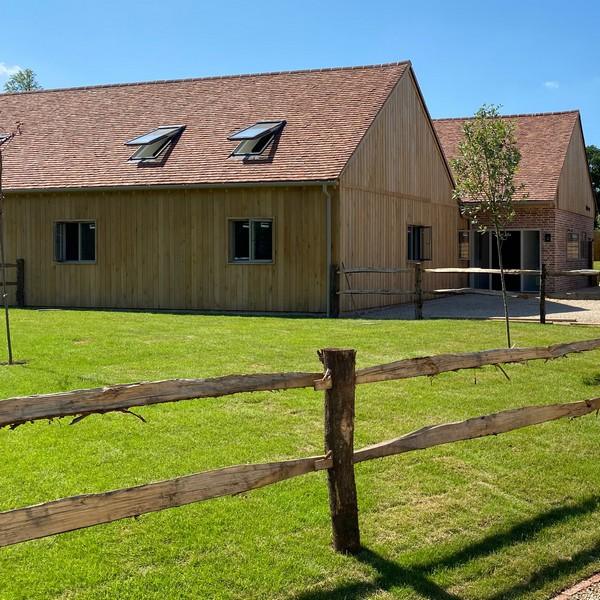
Frequently Asked Questions
Can oak battens be used as cladding?
Yes. Oak battens are widely used to create modern facades, feature walls, decorative screening, and shadow-gap cladding systems, often installed over backing boards.
Can oak cladding be installed vertically?
Many oak cladding profiles can be installed vertically or horizontally, depending on the profile and the design of your project. Always follow the manufacturer's installation guidance to ensure the best results.
Does oak cladding need treating?
No. Oak is a naturally durable hardwood and can be left untreated to weather naturally. Applying a treatment is optional and usually comes down to whether you want to preserve or restore the timber's original colour.
How long does oak cladding last?
When correctly installed and maintained, oak provides a durable external cladding solution. Good detailing, ventilation and suitable fixings all help maximise its long-term performance.
How much oak cladding do I need?
The quantity required depends on the cladding profile, board coverage, spacing, and the size of the area being clad. Measuring the total surface area and allowing for wastage will help you estimate the amount needed.
Is oak suitable for modern homes?
Yes. Oak works equally well on contemporary and traditional properties. Profiles such as square edge, castellated, and oak battens are particularly popular for modern homes, extensions, and garden rooms.
What fixings should I use for oak cladding?
We recommend using Stainless Steel Ring Shank Nails for oak cladding, as stainless steel helps prevent corrosion and reduces the risk of staining caused by the timber's natural tannins.
What’s the difference between oak and other hardwood cladding?
Oak is valued for its natural character and the way it develops an attractive silver-grey finish over time. Other hardwoods, including Ipe, Yellow Balau and Cumaru, differ in colour, density, and appearance. Browse our full hardwood cladding range to compare the available options.
What’s the difference between shiplap and square edge oak cladding?
Shiplap boards feature a rebated edge that creates an overlapping joint to improve weather protection. Square edge boards are straight and more contemporary in appearance, with the finished look depending on the installation method.
What’s the difference between softwood and hardwood cladding?
Hardwood cladding, including oak, is naturally durable and offers distinctive grain and character. Softwood can be a more economical option but typically requires more ongoing maintenance. Read our guide to softwood vs hardwood cladding to compare the two and choose the right timber for your project.
Will oak cladding turn grey?
Yes. Fresh oak starts with warm golden-brown tones before gradually developing a silver-grey patina when exposed to the weather. This is a natural ageing process and does not affect the timber's structural performance.
Get a Quote
Looking for advice or would like a quote? Fill out our quick form below and we’ll get back to you by the end of the next working day.

