
Thermo-Treated Cladding
Thermo-treated cladding is created by modifying timber with heat and steam to improve its performance outdoors. Our range includes Thermory Ash, Pine, Spruce, Radiata Pine, and Bamboo cladding, offering a variety of profiles for both contemporary and traditional projects.
Browse our collection of thermo-treated timber, or explore our wider range of hardwood cladding to compare different materials and finishes.

What Is Thermo-Treated Timber?
Thermo-treated timber is wood that has been heated to very high temperatures in a carefully controlled environment using heat and steam. This process changes the timber’s internal structure without the need for chemical preservatives, improving its performance for external applications.
The treatment reduces the timber’s ability to absorb moisture, making it more dimensionally stable and less prone to shrinking, swelling, or warping as weather conditions change. It also increases the wood’s natural resistance to decay, making it well suited to cladding, decking, and other outdoor uses.
Why Choose Thermo-Treated Cladding?
Improved Stability
The thermo-treatment process reduces the timber’s moisture content, making it more stable than untreated wood. This helps minimise movement caused by changing weather conditions, reducing the risk of excessive shrinking, swelling, and warping once installed.
Greater Durability
Thermo-treated timber is naturally more resistant to moisture and decay, making it well suited to external cladding applications. Combined with correct installation and good ventilation, it provides a reliable solution for long-term outdoor use.
Chemical-Free Treatment
Unlike pressure-treated timber, thermo-treated wood is modified using only heat and steam. No chemical preservatives are added during the process, allowing the timber to retain its natural character while improving its performance outdoors.
Consistent Appearance
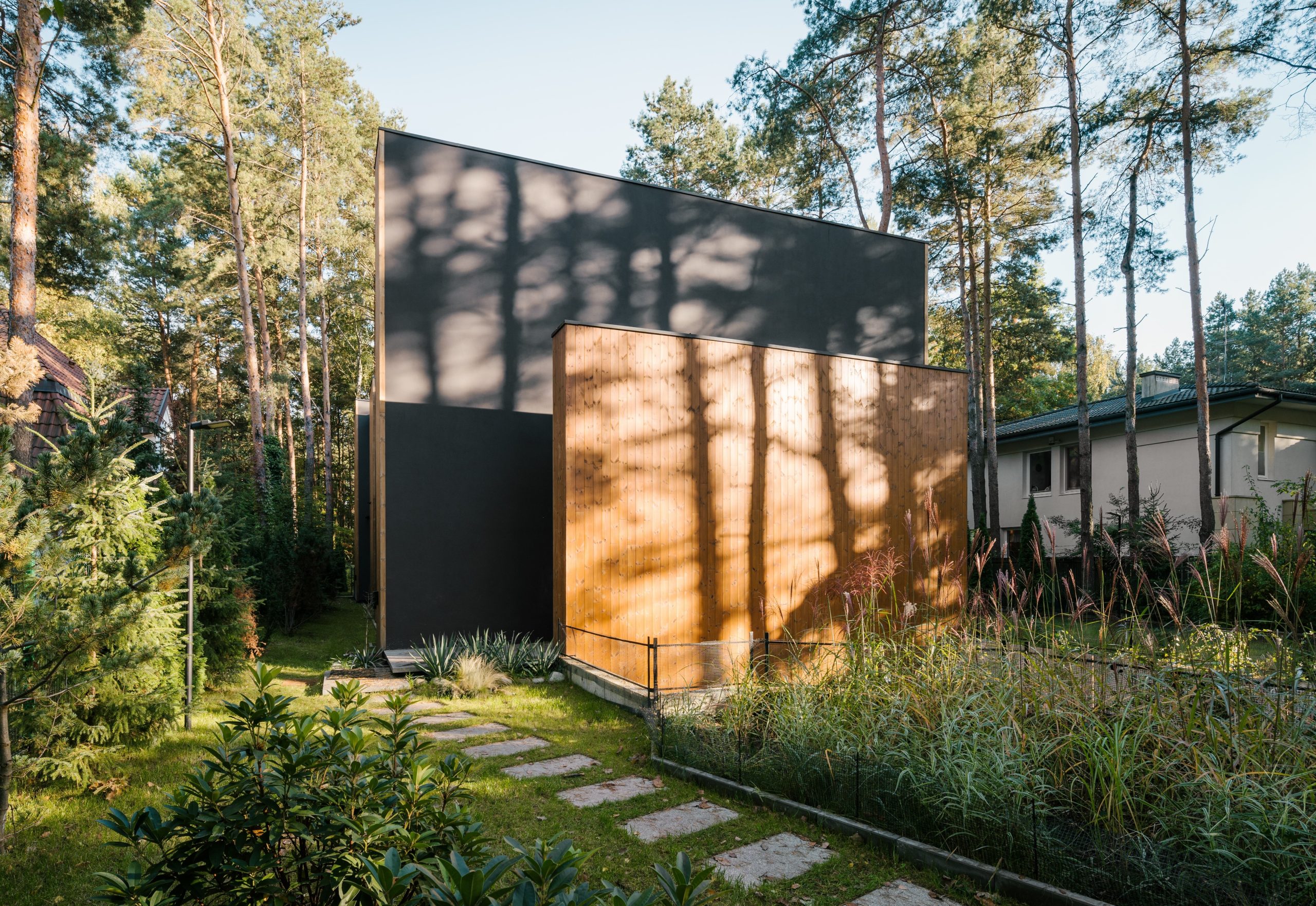
The treatment process gives the timber a warm colour that runs throughout the board rather than sitting on the surface. Like all natural timber, thermo-treated cladding will gradually weather to a silver-grey patina if left untreated.
If you’d prefer to maintain its original colour, suitable UV protection products can be applied as part of a regular maintenance routine.
Project Suitability
Thermo-treated cladding is suitable for a wide variety of residential and commercial applications, including garden rooms, home offices, house extensions, outbuildings, contemporary homes, and commercial buildings.
With a choice of timber species, profiles and finishes available, it’s easy to achieve the right aesthetic balance.
Explore Our Thermo-Treated Timber Range
Our thermo-treated cladding range includes a selection of timber species and finishes to suit different architectural styles, budgets, and project requirements. Each offers the benefits of thermal modification while providing its own distinctive appearance.

Thermory Ash
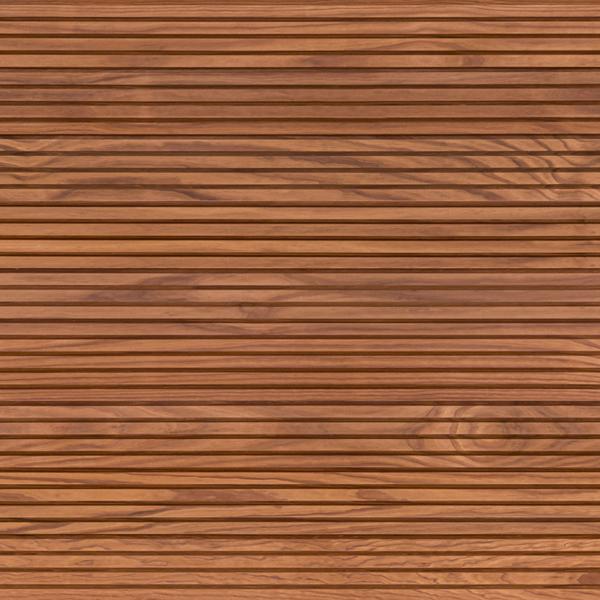
Thermory Ash is known for its rich brown tones, pronounced grain, and dense composition. It is a popular choice for high-end residential and commercial projects where the natural character of the timber plays a key role in the overall design. Its refined appearance makes it particularly well suited to contemporary facades and architectural features.
Thermory Pine
Thermory Pine offers a lighter, more versatile finish that works across a wide range of domestic projects. Thermal modification enhances its stability and durability, creating an attractive cladding option that balances performance and appearance.
Thermory Spruce
For a more contemporary look, Thermory Spruce is available in a variety of distinctive finishes, including the deep black Ignite and RAL9005 Vivid Opaque options, alongside the textured Stripes profile. These options create bold, modern facades with clean lines and striking visual contrast.
Thermory Radiata Pine
Thermory Radiata Pine combines warm natural colour with excellent dimensional stability, making it a dependable choice for exterior cladding. Suitable for both traditional and contemporary projects, it offers a staple choice for homeowners, designers, and contractors alike.
Thermo-Treated Bamboo
Our thermo-treated bamboo cladding provides a contemporary alternative to traditional timber. Manufactured from engineered bamboo, the Symphony range features distinctive linear profiles that create clean shadow effects and modern architectural detail.
Combining a consistent appearance with the benefits of thermal modification, it’s an excellent choice for feature walls, contemporary homes, and commercial developments where design is a priority.
Installation Considerations
- For the best results, thermo-treated cladding should be acclimatised on site before installation, allowing the timber to adjust to local temperature and humidity. This helps minimise movement once the boards are fitted.
- Cladding should be installed over a suitable batten system with a ventilated cavity behind the boards. Good airflow allows moisture to escape and supports the long-term performance of the timber.
- Always use stainless steel fixings, as these provide excellent corrosion resistance in external applications and help maintain a clean finish.
- Installation methods can vary depending on the timber species and profile selected, so it’s important to follow the manufacturer’s guidance throughout the project.
You’ll also find a range of cladding accessories, including fixings and installation products, to help complete your installation correctly.
Looking After Thermo-Treated Cladding
Thermo-treated cladding is a low-maintenance option, but like any natural timber, it benefits from occasional care.
- Clean the surface periodically with water and a soft brush to remove dirt, leaves, and other debris that can trap moisture.
- If left untreated, the timber will gradually develop a silver-grey patina as it weathers under UV exposure. This natural colour change affects the appearance rather than the performance of the cladding. If you prefer to maintain the original rich colour, a suitable exterior oil with UV protection can be applied and reapplied as required.
- Regular inspection and simple cleaning will help keep your cladding looking its best for years to come.
Compare Cladding Materials
| Cladding Material | Best For | Key Benefits |
| Thermo-Treated Timber | Contemporary homes, garden rooms, extensions, and commercial projects | Heat and steam modification improves stability and durability while retaining the natural appearance of timber. Available in a choice of species and profiles. |
| Softwood Cladding | Budget-conscious projects and traditional timber finishes | A cost-effective option available in a range of profiles. Pressure-treated softwood can provide reliable performance when correctly installed and maintained. |
| Hardwood Cladding | Projects where natural durability and character are a priority | Dense, durable timber with distinctive grain and colour variation. Available in species including oak, Ipe, Yellow Balau, and Cumaru. |
| Composite Cladding | Low-maintenance residential and commercial applications | A consistent finish that won’t rot and requires minimal upkeep, making it a practical alternative to natural timber. |
Upgrade to Thermo-Treated Cladding
Explore our full range of thermo-treated cladding, with options in ash, pine, spruce, radiata pine, and bamboo. If you’re comparing materials or need help selecting the right profile for your project, our team is on hand to offer straightforward advice.
Get a Quote
Frequently Asked Questions
Can thermo-treated cladding be installed vertically?
Yes. Many thermo-treated cladding profiles can be installed vertically or horizontally, depending on the product and the desired finish. Always follow the manufacturer's installation guidance for your chosen profile.
Does thermo-treated cladding need treating?
No. Thermo-treated cladding can be left untreated to weather naturally. Applying an exterior oil is optional and is typically done to help maintain the timber's original colour.
How is thermo-treated timber made?
The timber is heated to high temperatures in a carefully controlled environment using heat and steam. This reduces the wood's moisture absorption and improves its dimensional stability, making it better suited to outdoor use.
Is thermo-treated timber better than composite cladding?
Both materials have their advantages. Thermo-treated timber offers the natural appearance and character of real wood, while composite cladding is a low-maintenance alternative with a consistent finish. The right choice depends on your design preferences, maintenance expectations, and budget.
Is thermo-treated timber chemically treated?
No. The thermo-treatment process uses only heat and steam. No chemical preservatives are added, making it an environmentally responsible way to improve the timber's performance.
Is thermo-treated timber suitable for UK weather?
Yes. Its improved stability and reduced moisture absorption make thermo-treated timber well suited to the changing weather conditions experienced across the UK. Correct installation and ventilation remain essential for long-term performance.
What’s the difference between thermo-treated and untreated timber?
Thermo-treated timber has greater dimensional stability and improved resistance to moisture and decay than untreated timber. It is less prone to excessive shrinking, swelling, and warping, making it a popular choice for external cladding.
What’s the difference between thermo-treated softwood and hardwood?
Both benefit from the thermo-treatment process, but they retain the characteristics of their original species. Thermo-treated softwood cladding is often a more economical choice, while thermo-treated hardwood cladding typically offers greater density and distinctive natural grain.
Will thermo-treated cladding turn grey?
Yes. Like most natural timber, thermo-treated cladding will gradually develop a silver-grey patina when exposed to UV light. This natural weathering affects the appearance rather than the performance of the timber.
Get a Quote
Looking for advice or would like a quote? Fill out our quick form below and we’ll get back to you by the end of the next working day.

