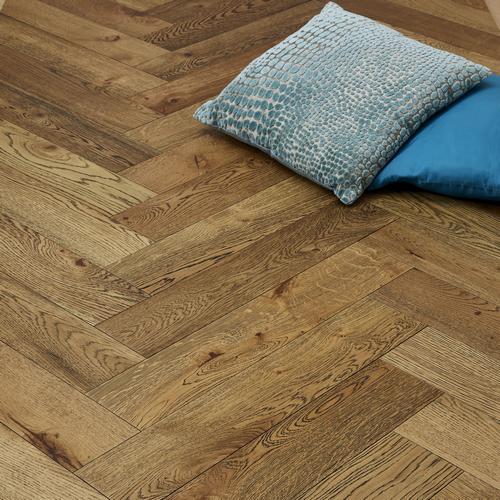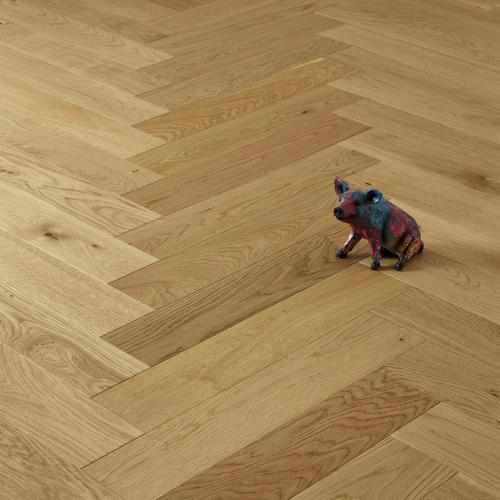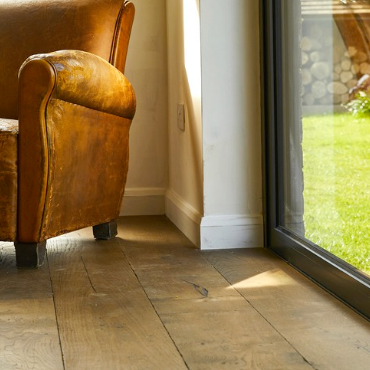

ROUND WOOD Solid Oak flooring - Character grade, Smooth, Untreated - 205 x 21mm
Product Code: F-000247
We believe in the power of premium materials to transform spaces, inside and out.

We strive to deliver your products as promptly as possible, so you can start enjoying them right away.

Our customers are at the heart of everything we do. That’s why we are proud to showcase our Trustpilot reviews.

Shopping with us is straightforward and stress-free. Our dedicated team is just a call or email away if you need assistance.
Product Details
- Solid oak flooring in Character grade, smooth and untreated finish
- Board dimensions: 205 mm width x 21 mm thickness (6 mm wear layer) x 1000 mm length
- Pack size covers approximately 0.205 m² per pack
- Tongue and groove design for easy installation
- Some filling and sanding required to achieve a perfect finish
- Flooring must acclimatize in the installation environment for at least 2 weeks before laying
- Recommended expansion gap of 10-15 mm to allow for natural wood movement
- Screed installation requires sufficient drying time prior to laying
- Use of a damp proof membrane may be necessary depending on subfloor conditions
Description
Traditionally crafted *in-house , this solid oak flooring boards are supplied unfinished, allowing you to apply oil, lacquer, waxes and stains to your precise requirements"
Delivery
Solid oak flooring is a premium product that we handle with the utmost care during delivery. Once machined to order, flooring may be shipped via a trusted courier or delivered by our fleet, depending on the size and weight of your purchase. Please note that heavier orders may require assistance for unloading on-site. Delivery charges are calculated based on location and order dimensions. For more details, please refer to our Delivery Terms & Conditions.
Installation
Installation Guide for Solid Oak Flooring
Introduction
Solid oak flooring is a premium choice that offers timeless beauty and durability. Unlike engineered wood, solid oak can be sanded and refinished multiple times, making it a long-term investment. Proper installation is crucial to prevent warping, gaps, and uneven surfaces.
Tools & Materials Needed
- Solid oak floorboards
- Moisture barrier or underlay
- Nails or flooring staples
- Flooring adhesive (optional for glue-down)
- Hammer or nail gun
- Saw
- Spirit level
- Tape measure
- Spacers
- Protective finish (oil or lacquer)
Step-by-Step Installation
1. Prepare the Subfloor
- Ensure the subfloor is clean, dry, and level.
- Check moisture levels; solid oak is sensitive to humidity.
- Install a moisture barrier if laying over concrete.
2. Acclimate the Oak Boards
- Store boards in the installation room for 7–10 days to adjust to temperature and humidity.
3. Plan the Layout
- Start from the longest wall or the most visible area.
- Stagger joints for a natural look.
- Leave a 10–15 mm expansion gap around walls.
4. Install the Boards
- Nail-Down Method (most common):
- Secure boards to wooden subfloor using nails or staples at a 45° angle through the tongue.
- Glue-Down Method (for concrete subfloors):
- Apply adhesive evenly and press boards firmly.
- Check alignment regularly with a spirit level.
5. Finishing Touches
- Install skirting boards or beading to cover expansion gaps.
- Sand if necessary and apply protective finish (oil, lacquer, or varnish).
Maintenance Tips
- Sweep or vacuum regularly.
- Wipe spills immediately.
- Refinish every few years to maintain appearance.
Pros & Cons vs Engineered Flooring
Pros
- Can be sanded and refinished multiple times.
- Adds significant value to property.
- Extremely durable and long-lasting.
Cons
- More expensive than engineered wood.
- Sensitive to humidity and temperature changes.
- Longer acclimation and installation time.
Care & Maintenance
Care & Maintenance Guide for Solid Oak Flooring
Introduction
Solid oak flooring is a premium investment that can last for decades with proper care. This guide covers essential cleaning, protection, and long-term maintenance tips to keep your oak floors looking beautiful.
1. Daily & Weekly Cleaning
- Sweep or Vacuum Daily
Use a soft-bristle broom or a vacuum with a hardwood floor attachment to remove dust and grit. - Damp Mop Weekly
Use a microfiber mop lightly dampened with water or a pH-neutral wood floor cleaner.
Avoid excess water—solid oak is highly sensitive to moisture.
2. Prevent Surface Damage
- Use Rugs and Mats
Place mats at entrances and rugs in high-traffic areas. - Furniture Protection
Fit felt pads under chair and table legs to prevent scratches. - Avoid High Heels & Pet Nails
These can dent or scratch the surface.
3. Environmental Control
- Humidity
Maintain indoor humidity between 40–60% to prevent expansion or contraction. - Temperature Stability
Avoid extreme temperature changes.
4. Spill & Stain Management
- Spills
Wipe immediately with a dry or slightly damp cloth. - Stains
Use manufacturer-approved cleaners; never use abrasive pads or harsh chemicals.
5. Long-Term Care
- Refinishing
Solid oak can be sanded and refinished multiple times. Consider refinishing every 7–10 years or when the surface looks worn. - Protective Finish
Reapply oil, lacquer, or varnish as needed to maintain protection and appearance.
Extra Tips
- Avoid steam cleaners—they introduce too much moisture.
- Do not use wax-based products unless recommended by the manufacturer.
Pros & Cons vs Engineered Wood
Pros
- Can be sanded and refinished multiple times.
- Extremely durable and long-lasting.
- Adds significant property value.
Cons
- More sensitive to humidity changes.
- Requires more maintenance than engineered wood.
- Higher initial cost.