
Timber Flooring Guide – Choosing the Right Floor for Your Home
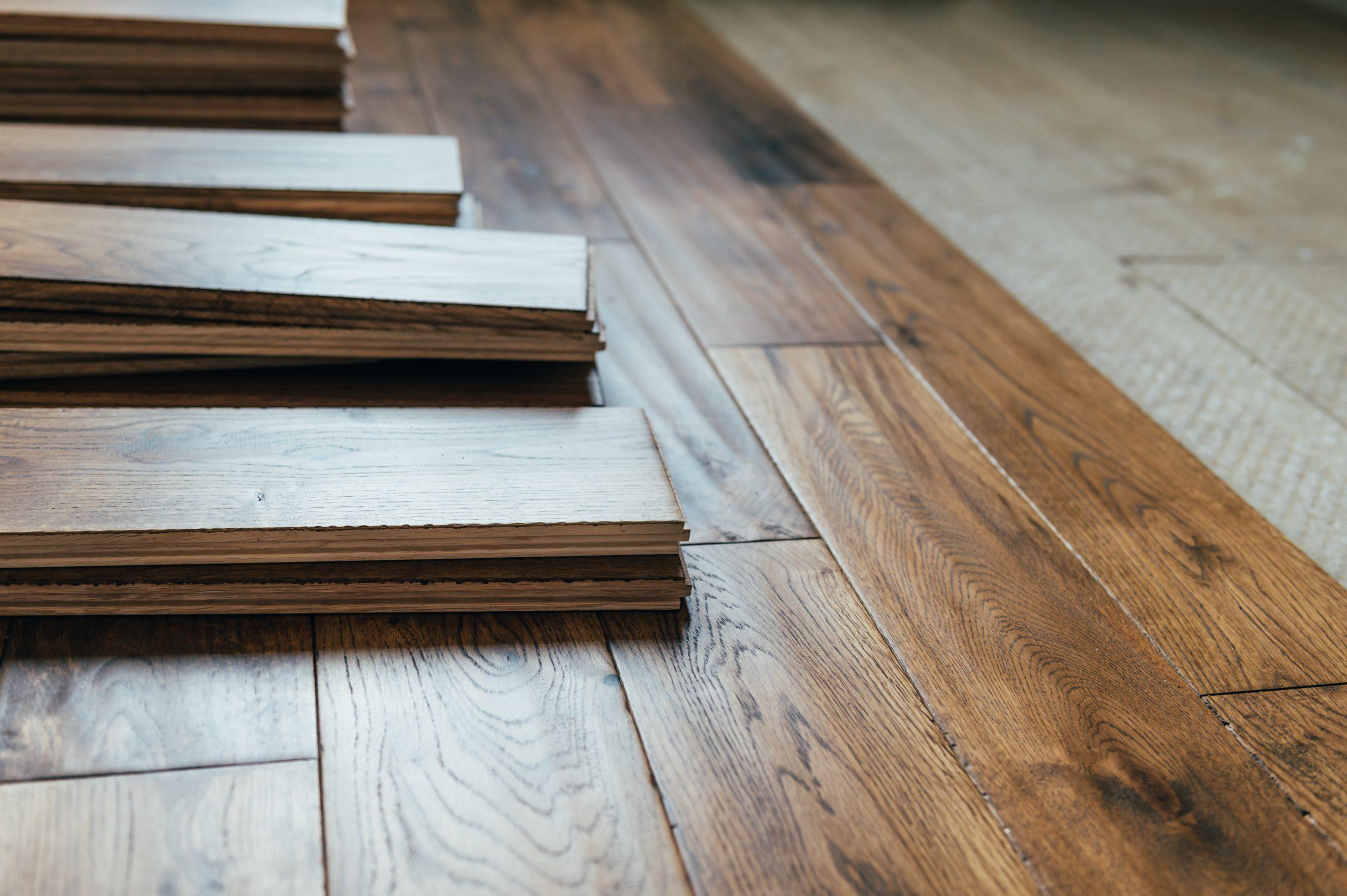
Timber flooring is one of the few materials that genuinely improves with age, developing character as it becomes part of a home. Choosing the right floor, however, involves more than deciding on a colour or board style. Construction, finish, and where it will be installed all influence long-term performance.
In this guide, we’ll explain the key considerations and help you compare solid oak and engineered flooring, so you can choose the right option for your project.
BROWSE OUR TIMBER FLOORING RIGHT AWAY
Why Choose Timber Flooring?
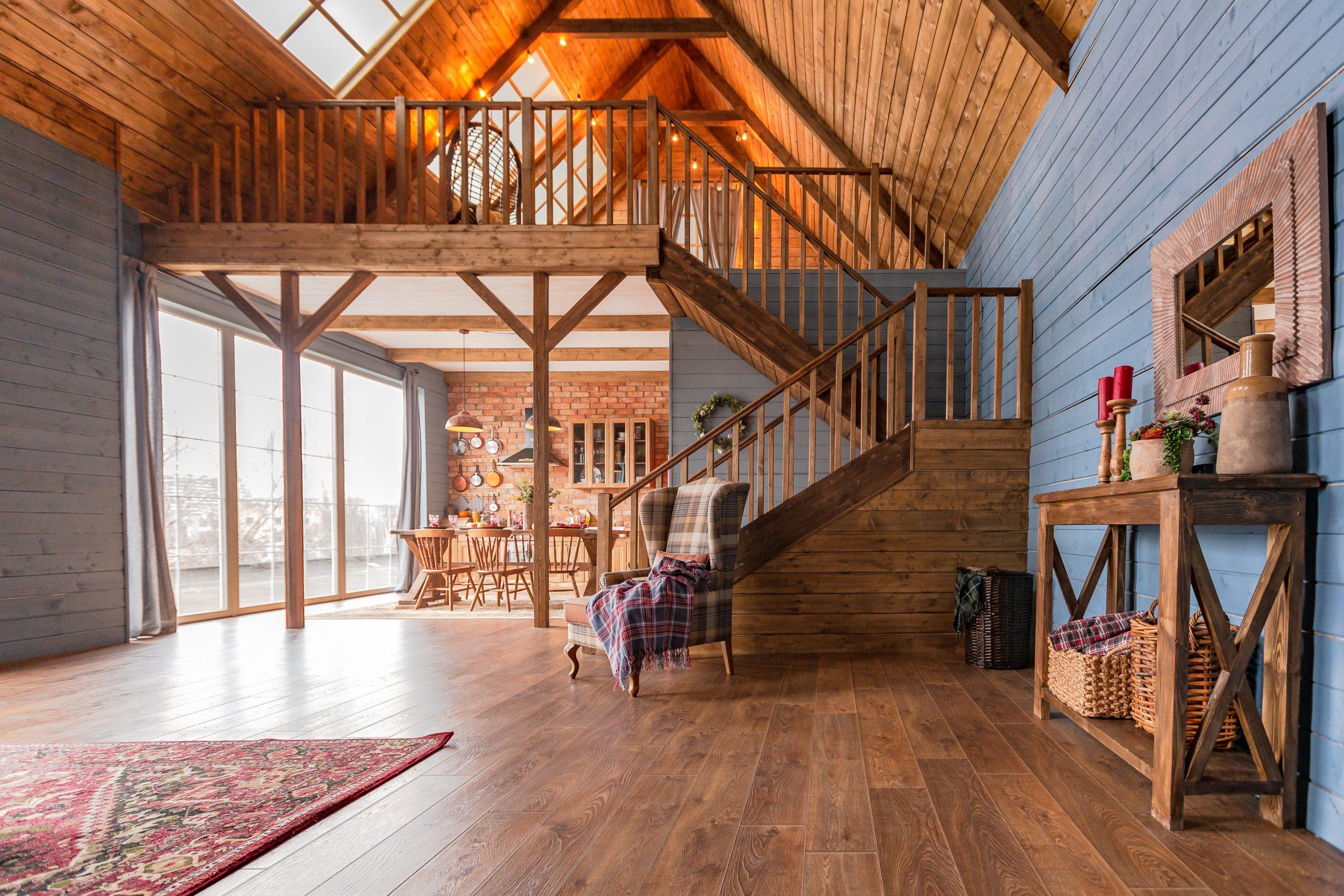
Timber flooring has remained a popular choice for generations. The reason being, unlike many manufactured alternatives, real wood can often be repaired, refinished, and enjoyed for decades when properly cared for. As it ages, the grain and colour develop naturally, giving each floor its own identity.
From period cottages to contemporary extensions, timber flooring sits comfortably in a wide range of interiors. With different species and grades available, it’s possible to create a floor that suits both the style of your home and the way you want to live in it.
Solid or Engineered Flooring – Which Is Right for Your Project?
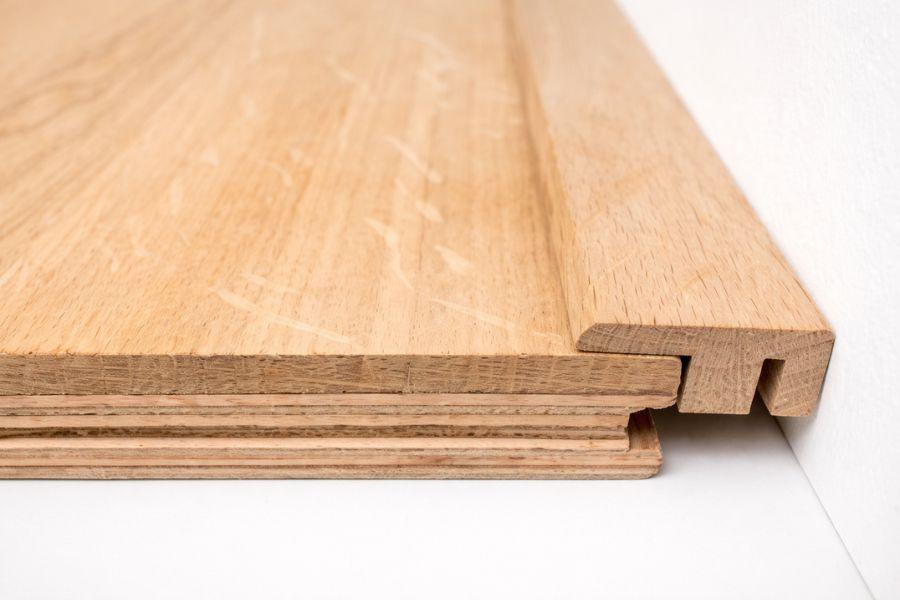
The first decision is whether solid or engineered timber flooring is the better fit for your home. Both use genuine timber and offer a similar appearance once installed, but their construction affects how they perform.
| Solid Oak Flooring | Engineered Flooring |
| Single piece of solid timber | Real timber wear layer on a multi-ply core |
| Suitable for dry, stable environments | Better suited to changing temperatures and humidity |
| Not generally recommended for underfloor heating | Suitable for most warm water underfloor heating systems |
| Can be refinished multiple times | Can usually be refinished, depending on the wear layer |
| Bonded to a subfloor or secret nailed to joists | Can be floated, bonded, or secret nailed, depending on board thickness |
Both options provide the look and feel of real timber. The right choice depends on how the space will be used, the type of subfloor within it, and whether underfloor heating forms part of the project.
BROWSE OUR ENGINEERED FLOORING BROWSE SOLID FLOORING
Choosing Flooring for Different Rooms
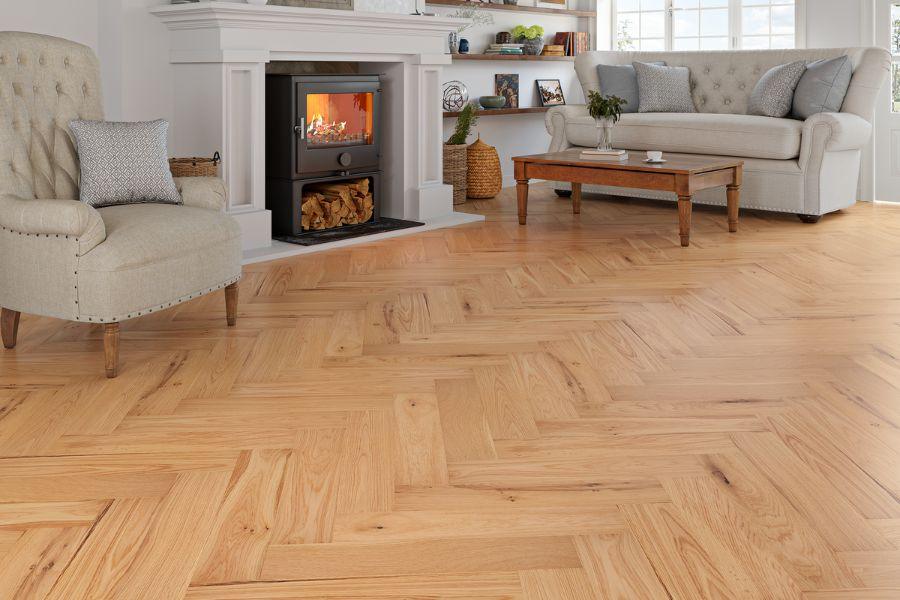
Factors such as foot traffic, moisture levels, temperature changes, and underfloor heating all influence which option will be most suitable for your property.
- Living rooms – An ever-changing space where both solid and engineered timber flooring can work well. The choice often comes down to the age of the property and subfloor type, as well as the presence of underfloor heating.
- Kitchens – Regular temperature changes, higher humidity, and the occasional spill make stability an important consideration. Choosing a suitable finish also helps protect the surface from everyday wear.
- Hallways – As one of the busiest areas of the home, hallways benefit from durable finishes that stand up to muddy shoes and frequent foot traffic.
- Bedrooms – Generally one of the least demanding environments, giving you greater flexibility in both construction and finish while allowing the natural timber to take centre stage.
- Bathrooms – Timber flooring can sometimes be used in well-ventilated bathrooms, but prolonged exposure to moisture means it isn’t usually the first choice. Careful detailing and ongoing maintenance are essential where it is specified.
- Home offices – A stable indoor environment makes this an excellent setting for timber flooring, creating a comfortable workspace with an understated appearance.
- Open-plan spaces – Floors spanning kitchens, dining areas, and living spaces need to cope with changing conditions while maintaining a consistent look throughout.
Thinking about how each room is used before choosing your flooring will help you balance its look and overall performance over the decades.
Styles, Finishes & Formats for Timber Flooring
Understanding Timber Flooring Grades
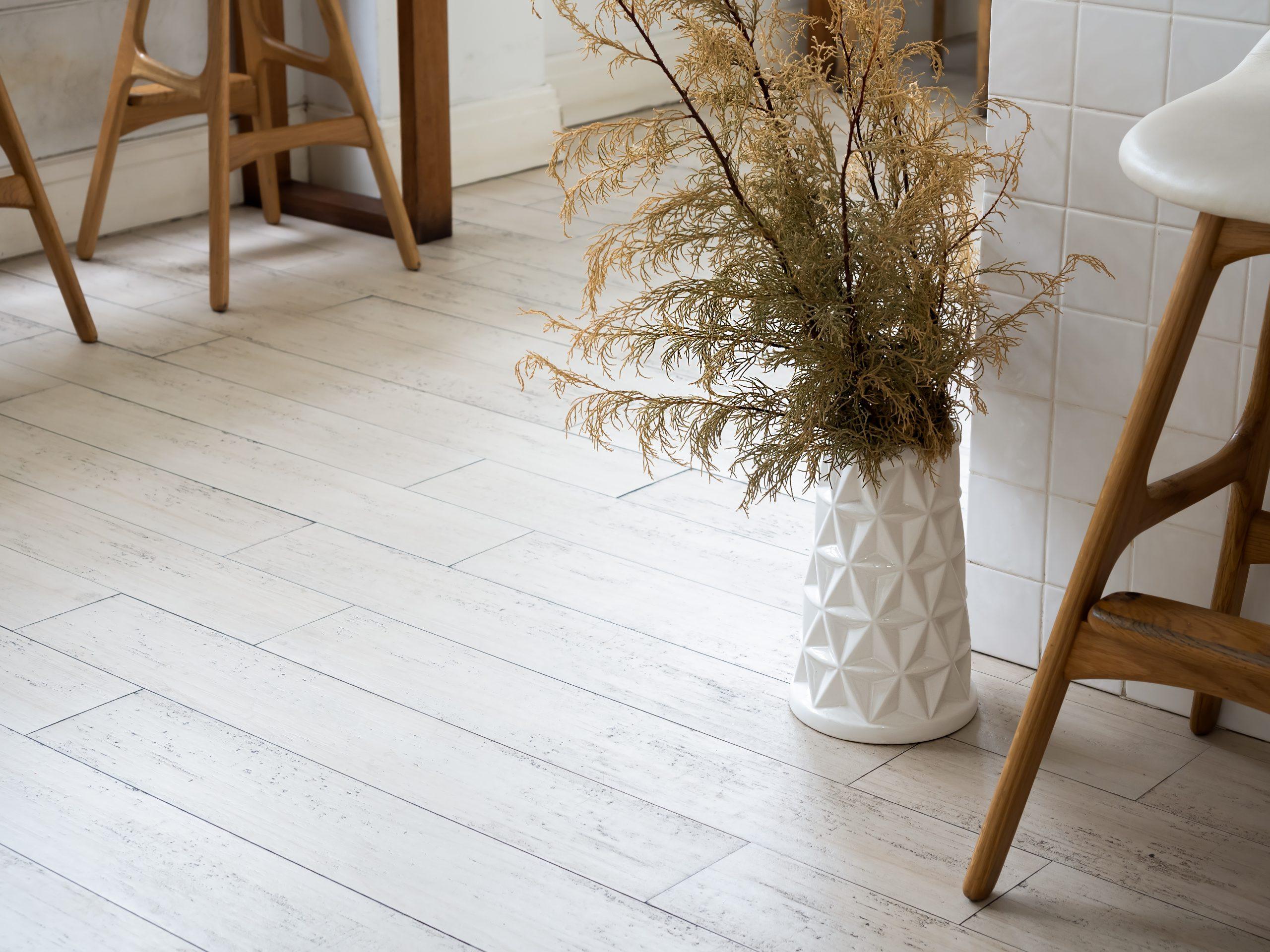
Timber flooring grades describe the natural appearance of the wood rather than its structural makeup. Every board is genuine timber, but each grade offers a different combination of grain and colour variance.
| Grade | Appearance | Best Suited To |
| Prime | Clean and consistent, with minimal knots and colour variation | Contemporary interiors and more formal spaces |
| Character | A balanced mix of natural grain and smaller knots | Homes that suit a traditional look without appearing overly rustic |
| Rustic | More pronounced knots, grain variation, and natural features | Barn conversions, country homes, or projects where the character of the timber is intended to stand out |
There isn’t a ‘better’ grade in terms of quality. The right choice comes down to the style you’re trying to achieve and how much natural variation you want to see once the floor is laid.
Plank, Wide Plank, or Herringbone?
The way your flooring is laid has a significant influence on the finished room. While the timber itself remains the same, different board formats create very different visual effects.
- Traditional planks offer that classic and truly timeless appearance that works comfortably in almost any property, from period homes to contemporary extensions.
- Wide plank flooring places greater emphasis on the natural grain of the timber, creating a settled and more spacious feel with fewer visible joints. It’s a popular one for larger rooms and open-plan layouts where the floor becomes a defining feature.
- Herringbone introduces a more decorative pattern, bringing movement and detail to the floor. Often associated with traditional parquet, it also works well in modern interiors, adding interest without overwhelming the space. Hallways, dining rooms, and larger living areas are particularly well-suited to this style.
Whichever format you choose, it’s worth considering the proportions of the room, the amount of natural light, and the overall character you’re hoping to achieve.
Choosing the Right Finish
The finish you choose affects both the appearance of your floor and how it will be maintained over time.
- Oiled floors bring out the natural character of the timber and can usually be repaired or refreshed in localised areas without treating the entire floor.
- Lacquered floors create a more sealed surface that stands up well to everyday wear and typically requires less routine maintenance.
- Unfinished boards give you complete control over the final look, allowing them to be finished on site to suit your project.
There isn’t a single finish that’s right for every home. The best choice depends on how the room will be used, the level of maintenance you’re comfortable with, and the look you’re hoping to achieve.
If you’d like to explore any of the above elements in more detail, our Homeowner’s Guide to Timber Flooring Styles, Finishes & Formats provides a closer look at the options available.
What Affects the Cost of Timber Flooring?
Factors such as the timber species, whether you choose solid or engineered construction, the grade, board width, and factory-applied finish all influence the final price. Installation requirements also play a part, particularly if the subfloor needs preparation or specialist adhesives, primers, or underlays are required.
Looking at the whole project rather than the cost per square metre alone will give you a more accurate picture of your investment.
Our team can help you choose flooring that suits both your home and your budget, while ensuring you have the right accessories for a successful installation.
Installation – Getting the Best Results
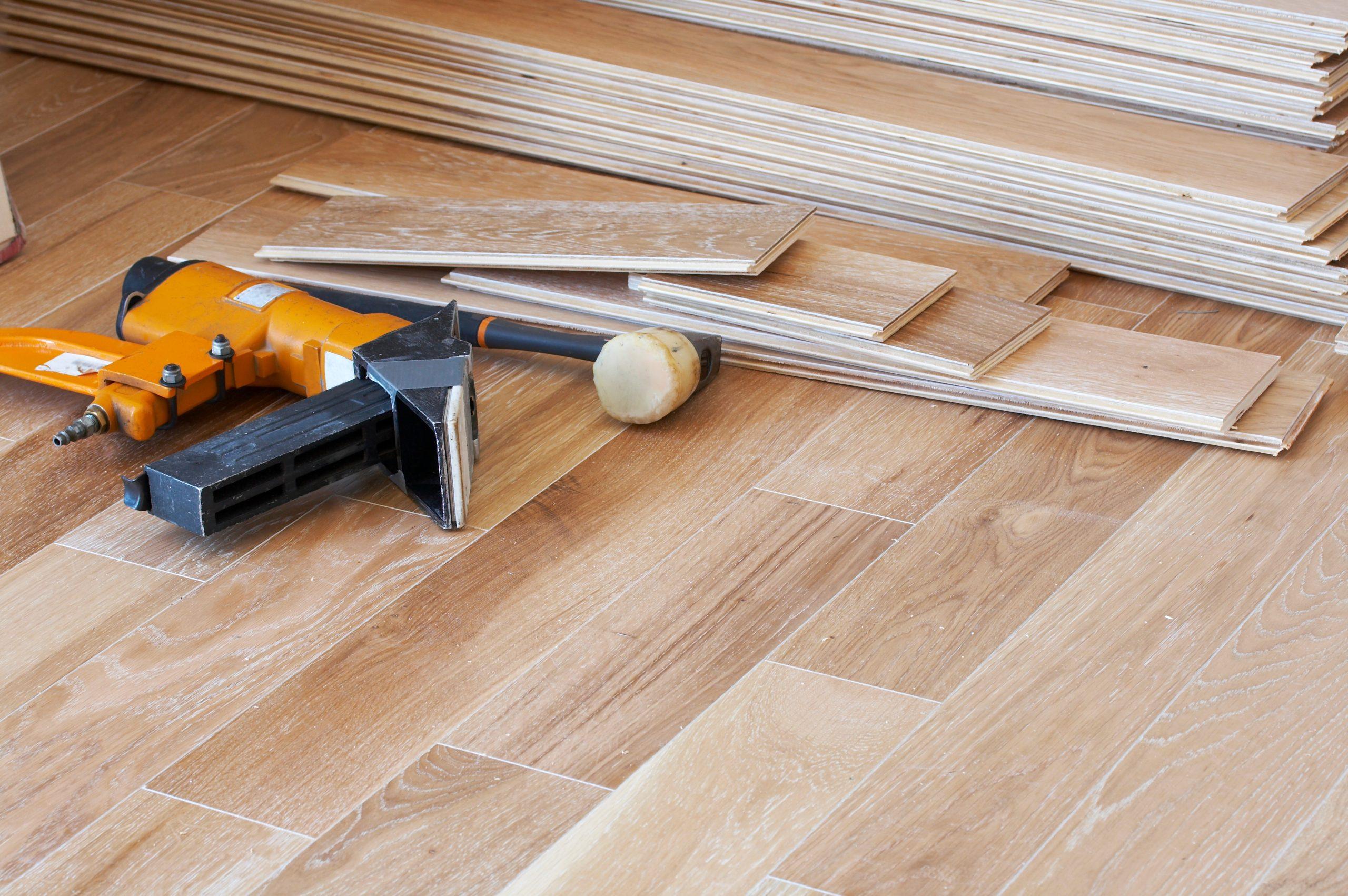
Even the highest-quality timber flooring relies on good installation to perform as intended. Before fitting begins, the subfloor should be level and dry, with moisture levels checked to reduce the risk of movement later on. Solid oak also needs time to acclimatise to its new environment before it is laid.
The right fitting method will depend on the flooring you’ve chosen. Some engineered boards can be floated over a suitable underlay, while others are bonded directly to the subfloor using specialist adhesives.
Choosing the correct primers, damp-proof membranes, and finishing products is just as important. If you’re unsure, it’s worth seeking professional advice to ensure your floor stands up to the years ahead.
Looking After Your Timber Floor
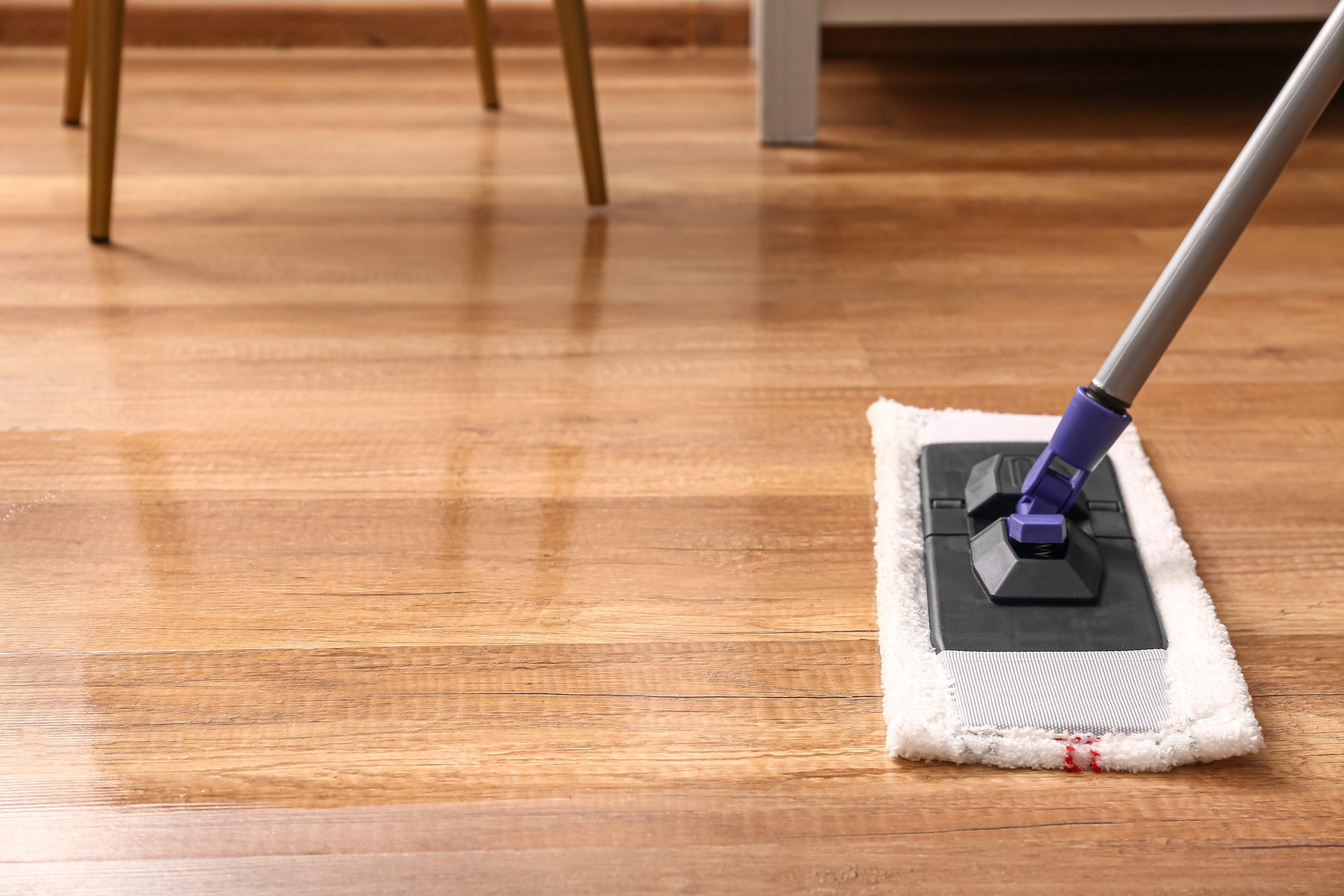
Regular sweeping or hoovering will help to remove grit that could mark the surface, while a damp mop and a cleaner designed for timber flooring are usually all that’s needed for routine cleaning.
Over time, oiled floors may benefit from a maintenance coat to refresh their appearance and maintain protection. Both solid and many engineered boards can also be refinished if signs of wear begin to appear, helping extend their lifespan without replacing the floor.
Why Choose Round Wood Flooring?

From solid oak boards produced in-house to carefully selected engineered flooring, every range is chosen for its quality and how reliably it performs. Our team has decades of experience working with timber and can offer advice to help you choose the right flooring for your renovation.
Free samples also make it easier to compare grades and finishes at home, and with reliable nationwide delivery, we can supply homes and projects across the UK.
BROWSE OUR TIMBER FLOORING ORDER SOME FREE SAMPLES
Frequently Asked Questions
Is timber flooring better than laminate?
Timber flooring is made from genuine wood, giving it a natural appearance that can often be repaired or refinished. Laminate is generally lower maintenance, but it cannot usually be restored in the same way.
Does timber flooring add value to a house?
A well-installed timber floor is often viewed as a desirable feature and can certainly boost the appeal of a property to future buyers.
How long does timber flooring last?
With proper installation and routine maintenance, timber flooring can last for decades. Solid oak can often be refinished multiple times during its lifetime.
Can timber flooring be repaired?
Yes. Minor scratches and signs of wear can often be repaired, while more extensive damage may be resolved by replacing individual boards.
Does timber flooring scratch easily?
Like any natural material, timber can mark over time. Choosing an appropriate finish and using furniture protectors helps reduce everyday wear.
Can I install timber flooring myself?
Some experienced DIYers choose to fit timber flooring, but professional installation helps ensure the subfloor is properly prepared, and the boards perform as intended.
Is timber flooring suitable for homes with pets?
Yes. Choosing a durable finish, keeping claws trimmed, and cleaning up spills promptly will help keep the floor looking its best.
How much extra flooring should I order?
Allowing around 10% above your measured floor area usually provides enough for cuts, offcuts, and fitting.
What is the difference between oak and walnut flooring?
Oak offers a lighter appearance with pronounced grain, while walnut is naturally darker and creates a richer, more formal look.
Does timber flooring fade in sunlight?
Natural timber will gradually change colour as it ages and is exposed to sunlight. This is part of the character of a real wood floor.
Can timber flooring be installed upstairs?
Yes. Timber flooring is suitable for both ground and upper floors, provided the subfloor is suitable, and the correct installation method is used.
How long before furniture can be moved back onto a new floor?
This depends on the installation method and any adhesives or finishes used. Your installer should advise when the floor is ready for normal use.
Get a Quote
Looking for advice or have a question? Fill out our quick form below and we'll put you in touch with the right person in our team! We'll get back to you by the end of the next working day.

