
The Complete Guide to Timber Decking
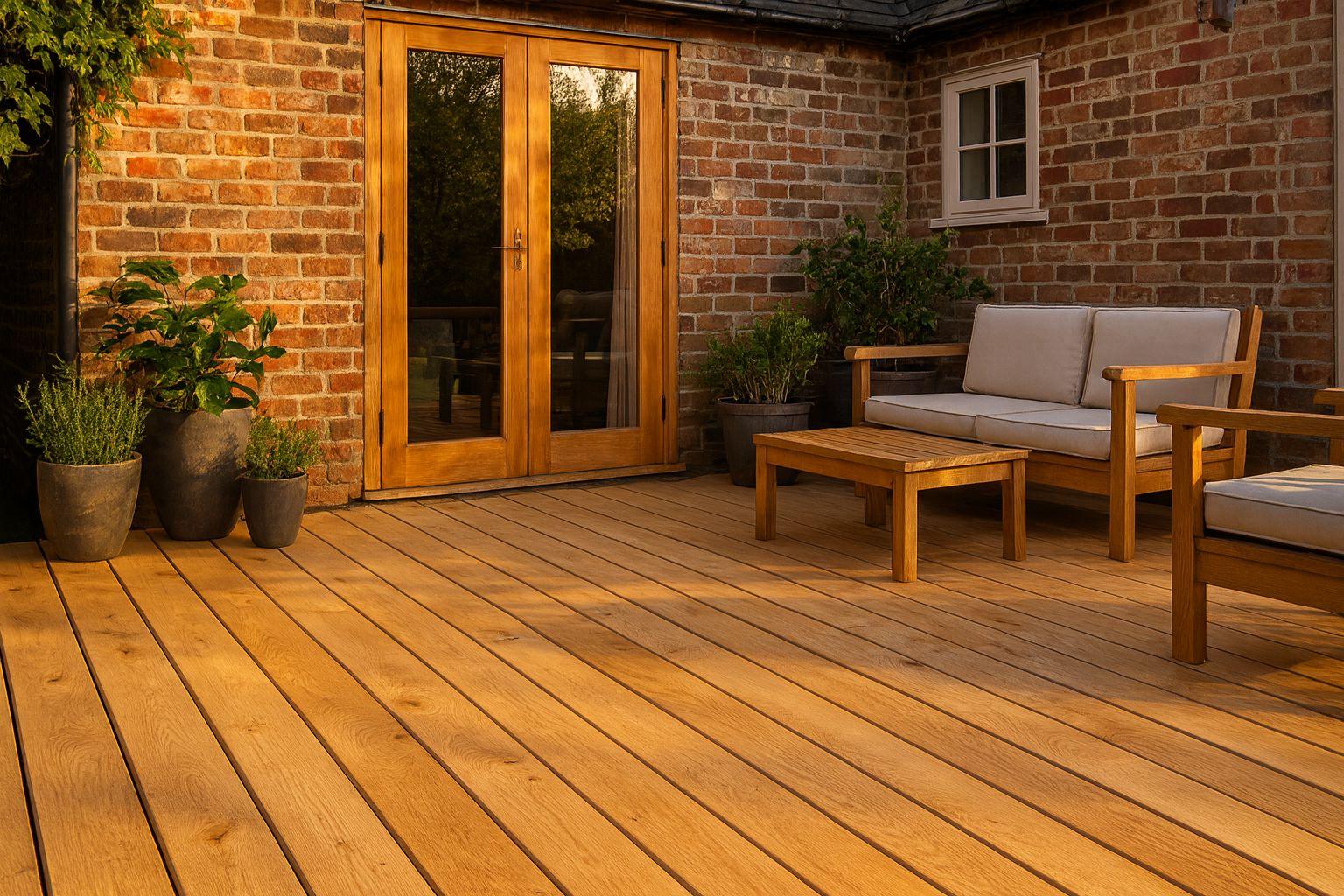
Timber decking remains one of the most popular ways to create a usable and attractive outdoor space. But whether you’re updating a garden, adding a roof terrace, or specifying materials for a larger landscaping project, choosing the right decking is just as important as the design itself.
This guide explains the different decking materials available, what to consider before you buy, typical costs, installation, maintenance, and how to select the best option for your project.
BROWSE OUR TIMBER DECKING RIGHT AWAY
Why Choose Timber Decking?
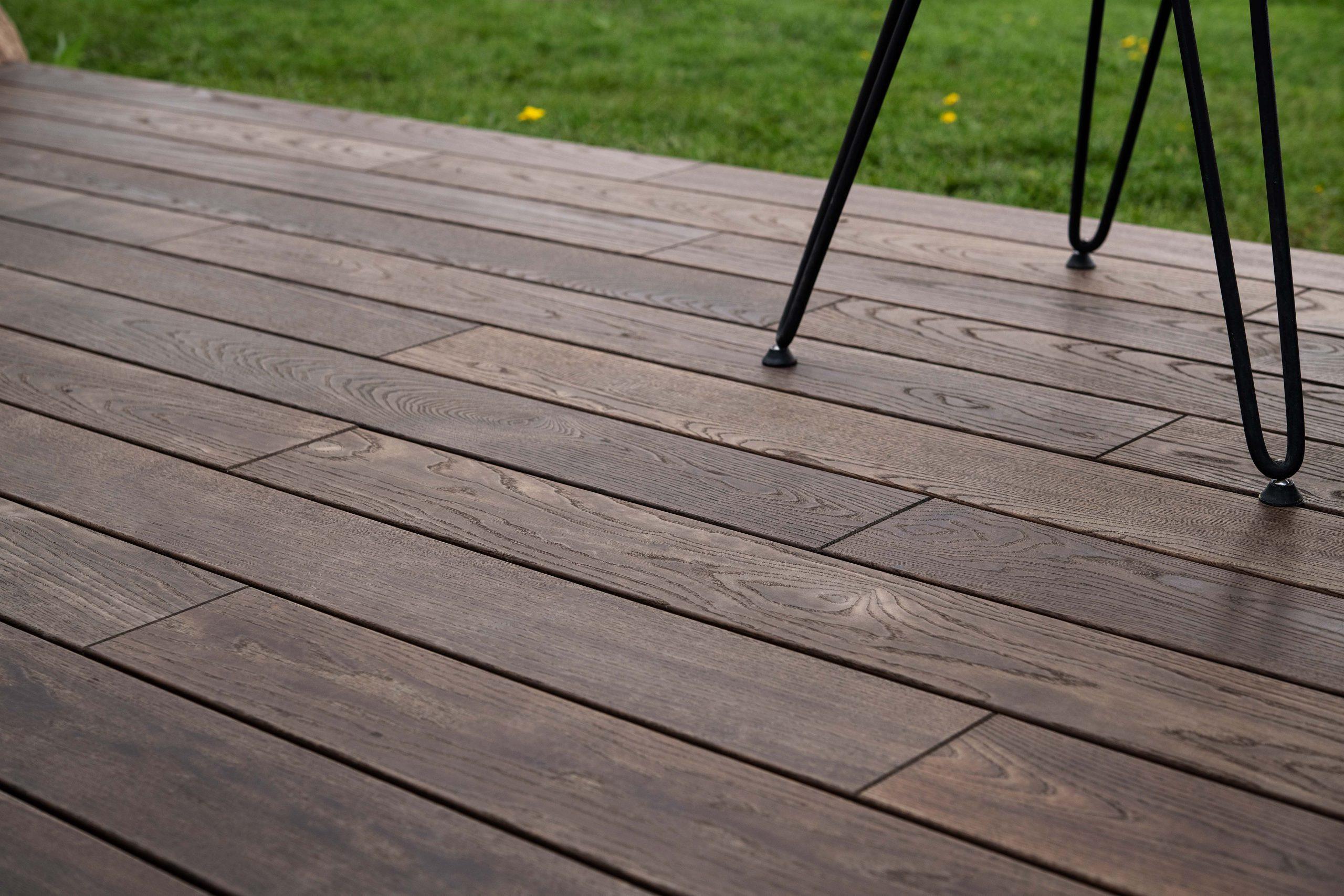
Timber decking is a fantastic way to extend your living space outdoors, creating areas for dining, relaxing, entertaining, or simply making better use of your garden. It’s equally suited to domestic and commercial projects, from ground-level patios and raised decks to roof terraces, balconies, pool surrounds, and outdoor hospitality spaces.
One of timber’s biggest advantages is its natural character. Unlike concrete or porcelain, timber brings warmth and texture that develops over time, helping outdoor spaces feel more connected to their surroundings. It’s also incredibly versatile, with a wide choice of species, colours, board profiles, and finishes to suit both contemporary and traditional designs.
When properly specified and installed, quality timber decking offers excellent longevity. Individual boards can often be repaired or replaced if damaged, making it a practical long-term investment. Many timber species also weather beautifully, while responsibly sourced timber remains a renewable material choice for outdoor projects.
Timber Decking Compared
| Feature | Timber Decking | Porcelain Paving | Composite Decking |
| Appearance | Natural grain and character that develops over time | Uniform, contemporary finish | Consistent wood-effect appearance |
| Maintenance | Can be left to weather naturally or treated with decking oils | Low maintenance | Generally low maintenance |
| Repairs | Individual boards can often be repaired or replaced | Damaged slabs are more difficult to replace | Individual boards can usually be replaced |
| Design flexibility | Suitable for gardens, raised decks, balconies and roof terraces | Best suited to solid, level surfaces | Suitable for many of the same applications as timber |
| Material | Natural timber | Manufactured stone or porcelain | Manufactured composite material |
Types of Timber Decking
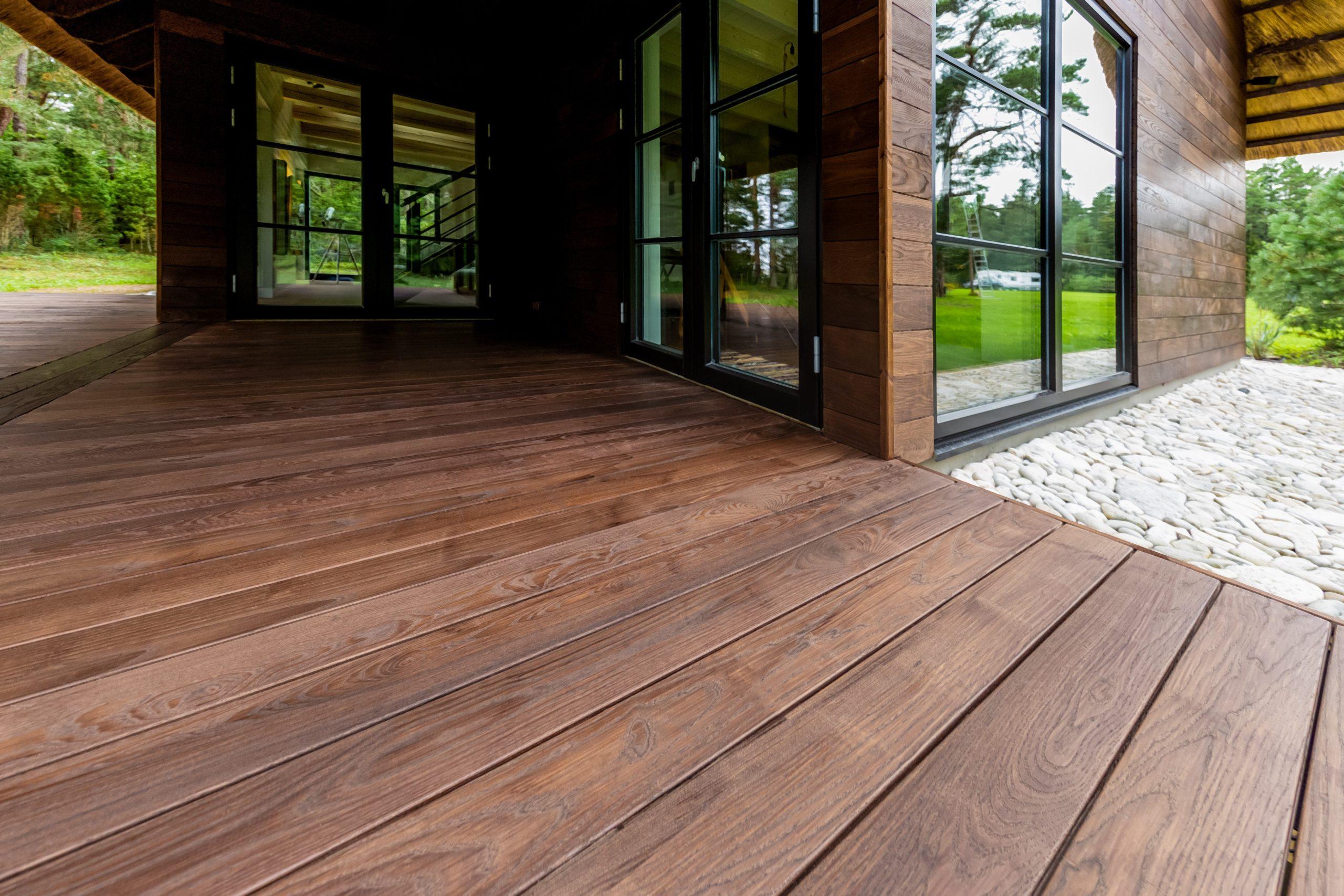
Timber decking is available in a range of materials, each offering different characteristics. The right choice depends on your project.
| Material | Best suited to | Examples |
| Hardwood | Long-term performance and natural durability | Oak, Ipe, Cumaru, Yellow Balau, Angelim |
| Softwood | Lighter appearance and selected external applications | Cedar, European Larch |
| Thermally modified timber | Projects where improved stability is important | Thermory® Ash, Thermory® Pine |
| Composite | Low-maintenance outdoor spaces | Fiberdeck® |
Hardwood Decking
Hardwood decking includes some of the world’s most durable timber species. Their high density and natural resistance to decay have made them a popular choice for everything from domestic gardens to public spaces and commercial developments.
Some hardwoods have long been established in British construction. Oak, for example, has been used for centuries because of its strength and lasting character. Alongside it sit tropical species such as Ipe, Cumaru, Yellow Balau, and Angelim, each originating from different parts of South America or South East Asia and valued for slightly different reasons.
- Ipe has earned the nickname ‘Ironwood’ because of its exceptional density
- Cumaru is recognised for its rich colour variation and durability
- Balau has become a familiar choice for landscaping projects
- And Angelim offers a lighter alternative with its own distinctive grain
Although they’re often grouped together as hardwood decking, these timbers differ considerably in colour, texture, hardness, and weathering characteristics. Understanding those differences is often more useful than simply comparing prices.
Softwood Decking
Not all softwoods are created equal. While many low-cost decking boards are produced from pressure-treated softwood, some species have developed strong reputations because of their own natural properties.
Western Red Cedar, which originates from North America, contains naturally occurring oils that help protect the timber against decay. Its pale, even colouring and relatively lightweight nature have made it a popular material in contemporary landscaping and architectural design.
European Larch is another species widely used outdoors. Growing more slowly than many commercial softwoods, it develops a dense structure and high resin content, making it well suited to external applications while retaining the lighter appearance many homeowners look for.
Thermally Modified Timber
Thermally modified timber isn’t a separate timber species, but a manufacturing process. Boards are heated to extremely high temperatures using only heat and steam, permanently changing the structure of the wood without introducing chemical preservatives.
The result is timber with improved dimensional stability and greater resistance to moisture movement, making it ideal for external environments. We supply Thermory® Ash and Thermory® Pine, two products that combine the appearance of natural timber with improved performance.
Composite Decking
Composite decking was developed as an alternative to traditional timber, combining wood fibres with recycled plastics to produce boards with a consistent appearance and reduced maintenance requirements.
Unlike natural timber, composite boards don’t contain knots, grain variation, or natural colour differences. Manufacturers instead recreate the look and texture of wood through moulded surface patterns, giving a more uniform finish across the deck. Products such as Fiberdeck® have become a popular choice for homeowners looking for a contemporary appearance without the need for regular oiling.
While composite and timber share many of the same applications, they perform differently over time, making it worth understanding the advantages and compromises of each before making a decision.
Choosing the Right Decking Material
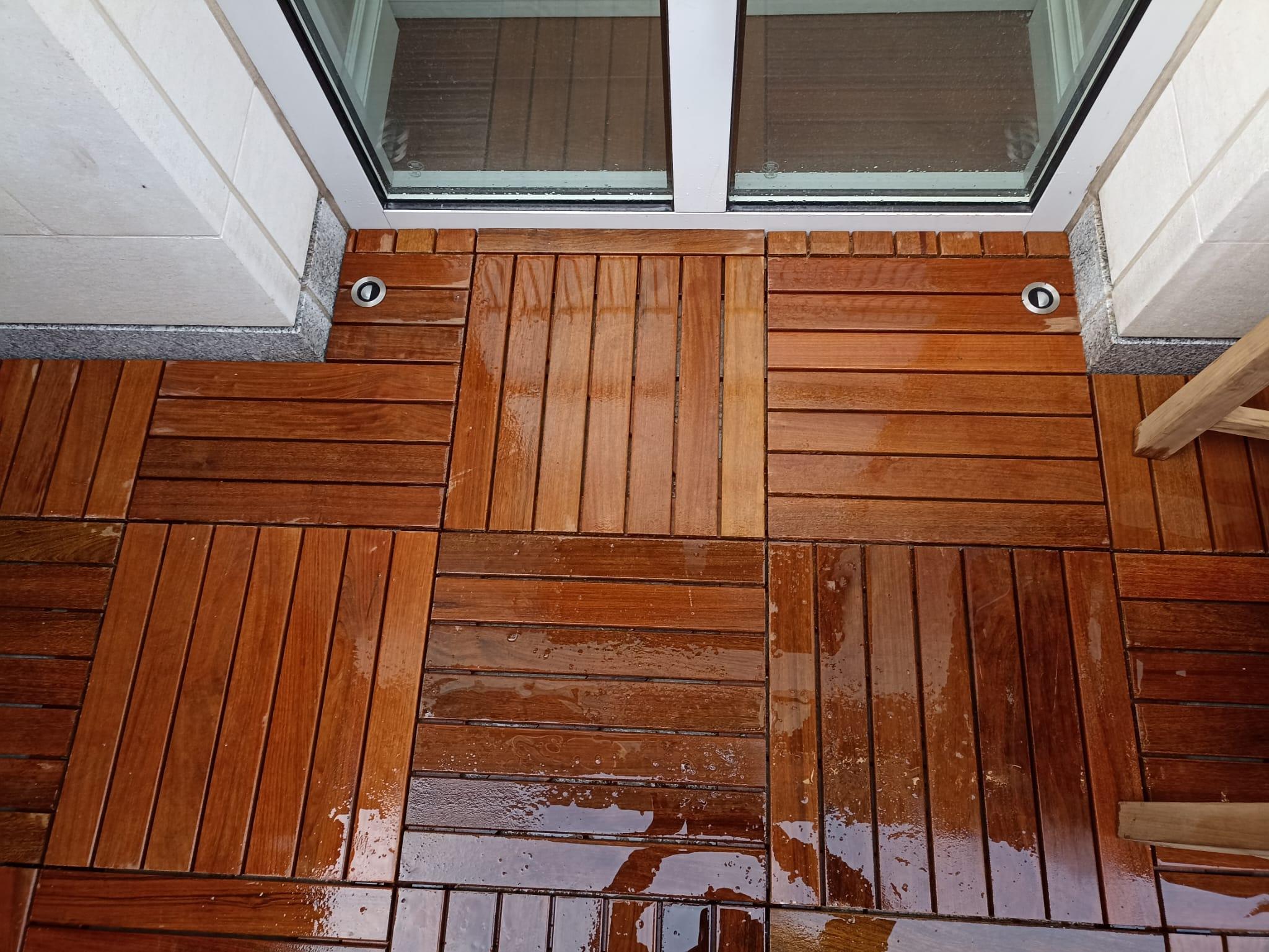
There’s no single ‘best’ decking material. The right choice depends on how the space will be used, the look you’re trying to achieve, and how much maintenance you’re happy to take on. A deck that’s perfect for a busy family garden may not be the best fit for a coastal property or a commercial terrace.
Before comparing individual products, think about what matters most to your project.
| If your priority is… | Consider… |
| Keeping within a budget | Softwood decking or selected hardwood species |
| A contemporary appearance | Thermally modified timber or composite decking |
| A more traditional look | Oak or other natural hardwoods |
| Minimal ongoing maintenance | Composite decking |
| A busy family garden | Durable hardwoods or composite decking |
| A coastal or exposed location | Naturally durable hardwoods* |
| Heavy foot traffic | Dense hardwood species such as Ipe or Cumaru |
| Maximum longevity | Hardwood decking |
| A lighter timber colour | Oak, Cedar, or Angelim |
| Richer, darker tones | Ipe, Cumaru, or Yellow Balau |
*Material choice is only one factor in coastal environments. Design, installation, and ongoing maintenance also influence long-term performance.
Decking Board Profiles Explained
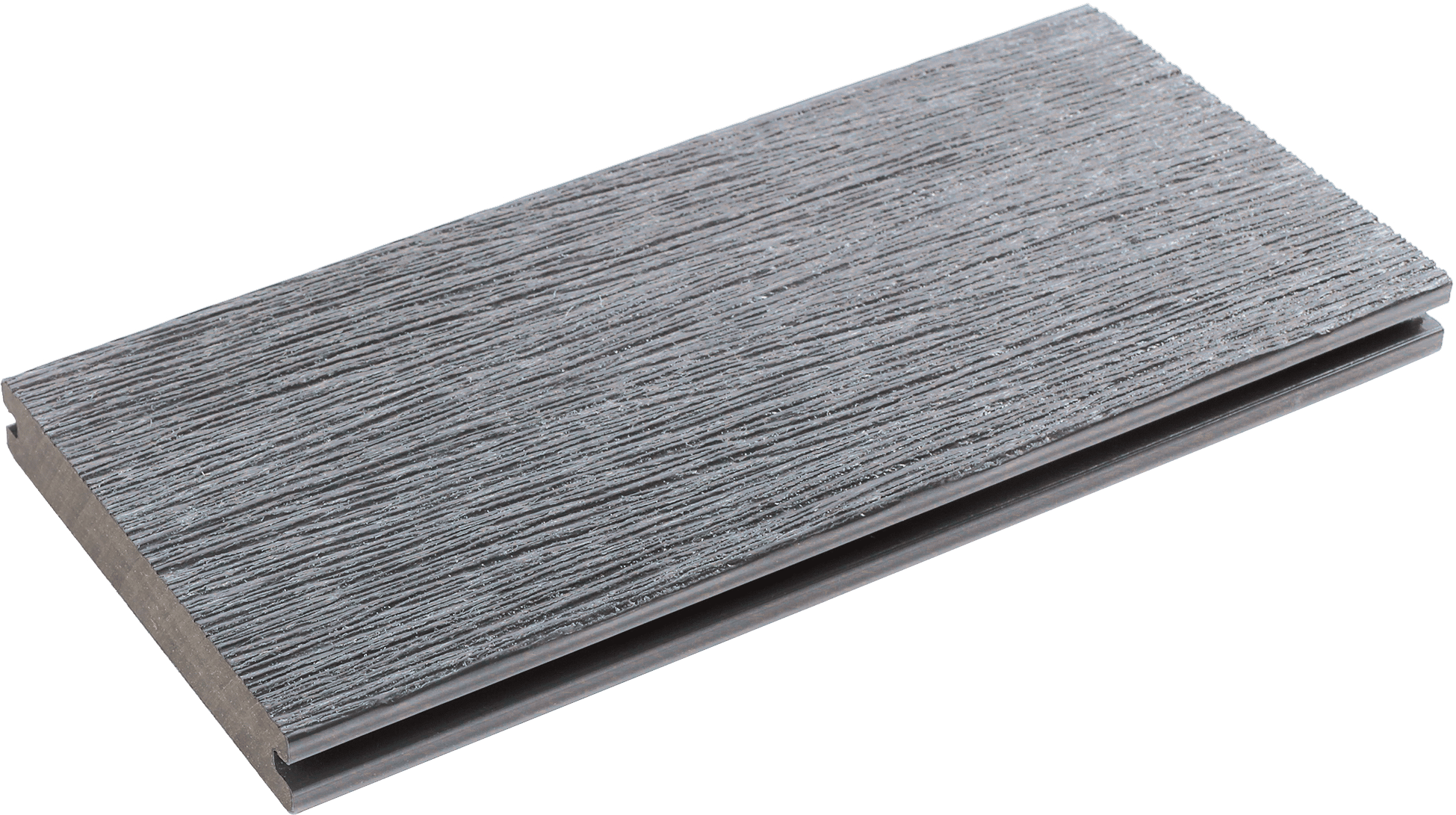
Decking boards are available in a variety of profiles, each offering a different appearance and method of installation. Smooth boards create a contemporary finish, while reeded and face-grooved profiles introduce texture and visual definition. Many boards are also machined with edge grooves, allowing hidden fixing systems to secure the decking without visible screws.
Boards are produced in a range of widths/lengths and thicknesses, with the right dimensions depending on the subframe and intended use. Understanding these differences will help you compare products more confidently.
Decking Fixing Systems and Accessories
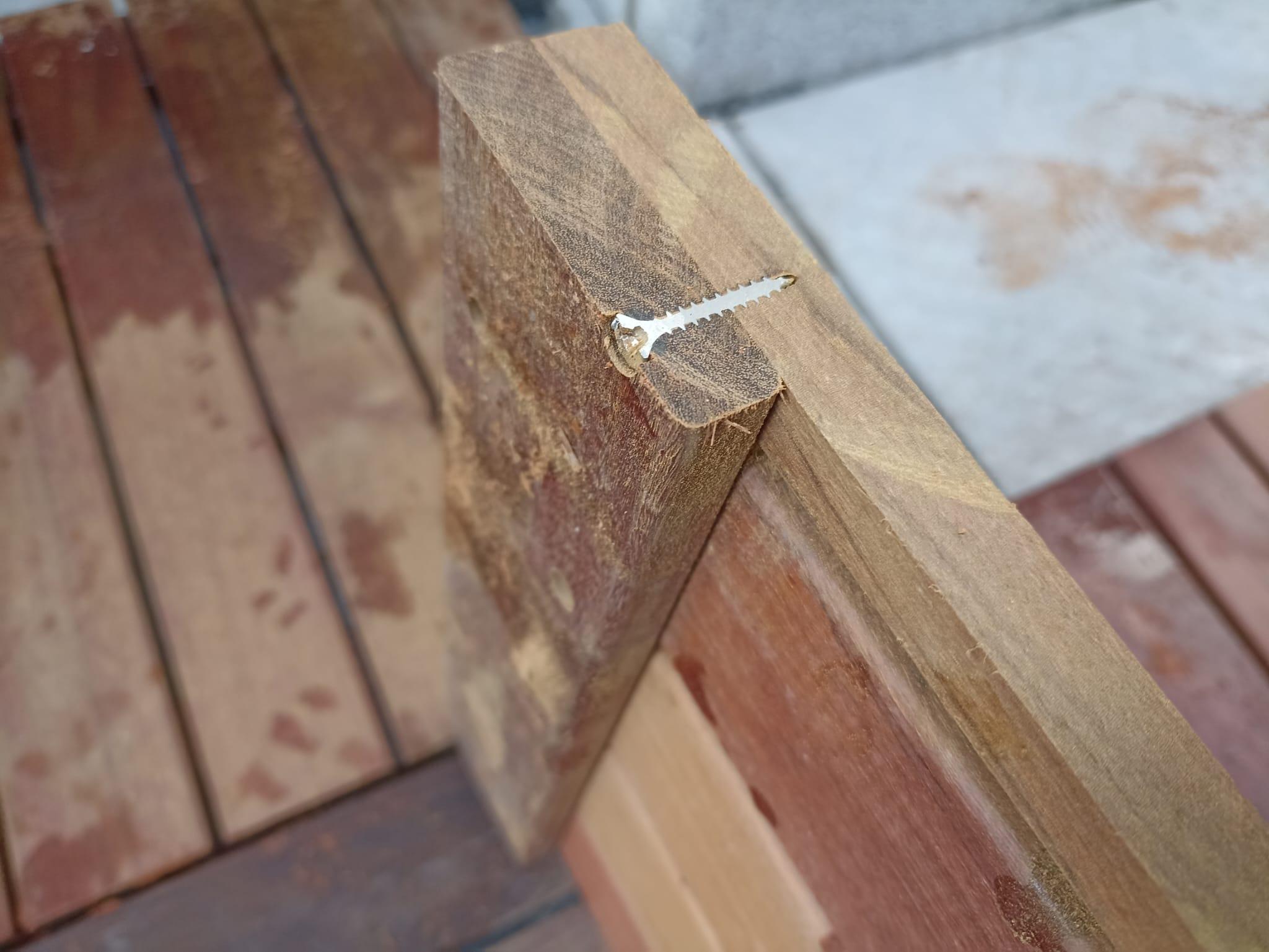
Depending on the board profile and design, you can choose between traditional face fixings or hidden fixing systems such as DeckWise® and Sharkstooth® for a cleaner finish. We also supply joists, balustrades, oils, plugs, and specialist installation tools, along with a pre-grooving service for boards that require hidden fixings.
Selecting compatible components from the outset helps achieve a professional, long-lasting result.
Find more decking accessories →
How Much Does Timber Decking Cost?
The cost of a decking project depends on far more than the price of the boards. Timber species have a significant influence, but so do board dimensions, the type of subframe, fixing system, and any finishing products such as decking oils.
Installation costs can also vary depending on the complexity of the design, as well as ground preparation and whether features such as steps, balustrades, or integrated lighting are included. Looking at the project as a whole, rather than comparing board prices alone, will give you a much more realistic idea of the overall investment.
Installing Timber Decking
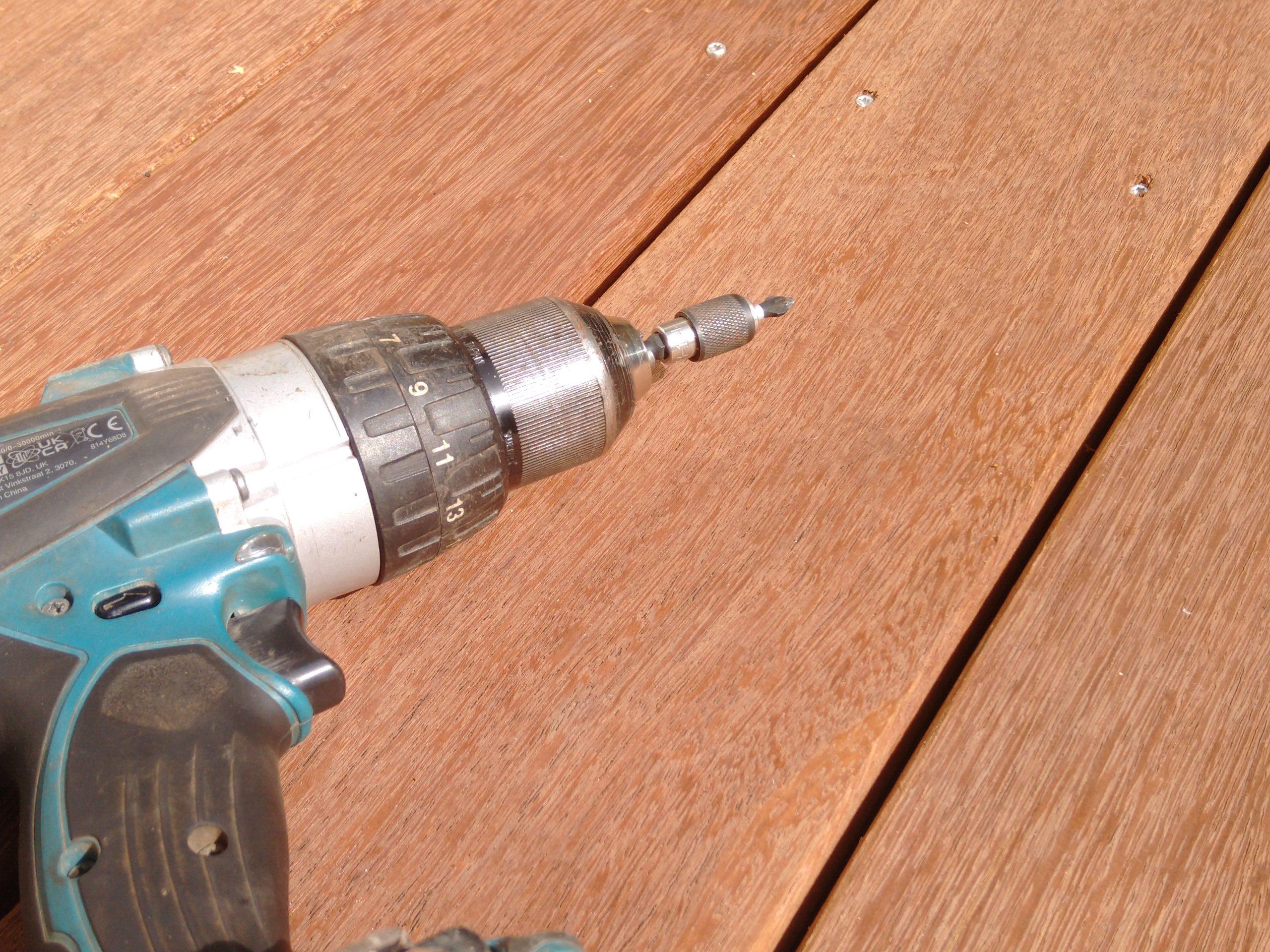
Even the highest quality decking will only perform as well as the structure beneath it. Careful planning and the correct choice of fixings all play an important role in the finished result.
Good installation also means allowing for ventilation and the natural movement of timber as it expands and contracts with changes in moisture and temperature. So whether you’re building the deck yourself or working with a contractor, following recognised installation best practice is essential for the ideal finish.
Looking After Timber Decking
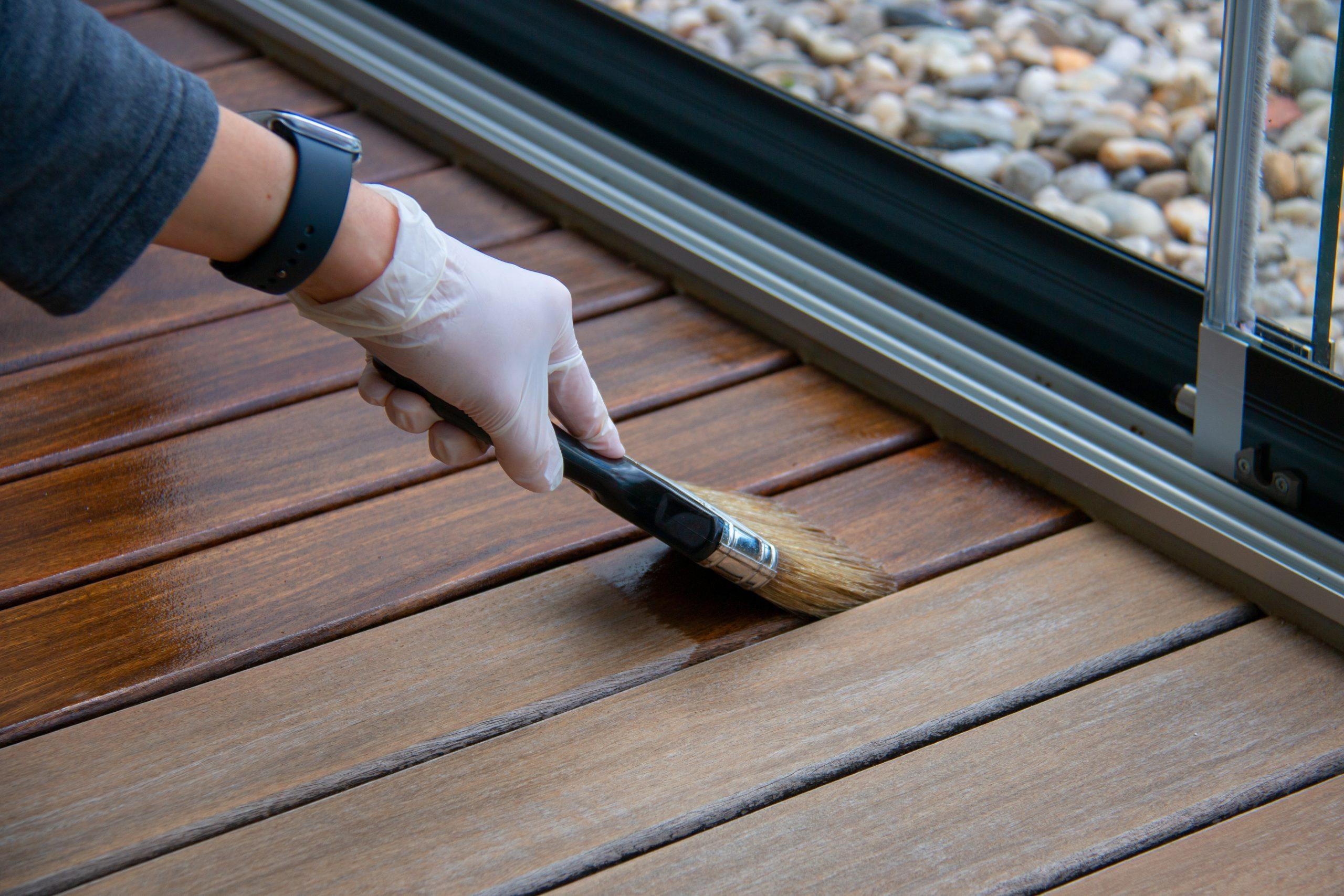
Timber decking is designed to live outdoors, so some change is both natural and expected. Exposure to sunlight and seasonal moisture will gradually alter its colour, while regular cleaning helps prevent the build-up of dirt and organic matter.
You may oil your decking or allow it to weather to a silver-grey finish – this is largely a matter of preference, provided the timber is properly cared for. Small issues are also easier to address than major ones, so periodic inspection and timely repairs can significantly extend the life of a deck.
How Timber Decking Changes Over Time
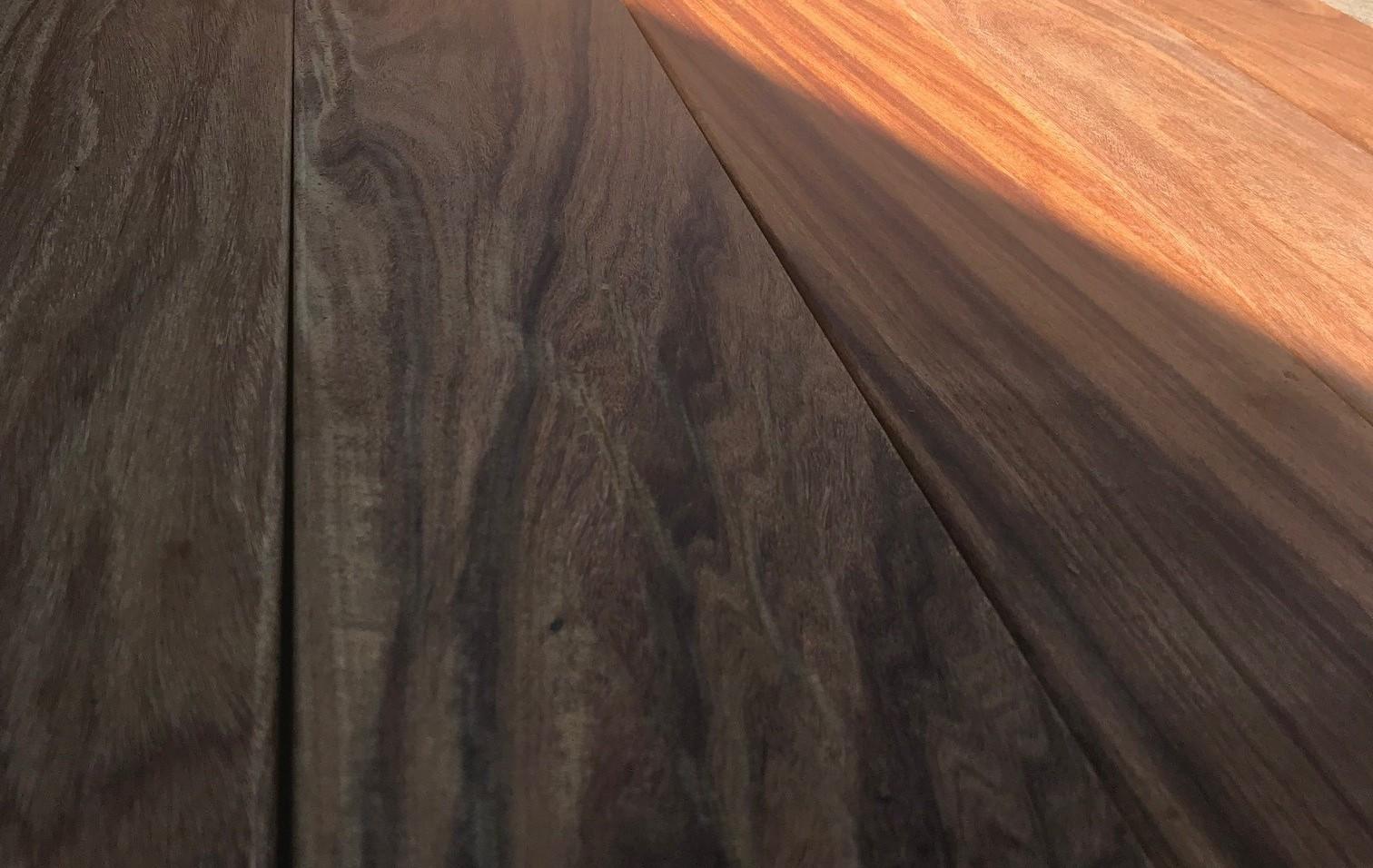
Timber is a natural material, so no deck remains exactly as it was on the day it was installed. Sunlight gradually softens the original colour, often producing the silver-grey patina associated with weathered timber. Seasonal changes in temperature and moisture also cause boards to expand and contract slightly, while variations in grain mean no two boards will age in exactly the same way.
Understanding these natural changes helps set realistic expectations and is an important part of choosing the right timber for your project.
Choosing Decking for Different Projects
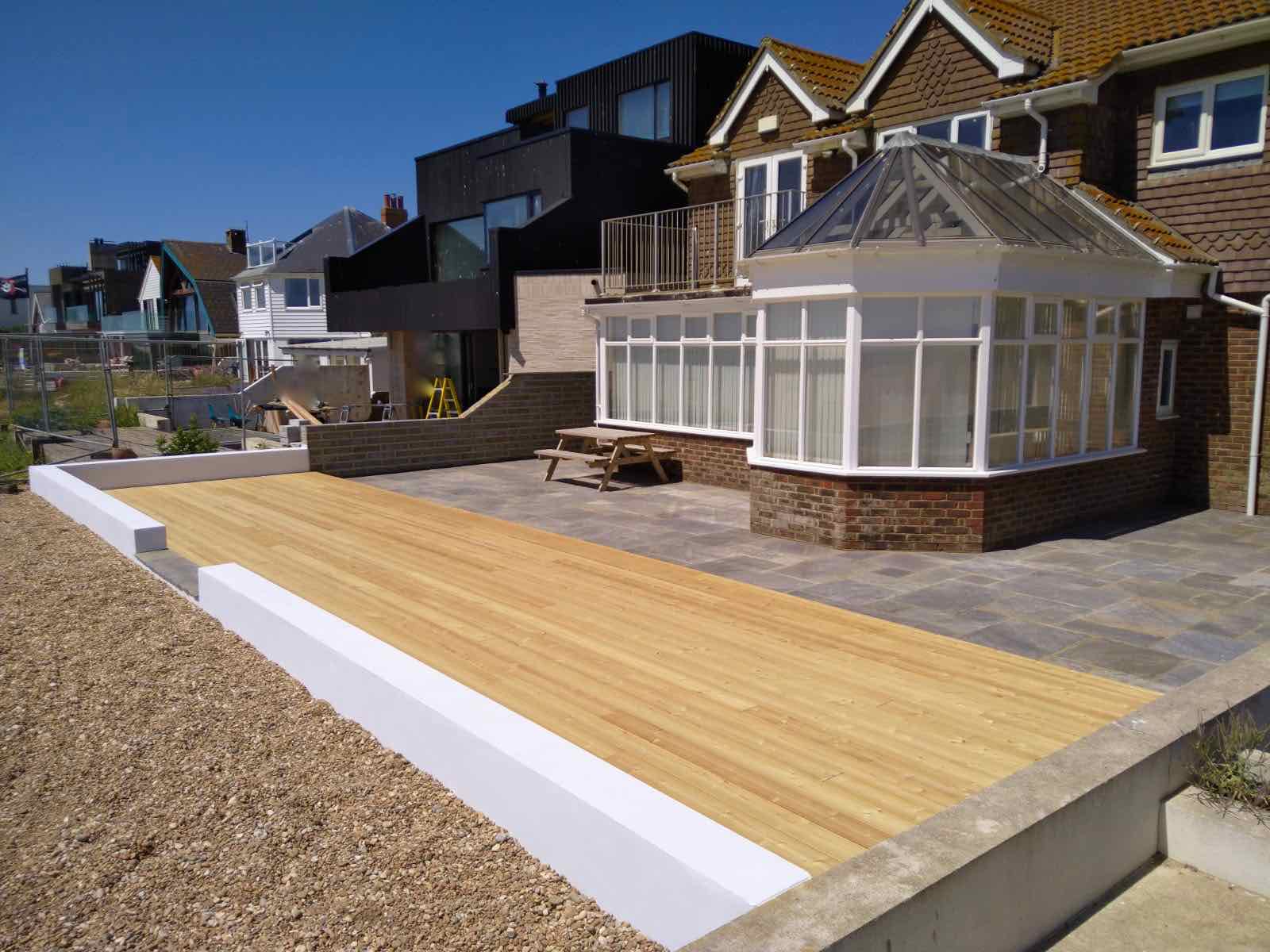
Every decking project places different demands on the material. Before comparing species or board profiles, think about how the space will be used and what you want it to achieve.
A deck designed for garden entertaining might prioritise appearance and space for dining, while a family garden needs to cope with everyday wear. Swimming pools bring moisture into the equation, and balconies often have structural or planning considerations that influence material choice.
For commercial and hospitality settings, durability and long-term maintenance are usually higher on the list of priorities. The style of the property also plays a part, with some timbers better suited to contemporary architecture and others complementing more traditional homes.
Why Material Quality Matters

Not all decking timber is the same. Performance depends on factors such as the species, moisture content, durability, and grading, all of which influence how the boards behave once they’re installed. Choosing timber that’s appropriate for its intended use is just as important as good installation.
That’s why we focus on carefully selected timber species with proven outdoor performance, helping customers choose materials that are suited to the demands of each project.
Choosing the Right Timber Decking
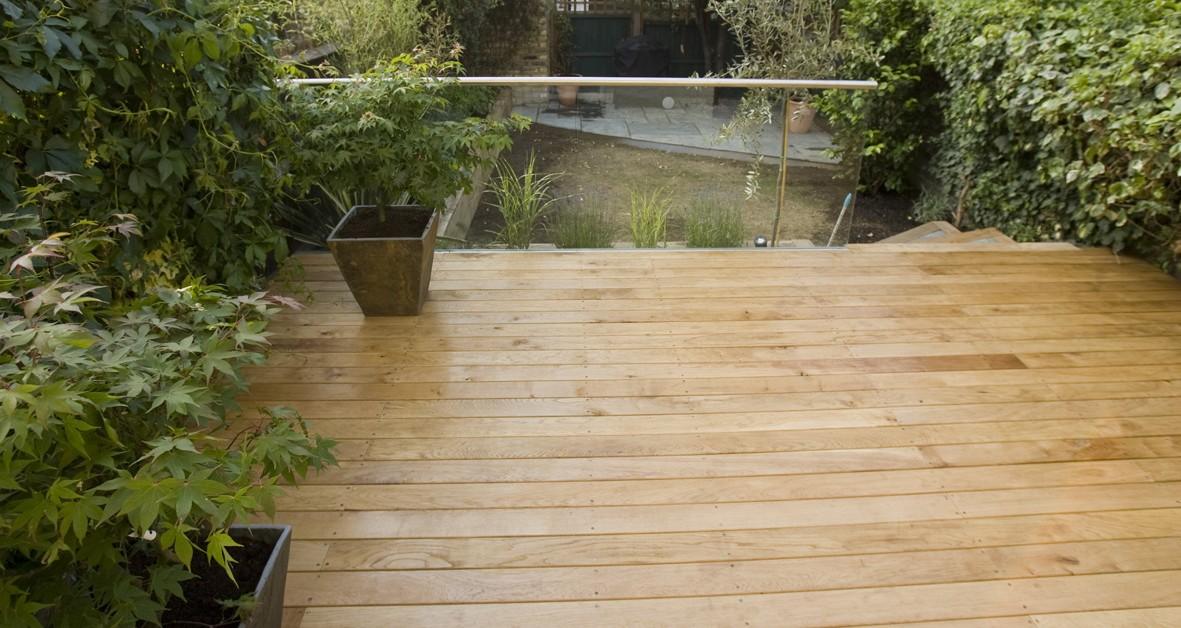
The best solution depends on the demands of the project, the character of the timber, and how you expect the deck to perform over time. Taking the time to understand the materials available will help you make a more informed decision and create the most impressive and long-lasting outdoor space possible.
Frequently Asked Questions
How long does timber decking typically last?
The lifespan of timber decking depends on a lot of factors. That said, durable hardwoods can last for decades when properly specified and cared for, while other timbers may have a shorter service life.
Does timber decking become slippery in winter?
Timber itself isn’t inherently slippery, but algae, moss, and accumulated dirt can make any outdoor surface hazardous. Regular cleaning is the most effective way to maintain grip throughout the year.
Can timber decking be laid directly onto concrete?
No. Decking boards should be installed on a suitable subframe that allows for ventilation, drainage, and natural timber movement. Laying boards directly onto concrete can lead to moisture-related problems.
What gap should be left between decking boards?
The recommended gap varies depending on the timber species and moisture content at the time of installation. Always follow the manufacturer’s or supplier’s guidance for the specific product.
Which decking timber changes colour the least?
All natural timber changes colour when exposed to sunlight and weather. Some species retain their original appearance for longer than others, but no timber remains completely unchanged outdoors.
Can individual decking boards be replaced?
Yes. One advantage of timber decking is that damaged boards can usually be removed and replaced without rebuilding the entire deck, provided the supporting structure remains sound.
Is hardwood decking worth the extra cost?
For many projects, hardwood decking offers excellent long-term value because of its natural durability and longevity. Whether it’s the right investment depends on your budget and how you expect the deck to perform over time.
Can timber decking be pressure washed?
It can, but care is needed. Excessive pressure or holding the nozzle too close to the surface can damage the timber. Gentle cleaning methods are generally recommended before resorting to pressure washing.
What is the best oil for hardwood decking?
There’s no single product that’s right for every species. The best decking oil depends on the desired finish and whether you want to preserve the original colour or allow the wood to weather naturally. We do recommend Treatex Bankirai Oil if you’re using hardwood for your deck.
Do I need planning permission for garden decking?
In many cases, garden decking can be built under permitted development rights.
Planning permission may be required for larger or raised decks, or if your property is subject to specific planning restrictions. Always check with your local planning authority before starting work.
Can different timber species be mixed on one project?
Yes, provided they’re selected and detailed carefully. Different species can vary in colour, density, and movement, so it’s important to consider how they’ll perform together over time.
How often should decking fixings be checked?
It’s good practice to inspect fixings at least once a year, particularly after winter. Loose fixings or signs of corrosion should be addressed promptly to maintain the deck’s safety and performance.
Which decking boards are suitable for coastal locations?
Coastal environments expose decking to higher levels of moisture and airborne salt. Naturally durable timber species are often preferred, but good design, correct installation, and regular maintenance are equally important.
Can decking be installed in winter?
Yes. Timber decking can be installed throughout the year provided site conditions are suitable and correct installation practices are followed. Wet, frozen, or unstable ground may affect construction, regardless of the season.
Is timber decking environmentally friendly?
Timber is a renewable material when sourced from responsibly managed forests. Choosing durable species that are appropriate for the application can also extend the life of the deck and reduce the need for replacement.
Get a Quote
Looking for advice or have a question? Fill out our quick form below and we'll put you in touch with the right person in our team! We'll get back to you by the end of the next working day.

