
The Complete Guide to Timber Cladding
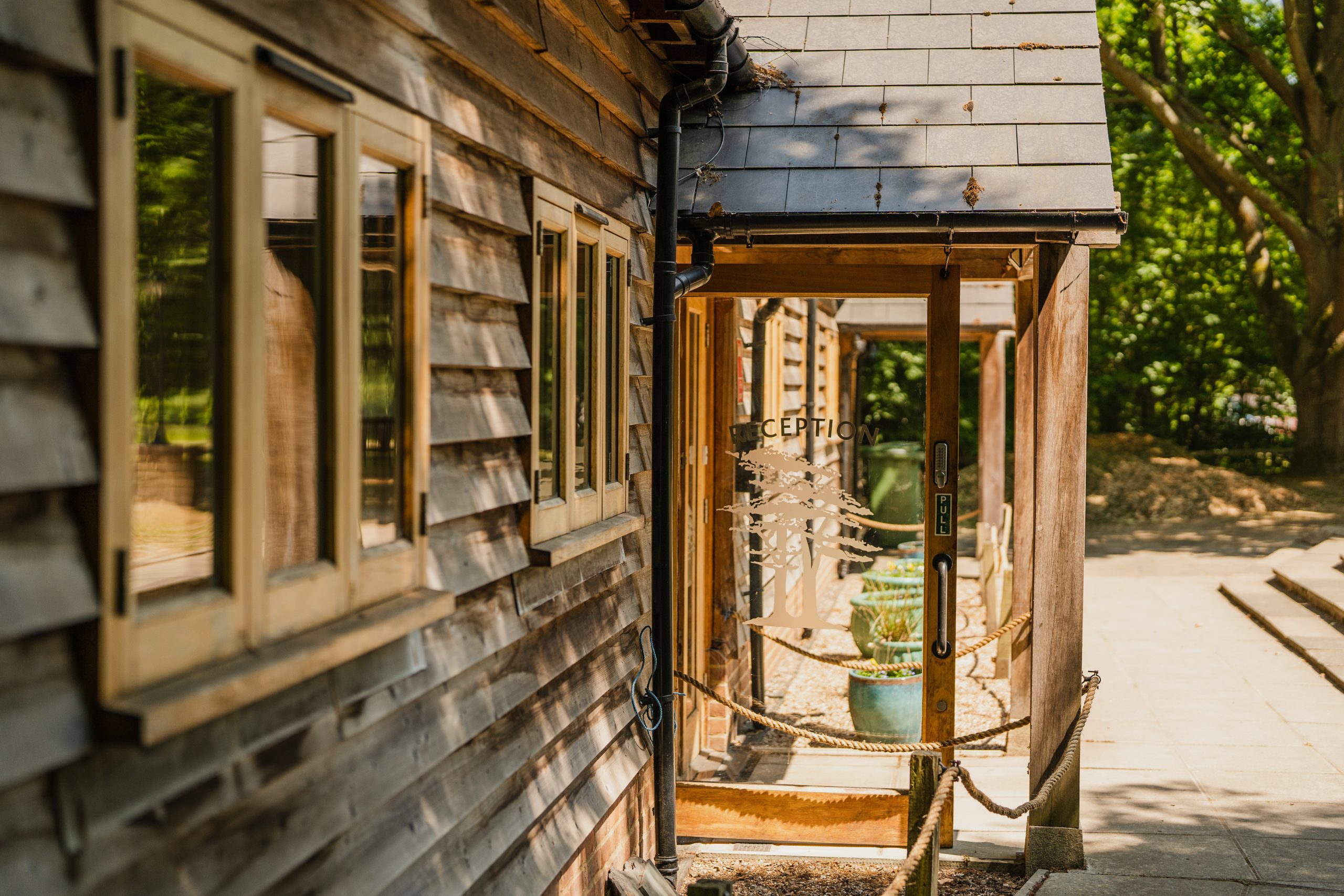
Timber cladding is one of the most effective ways to shape the appearance and performance of a building. Used for everything from contemporary homes and garden rooms to commercial developments and oak-framed buildings, it offers a strong and natural exterior when correctly specified.
This guide explains the different cladding materials, profiles, costs, installation considerations, and maintenance requirements, helping you choose the right solution for your project.
BROWSE OUR TIMBER CLADDING RIGHT AWAY
Why Choose Timber Cladding?
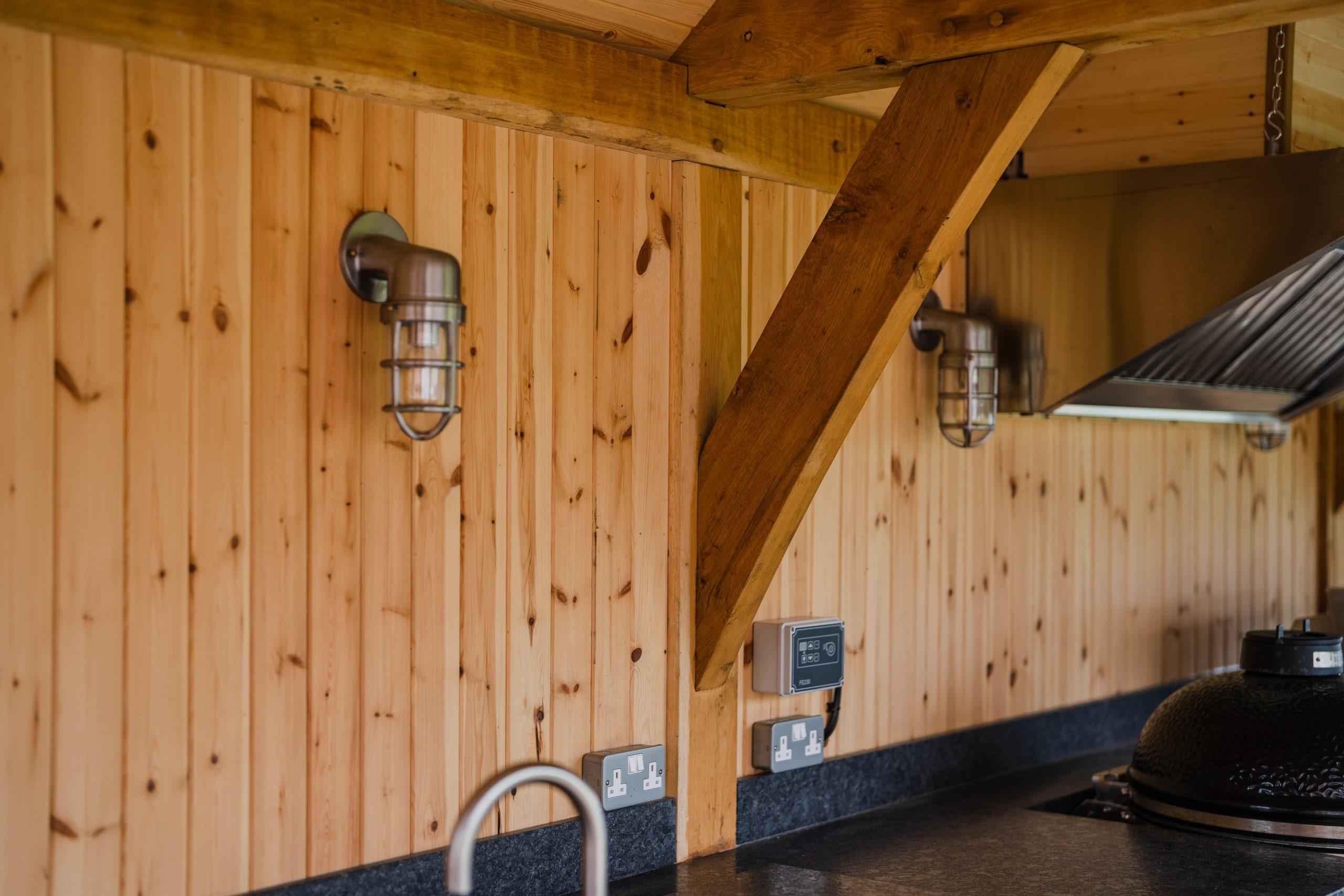
Timber cladding forms part of the external envelope, protecting the structure from the elements while contributing to a well-designed facade. Used as part of a ventilated rainscreen system, it can support moisture management and work alongside insulation to improve overall building performance.
Its appeal also lies in the material itself. Timber introduces natural colour and texture that manufactured finishes cannot replicate, while individual boards can often be repaired or replaced if required. When responsibly sourced and correctly specified, timber is a renewable material capable of providing decades of service, gradually developing character as it weathers.
Timber Cladding Compared
| Feature | Timber Cladding | Brick | Composite Cladding | Render |
| Appearance | Natural grain and texture that matures over time | Traditional masonry finish | Consistent wood-effect finish | Smooth, uniform surface |
| Repairability | Individual boards can often be replaced | Repairs can be more disruptive and visible | Individual boards can usually be replaced | Local repairs may remain visible |
| Design flexibility | Wide choice of species, profiles, and installation styles | Limited to brick type and bond patterns | Available in a range of colours and profiles | Can be applied in different textures and colours |
| Weathering | Develops a natural patina over time | Generally retains its appearance | Designed for long-term colour consistency | Appearance depends on finish and maintenance |
| Sustainability | Renewable when responsibly sourced | Energy-intensive to manufacture | Contains recycled and manufactured materials | Cement-based systems typically have a higher embodied carbon than timber |
Understanding Timber Cladding Materials
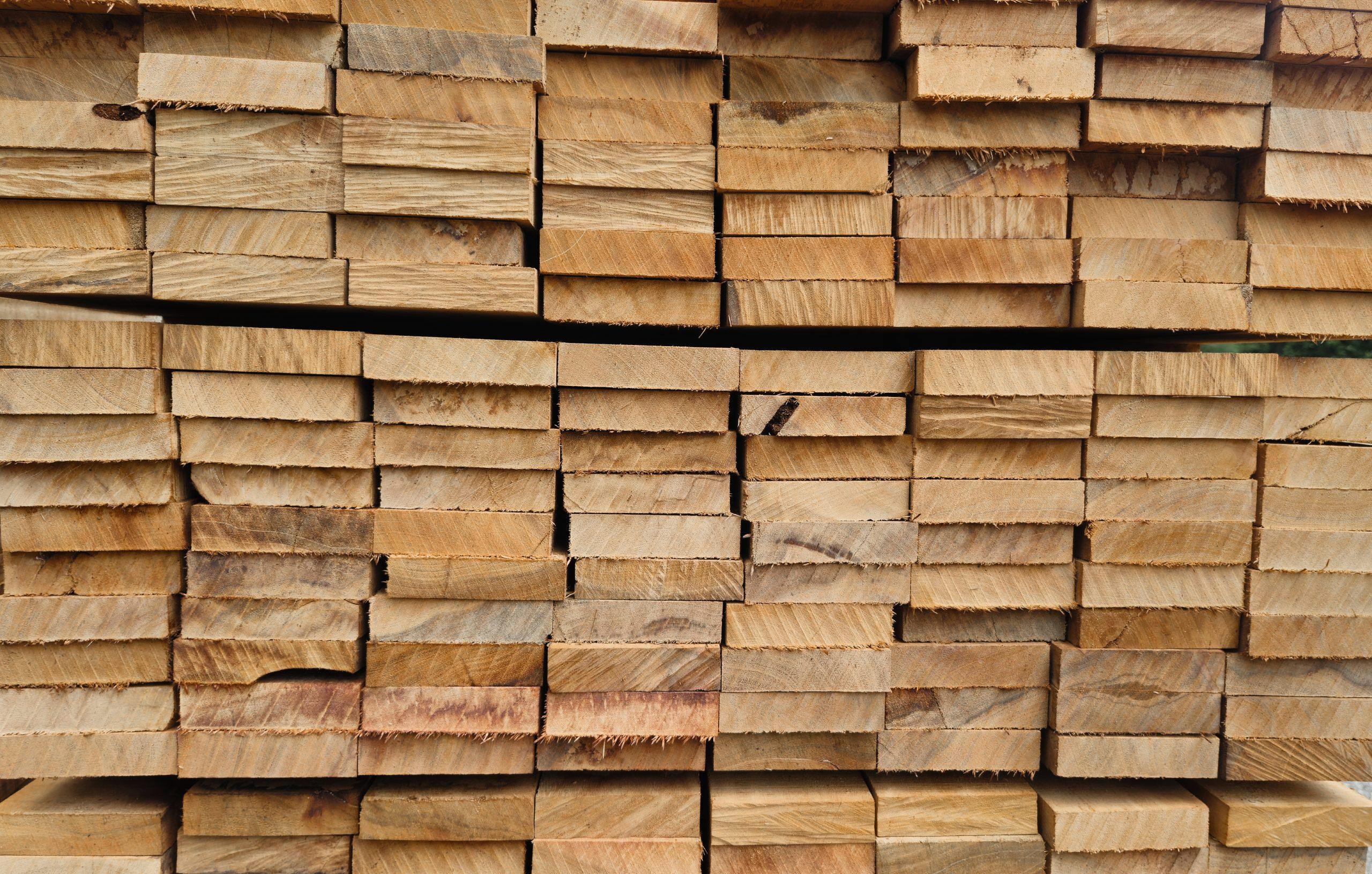
Timber cladding encompasses a wide range of materials, each chosen for different reasons. Some species are valued for their natural durability, others for their appearance or stability, while engineered products have been developed to reduce maintenance or improve consistency.
Understanding how these materials differ makes it much easier to choose cladding that’s suited to both the building and the environment in which it will be installed.
| Material | Best suited to | Examples |
| Hardwood | Long-term durability and demanding external environments | Oak, Ipe, Cumaru, Yellow Balau |
| Softwood | Natural appearance and versatile residential applications | Western Red Cedar, Canadian Larch, European Larch |
| Thermally Modified Timber | Projects where stability and reduced movement are important | Thermory® Ash, Thermory® Pine, Thermory® Spruce |
| Composite | Low-maintenance facades with a consistent appearance | WEO® Composite Cladding |
Hardwood Cladding
Hardwood cladding includes some of the world’s most durable timber species. European Oak has been used in British construction for centuries, valued for its strength, distinctive grain, and ability to weather gracefully. Alongside it are tropical hardwoods such as Ipe, Cumaru, and Yellow Balau, each originating from forests where slow growth produces exceptionally dense timber.
Their natural durability and resistance to the elements have made them well established for exterior cladding, particularly on buildings exposed to demanding weather conditions.
Softwood Cladding
Not all softwoods perform in the same way outdoors. Western Red Cedar contains naturally occurring oils that help protect the timber against decay, while Canadian and European Larch develop a dense, resin-rich structure that improves their suitability for external use.
Compared with most hardwoods, softwoods are generally lighter in weight and density, making them easier to handle while retaining the natural character many architects and homeowners look for.
Thermally Modified Timber
Thermally modified timber isn’t a timber species, but a treatment process. Using only carefully controlled heat and steam, the timber’s internal structure is permanently altered without the need for chemical preservatives. The result is improved dimensional stability and reduced moisture movement.
Products such as Thermory® combine these performance benefits with the natural appearance of real timber.
Composite Cladding
Composite cladding is an engineered product manufactured from a combination of recycled wood fibres and recycled plastics. Rather than relying on natural grain variation, the boards are designed to provide a more consistent colour and finish across a facade.
They also have different maintenance requirements to timber, making them a popular option where reducing ongoing upkeep is a priority.
Choosing the Right Cladding Material
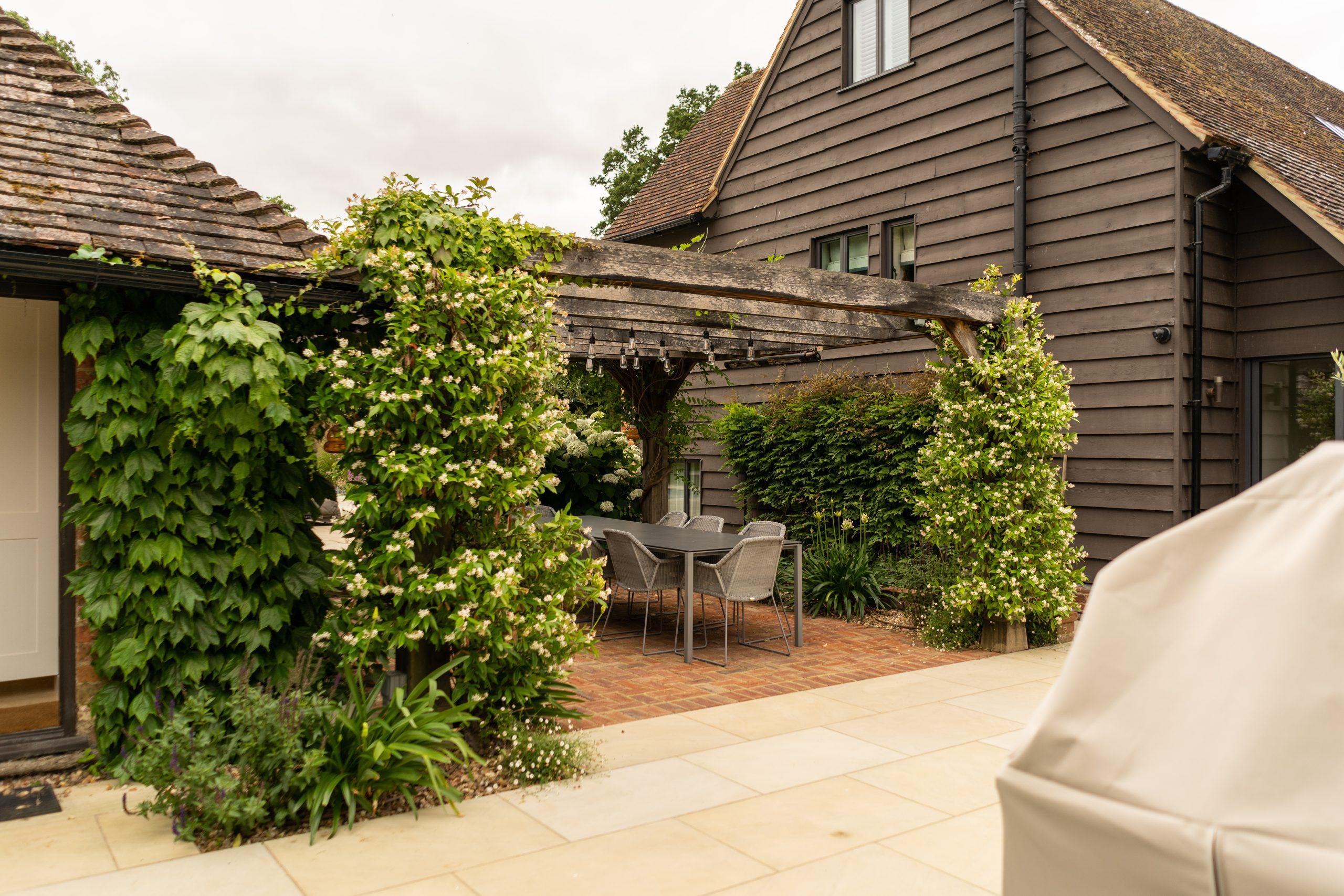
There’s no single ‘best’ cladding material. The right choice depends on the building, its surroundings, and what you expect the facade to do over the years ahead. Some projects prioritise natural weathering and character, while others focus on achieving a contemporary appearance with minimal maintenance.
Before comparing individual products, consider what matters most to your project.
| If your priority is… | Consider… |
| Natural weathering | Oak, Western Red Cedar, or Canadian Larch |
| Low maintenance | Composite cladding |
| Contemporary architecture | Thermally modified timber, batten cladding, or composite cladding |
| Traditional buildings | Oak, featheredge, or shiplap cladding |
| Coastal sites | Naturally durable hardwoods such as Ipe or Yellow Balau* |
| Commercial projects | Dense hardwoods, thermally modified timber, or composite cladding |
| Working within a budget | Softwood cladding or selected thermally modified products |
| Maximum lifespan | Naturally durable hardwood species |
*Material selection is only one part of a successful cladding system. Exposure, ventilation, detailing, installation quality, and ongoing maintenance all contribute to long-term performance.
Timber Cladding Profiles Explained
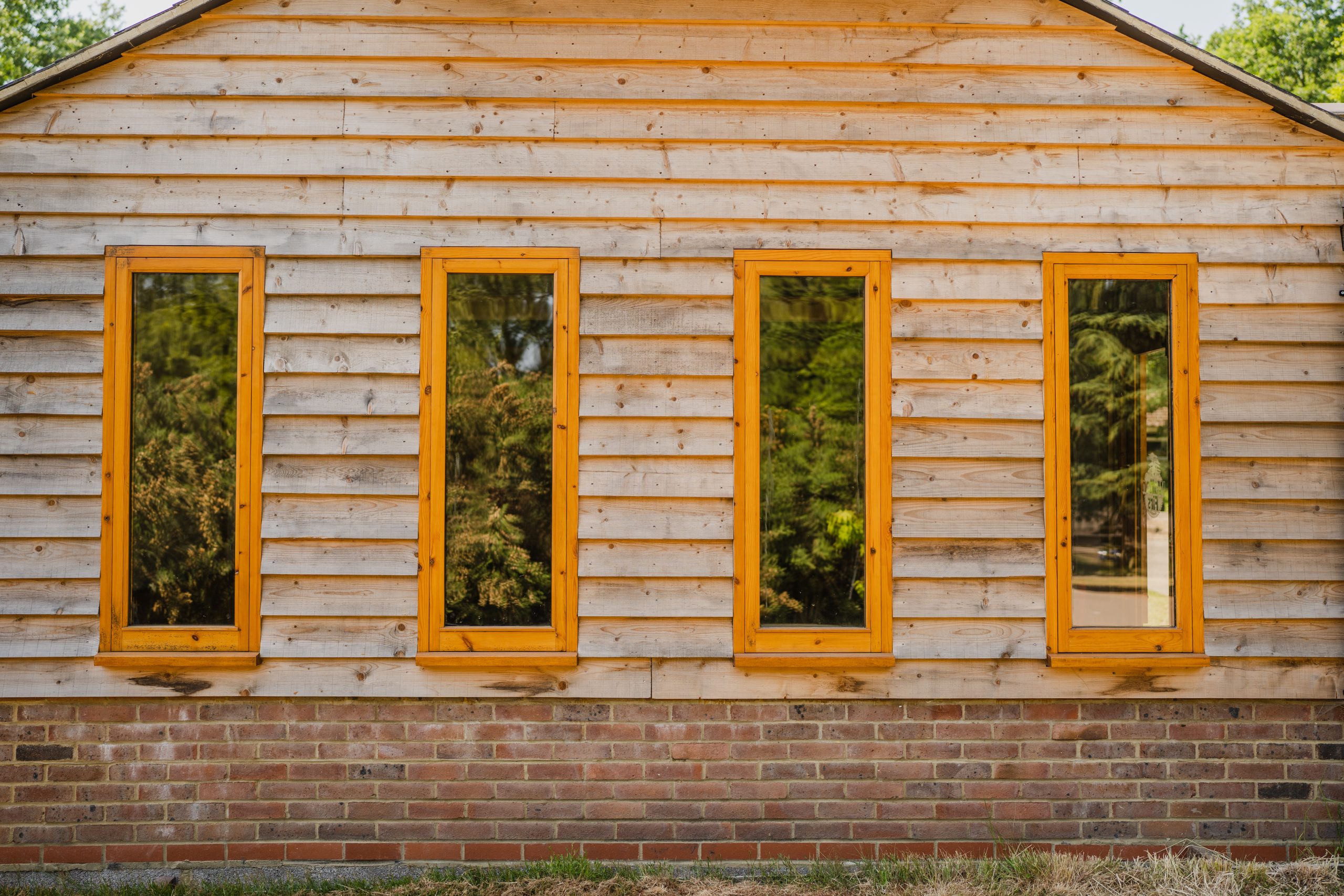
Choosing a profile is as much about the style of the building as it is the timber itself, making it worth considering both together from the outset.
| Profile | Appearance | Common applications |
| Shadow Gap | Defined shadow lines with a contemporary finish | Modern homes, extensions, commercial buildings |
| Shiplap | Interlocking boards with subtle horizontal detailing | Residential properties, garden buildings |
| TG&V | Tight, continuous boards with a V-joint detail | Traditional and contemporary facades |
| Featheredge | Overlapping boards with a classic weatherboard appearance | Heritage buildings, rural properties, barns |
| Square Edge | Simple, clean-edged boards with flexible layouts | Contemporary designs and bespoke installations |
| Batten | Evenly spaced boards creating depth and rhythm | Architectural facades, screening, feature walls |
| Castellated | Deep linear grooves creating bold shadowing | Modern residential and commercial projects |
| Shingles | Individually laid timber tiles with natural texture | Roofs, gable ends, feature elevations |
Vertical vs Horizontal Cladding
Vertical boards draw the eye upwards, making buildings appear taller and often complementing contemporary architecture. Horizontal boards emphasise width, creating a more traditional appearance that’s common on houses, garden rooms, and agricultural buildings.
Both orientations can perform well when correctly detailed and ventilated, allowing water to drain away effectively. The best choice depends on the building’s proportions and the overall cladding system rather than one approach being inherently better than the other.
Timber Cladding Fixings & Ventilation
Even the highest-quality cladding will only perform as intended if it’s installed correctly. A ventilated cavity behind the boards allows moisture to escape, while a breather membrane helps protect the building envelope from wind-driven rain. The correct subframe provides a stable fixing surface and creates the necessary airflow behind the cladding.
Fixings are equally important. Stainless steel screws or nails help prevent corrosion and staining, while some systems use hidden clips to create an uninterrupted appearance. Timber should also be allowed to expand and contract naturally, with appropriate detailing around board ends and cut edges, including end sealing where recommended.
How Much Does Timber Cladding Cost?
The cost of timber cladding depends on far more than the species alone. Board profile, machining, and timber grade all influence material costs, while the supporting subframe and accessories also form part of the overall system.
Installation costs vary according to the building’s height, as well as ease of access and detailing around openings. Labour requirements can differ significantly between simple layouts and more intricate profiles or facade systems. Looking at the project as a whole provides a more realistic picture than comparing board prices alone.
Installing Timber Cladding
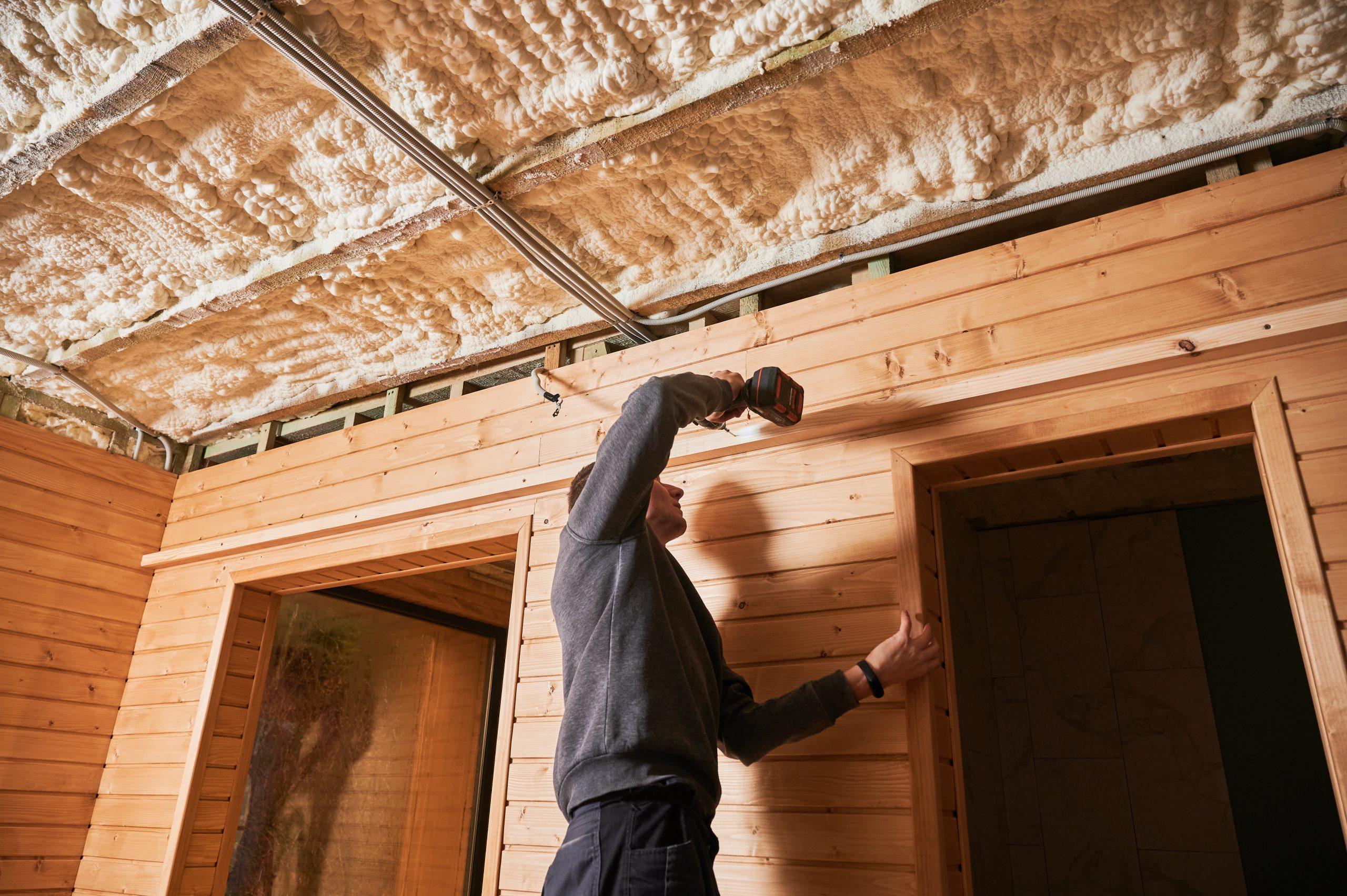
Careful planning ensures the correct subframe and ventilation are in place to manage moisture and support long-term performance. Timber naturally expands and contracts as moisture levels change, so boards should be installed with appropriate spacing and suitable fixings that allow for movement.
Particular attention should also be paid to weather detailing around corners and other junctions, to help shed water effectively. While many cladding systems follow similar principles, installation requirements vary between materials and profiles.
Looking After Timber Cladding
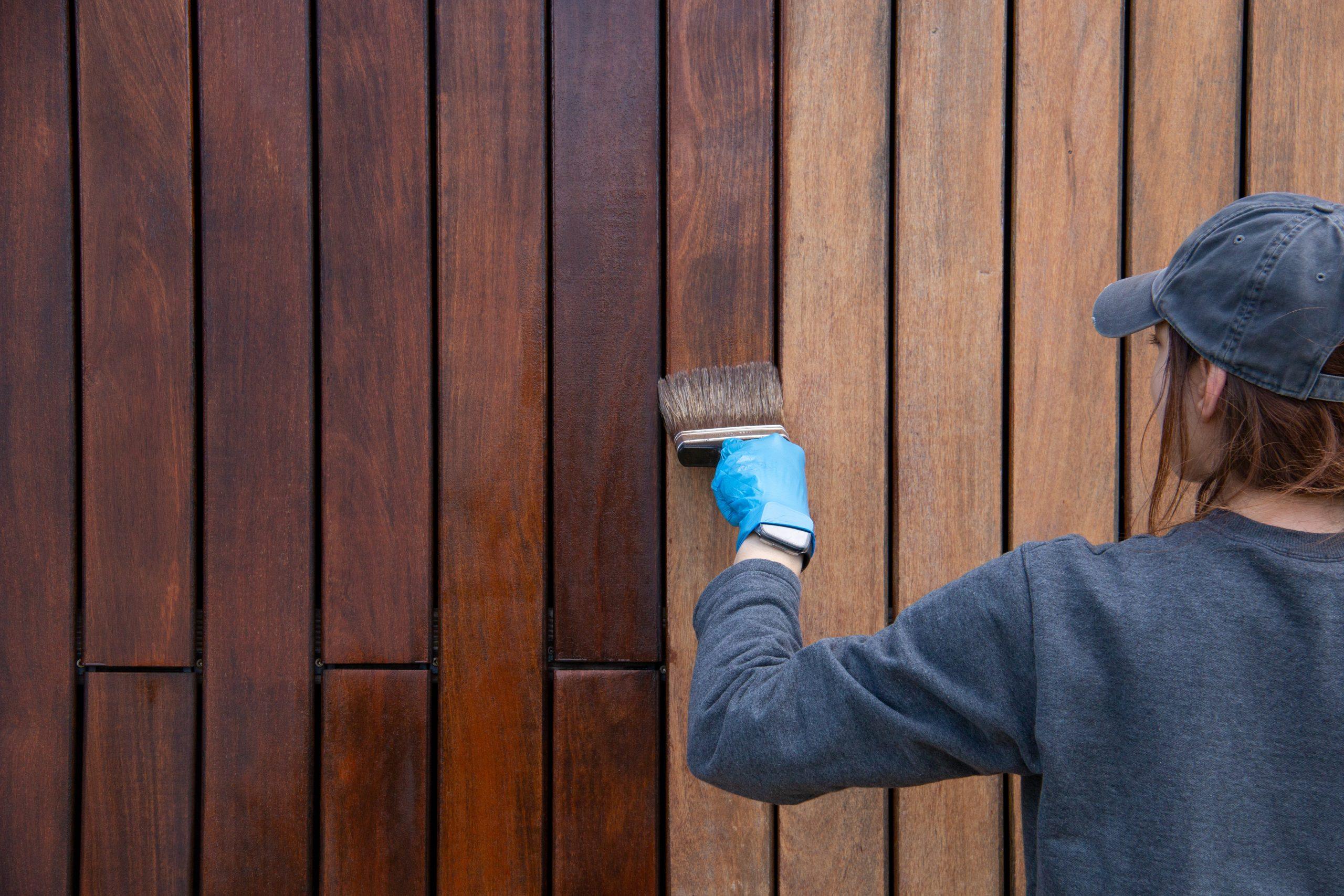
Regular maintenance helps timber cladding continue to perform and look its best. Periodic cleaning removes dirt and organic growth, while routine inspections can identify loose fixings or damaged boards before they become larger issues.
Some timber species can be oiled to help retain their original colour, although many are left to weather naturally and develop a silver-grey patina. Composite cladding typically requires only occasional cleaning, with no need for oiling.
Cladding bonus: If individual timber boards are damaged, they can often be replaced without disturbing the rest of the facade.
How Timber Cladding Changes Over Time
Timber is a natural material, so change is part of its character rather than a sign of failure. Exposure to UV light gradually softens many species to a silver-grey colour, while subtle grain definition and natural colour variation can develop as the timber responds to its environment.
The rate and appearance of weathering varies between species and can be influenced by exposure and maintenance.
Choosing Cladding for Different Projects

The best cladding choice often depends on the type of building rather than a particular timber species.
- Residential extensions and garden rooms frequently balance appearance with budget
- Contemporary homes often favour clean profiles and consistent detailing
- Oak-framed buildings typically suit materials that complement their natural character
- Commercial and hospitality projects may prioritise ease of maintenance and long-term performance
- Agricultural buildings often require hard-wearing solutions that sit comfortably within their surroundings
Timber cladding can also be used internally to create feature walls, bringing warmth and texture into residential and commercial spaces.
Quality Always Matters

The long-term performance of timber cladding begins with the quality of the material itself. Timber that has been correctly graded, machined, and dried to the appropriate moisture content is more likely to install accurately and move predictably in service.
Selecting the right species for the building and its environment is equally important, helping to ensure the cladding performs as intended as the years roll on.
Choose the Right Timber Cladding for Your Project

Choosing timber cladding starts with understanding the project rather than selecting a species. A material that works well on a contemporary home may not be the right choice for an oak-framed building or a coastal site. Taking the time to consider how the cladding will look, how it will perform, and how it will weather will help you make a confident decision that lasts.
BROWSE OUR TIMBER CLADDING RANGE TODAY
Frequently Asked Questions
How long does timber cladding last?
Naturally durable hardwoods can provide decades of service, while other timbers may require more regular maintenance to achieve a similar lifespan.
Does timber cladding need treating?
Not always. Some species are commonly left untreated so they can weather naturally, while others are oiled or coated to help retain their original colour.
Can timber cladding be painted?
Yes, many timber species can be painted or stained using products designed for exterior timber. Preparation and ongoing maintenance requirements vary depending on the species and the chosen finish.
Why does timber cladding turn grey?
Exposure to ultraviolet (UV) light gradually changes the colour of most timber species, creating the silver-grey appearance often seen on exterior cladding.
This is a natural weathering process and does not indicate that the timber has failed.
Can timber cladding be installed vertically?
Yes. Timber cladding can be installed vertically or horizontally, provided the supporting system is correctly designed to allow ventilation, drainage, and appropriate fixing of the boards.
What’s the difference between shiplap and shadow gap cladding?
Shiplap uses overlapping board edges to create a traditional appearance while helping to shed water.
Shadow gap profiles create recessed joints that produce stronger shadow lines and are often chosen for contemporary architecture.
Which timber is best for coastal locations?
There isn’t a single best choice. Coastal environments place greater demands on external materials, so naturally durable species and well-designed cladding systems are typically preferred.
Correct installation and appropriate fixings are just as important as the timber itself.
Can damaged cladding boards be replaced?
In many cases, yes. Individual timber boards can often be removed and replaced without rebuilding the entire facade, making repairs more straightforward than with some other external finishes.
Is timber cladding suitable for garden rooms?
Yes. Timber cladding is widely used on garden rooms, home offices, studios, and other outbuildings because it provides a natural finish and is available in a wide range of species and profiles.
Do I need a ventilated cavity behind timber cladding?
A ventilated cavity is an important part of most modern timber cladding systems. It allows air to circulate behind the boards, helping moisture to escape and supporting the long-term performance of the building envelope.
Which fixings should be used for timber cladding?
Stainless steel fixings are generally recommended because they resist corrosion and reduce the risk of staining. Some cladding systems also use concealed fixing clips where they’re compatible with the chosen profile.
Can timber cladding improve insulation?
Timber cladding itself provides only limited insulation. However, when used as part of a ventilated rainscreen system, it works alongside insulation installed within the wall build-up to improve the overall thermal performance of the building.
Does timber cladding need planning permission?
In many cases, timber cladding can be installed without planning permission, but this depends on the type of property, its location, and the extent of the work.
If you’re unsure, it’s best to check with your local planning authority before starting a project.
Is composite cladding better than timber?
Neither material is inherently better. Timber offers natural character and develops over time, while composite provides a more consistent appearance with different maintenance requirements.
The right choice depends on the priorities of the project.
Is timber cladding environmentally friendly?
Timber is a renewable material when sourced from responsibly managed forests. Its environmental impact depends on factors such as the species, where it is grown, how it is processed, and how far it travels before installation.
Get a Quote
Looking for advice or have a question? Fill out our quick form below and we'll put you in touch with the right person in our team! We'll get back to you by the end of the next working day.

