
The Round Wood Materials Guide
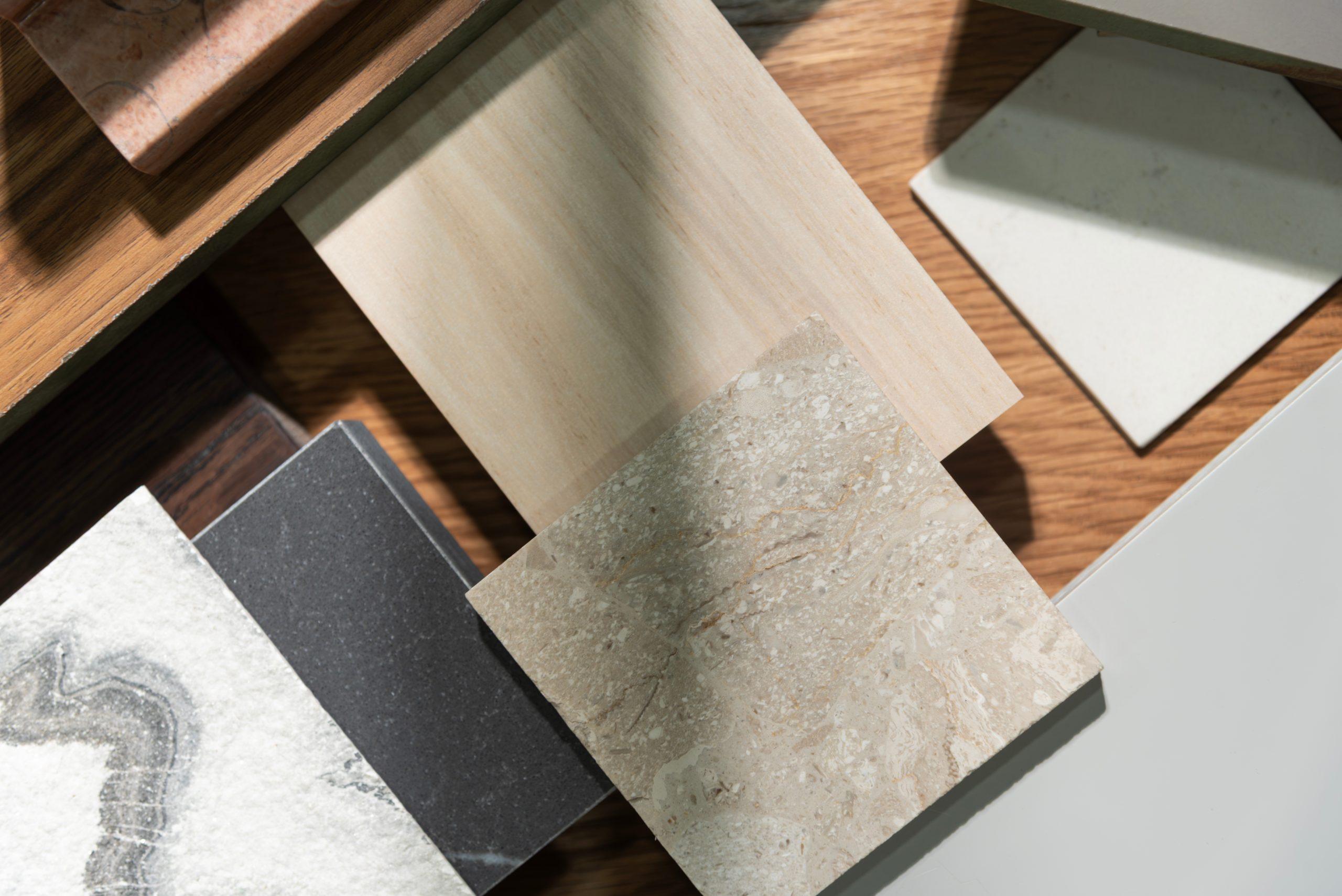
Your choice of material is the single most important decision in a building or landscaping project. It influences how the finished result looks, as well as how it performs, weathers, and is maintained over time.
From timber and oak to corten steel, stone, and composite materials, each has its own strengths. This guide explains the key differences, helping you choose the very best material with absolute confidence.
Choose Your Material Wisely
The right material helps shape how a project looks on the day it’s finished and how well it stands up to years of use. Some materials are chosen for their natural durability, while others are valued for their appearance, ease of maintenance, or suitability for a particular application. Taking the time to understand those differences before making a decision can help you choose a material that suits both your project and your budget.
Timber
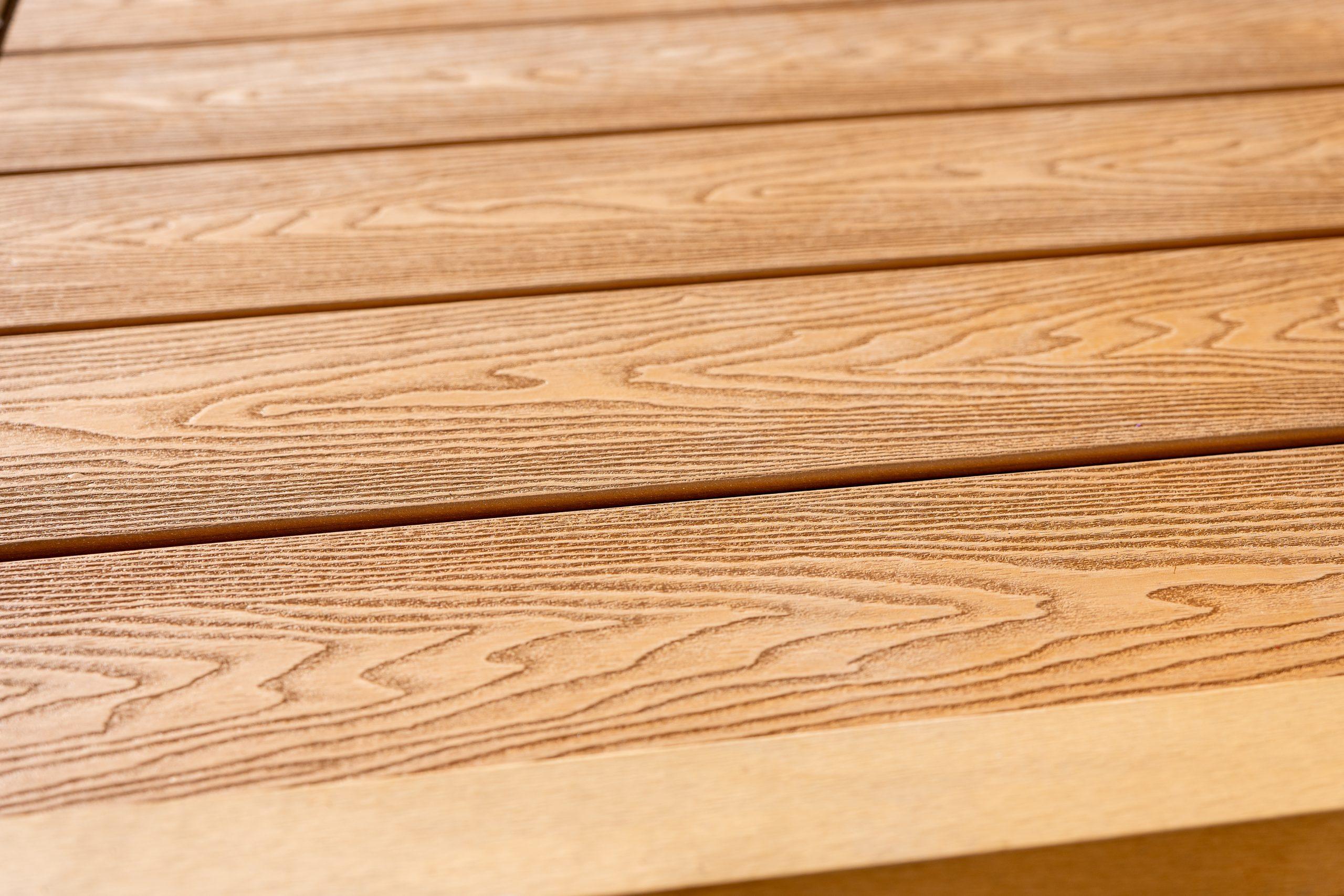
The Foundation of Many Outdoor & Building Projects
Few materials are as widely used or as adaptable as timber. It has been trusted in construction for centuries and continues to play an important role in everything from oak-framed buildings and structural beams to cladding, decking, flooring, and landscaping products.
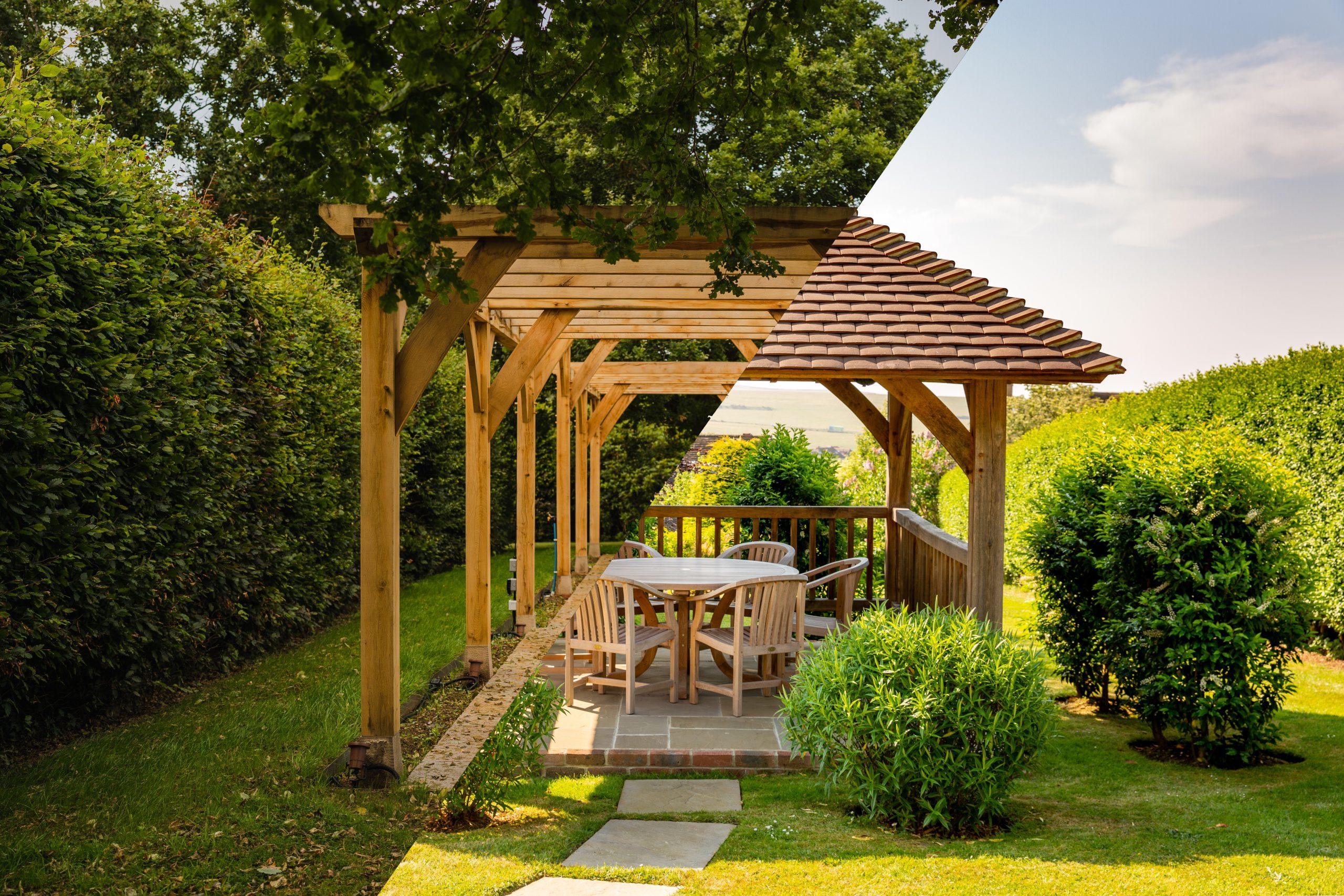
Our mill works with a broad range of timber species, each chosen for particular qualities. Alongside English oak, our range includes naturally durable hardwoods such as Ipe, Cumaru, and Balau, as well as versatile softwoods including Western Red Cedar, Larch, and Pine. We also supply engineered timber products and thermally modified timber, offering solutions for projects where improved stability or durability is required.
As a renewable material, responsibly-sourced timber also offers an environmentally conscious choice for many projects. Different species and manufacturing methods allow it to perform in a wide variety of settings, from exposed gardens to interior living spaces.
Timber Types to Suit Your Preference
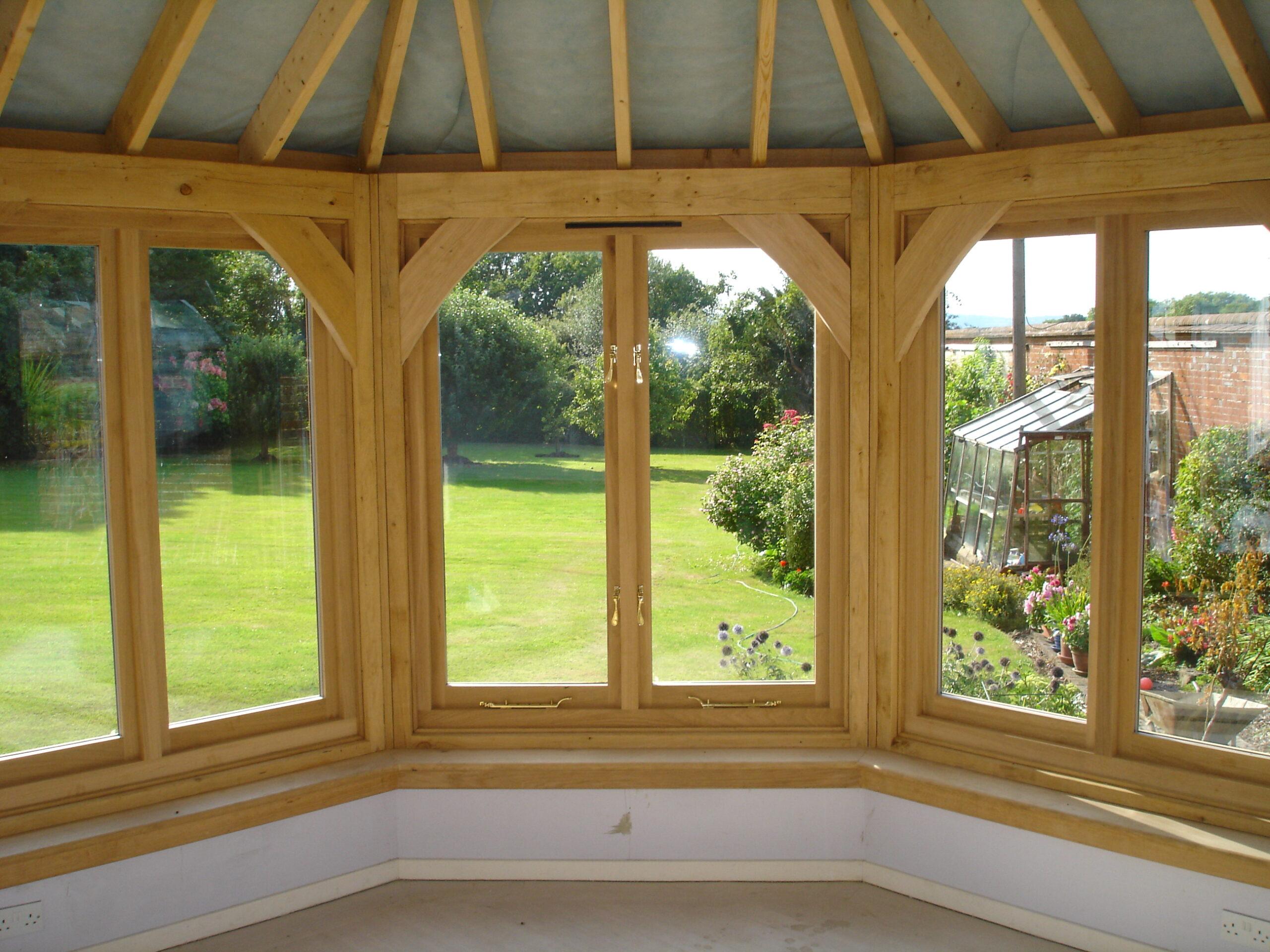
Hardwoods and softwoods each have their own characteristics, while engineered and thermally modified products have been developed to improve stability or durability for particular applications. Understanding these differences is the first step towards choosing the right timber for your project.
Hardwood vs Softwood Explained
Despite their names, hardwoods and softwoods aren’t classified by how hard they are. The terms refer to the type of tree they come from. Hardwoods grow from broadleaf trees, while softwoods come from coniferous species. Growth rate influences the structure of the timber, which in turn affects how it’s typically used.
| Hardwood | Softwood |
| From broadleaf trees | From coniferous trees |
| Generally slower growing | Generally faster growing |
| Often denser and naturally durable | Usually lighter and easier to work with |
| Commonly used for structural oak frames, hardwood decking, flooring, and joinery | Often used for cladding, fencing, landscaping, and general construction |
Neither is inherently better than the other. The right choice depends on the environment and the performance type you’re after.
Why Oak Remains One of Britain’s Most Trusted Timbers
Oak has been used in British construction for centuries, and for good reason. Its natural durability and distinctive grain have made it a go-to for everything from traditional timber frames to contemporary homes.
For our timber mill, oak sits at the heart of our range.
- English oak is used across oak-framed buildings, garages, structural beams, flooring, cladding, and joinery, offering a material that performs as well as it looks.
- Green oak is often selected for structural frames because it can be worked while the timber is still drying, while air-dried oak provides greater stability for applications where movement needs to be kept to a minimum.
As oak matures, it develops even more character, gradually weathering and changing in appearance without losing its inherent strength.
Thermally Modified Timber
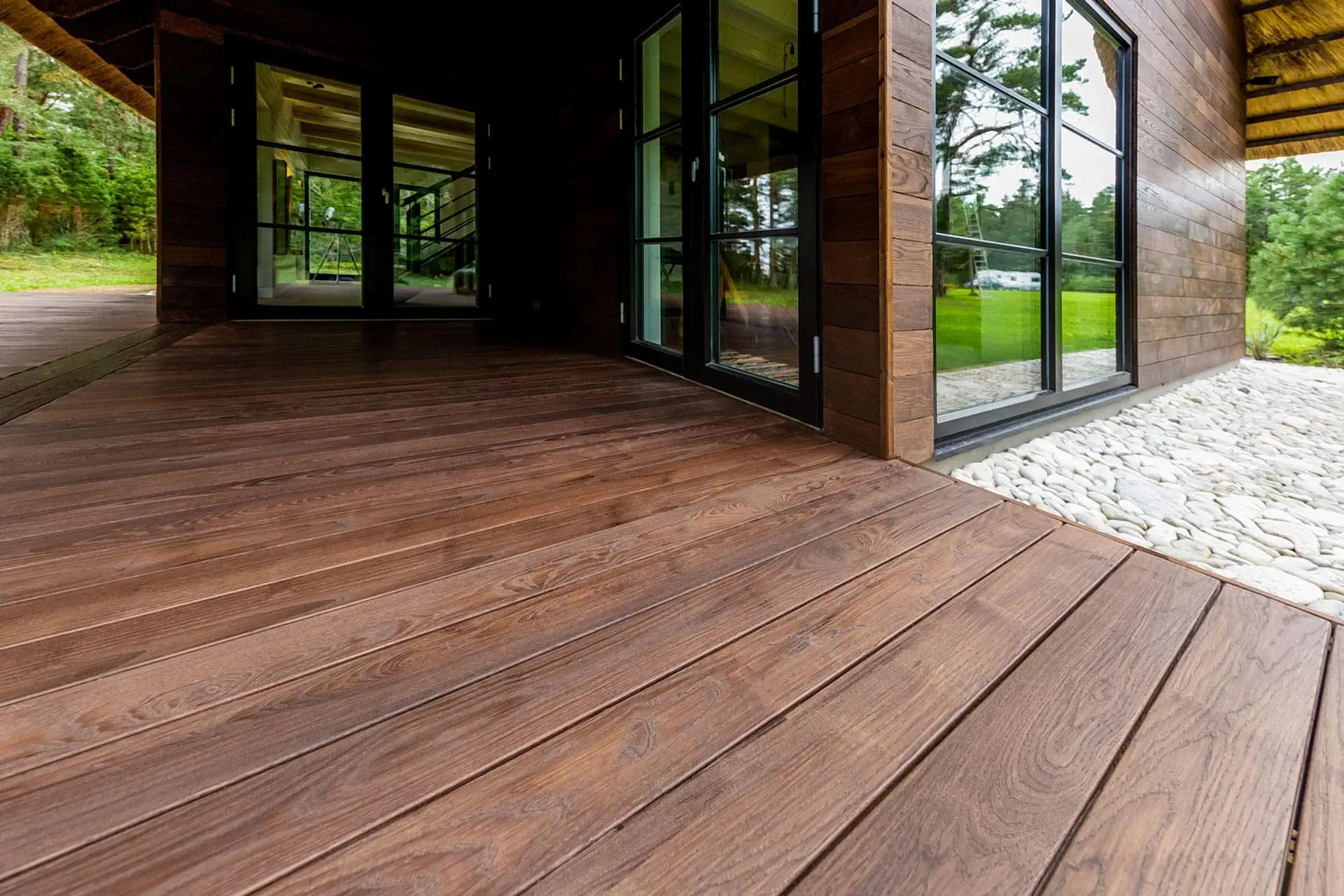
Thermally modified timber offers an alternative to traditionally treated wood.
Products such as Thermory decking and cladding are heated at high temperatures to improve their structure, without relying on chemical preservatives. The result is a timber that’s well-suited to external applications where changing weather conditions are a consideration.
Composite Materials
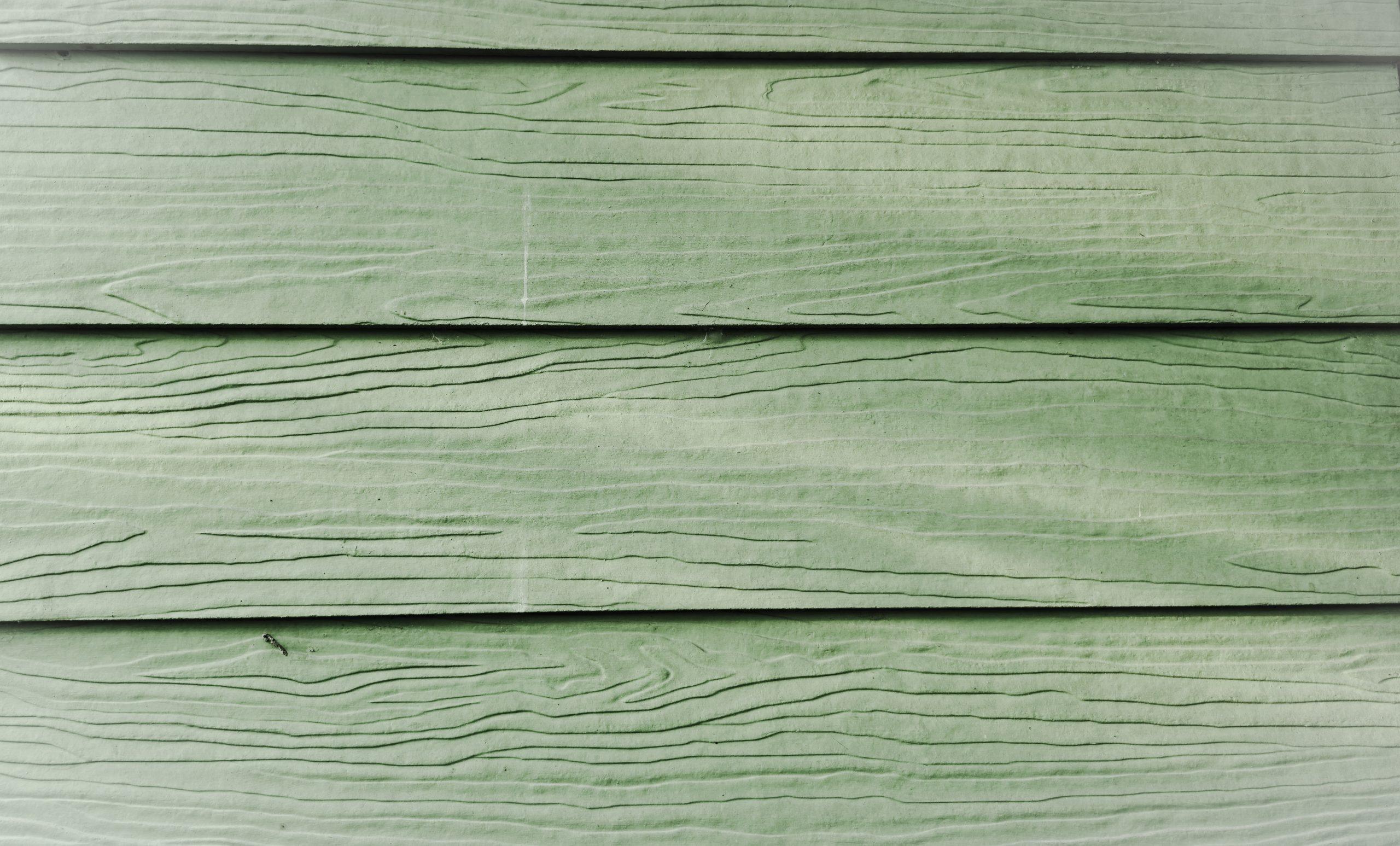
Composite materials combine recycled wood fibres with polymers to create products that are ideal for outdoor environments. They’re widely used for decking and cladding, offering a consistent appearance with minimal ongoing maintenance.
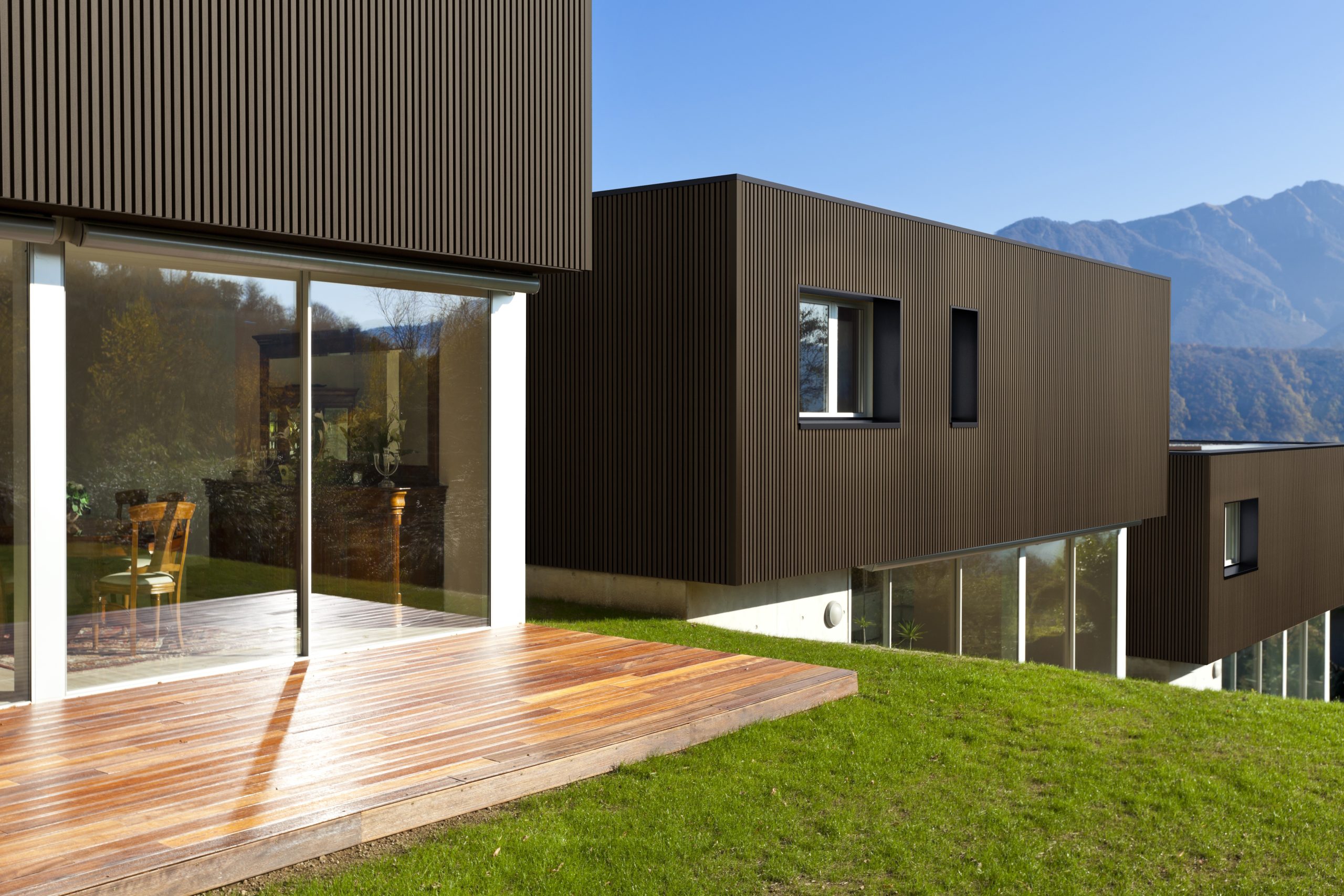
Unlike natural timber, composite boards won’t develop knots or natural grain variation, making them a popular choice for projects where a more uniform finish is preferred.
As with any material, composite has characteristics that make it better suited to certain applications than others.
Corten Steel
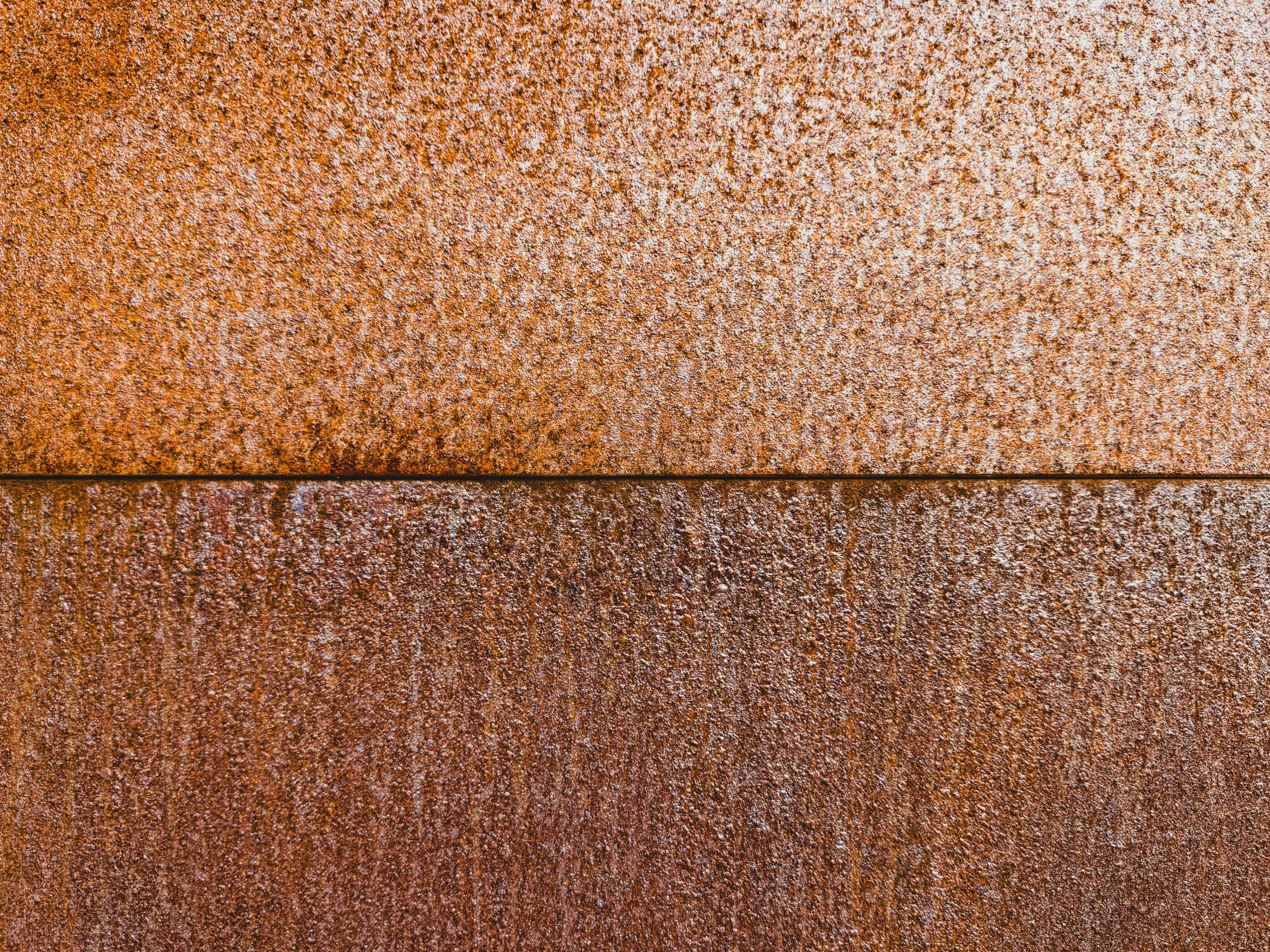
Corten steel is a weathering steel that develops a rich, rust-coloured patina when exposed to the elements. Unlike ordinary steel, this outer layer acts as a protective barrier, slowing further corrosion and helping the material withstand years of outdoor use with very little maintenance.
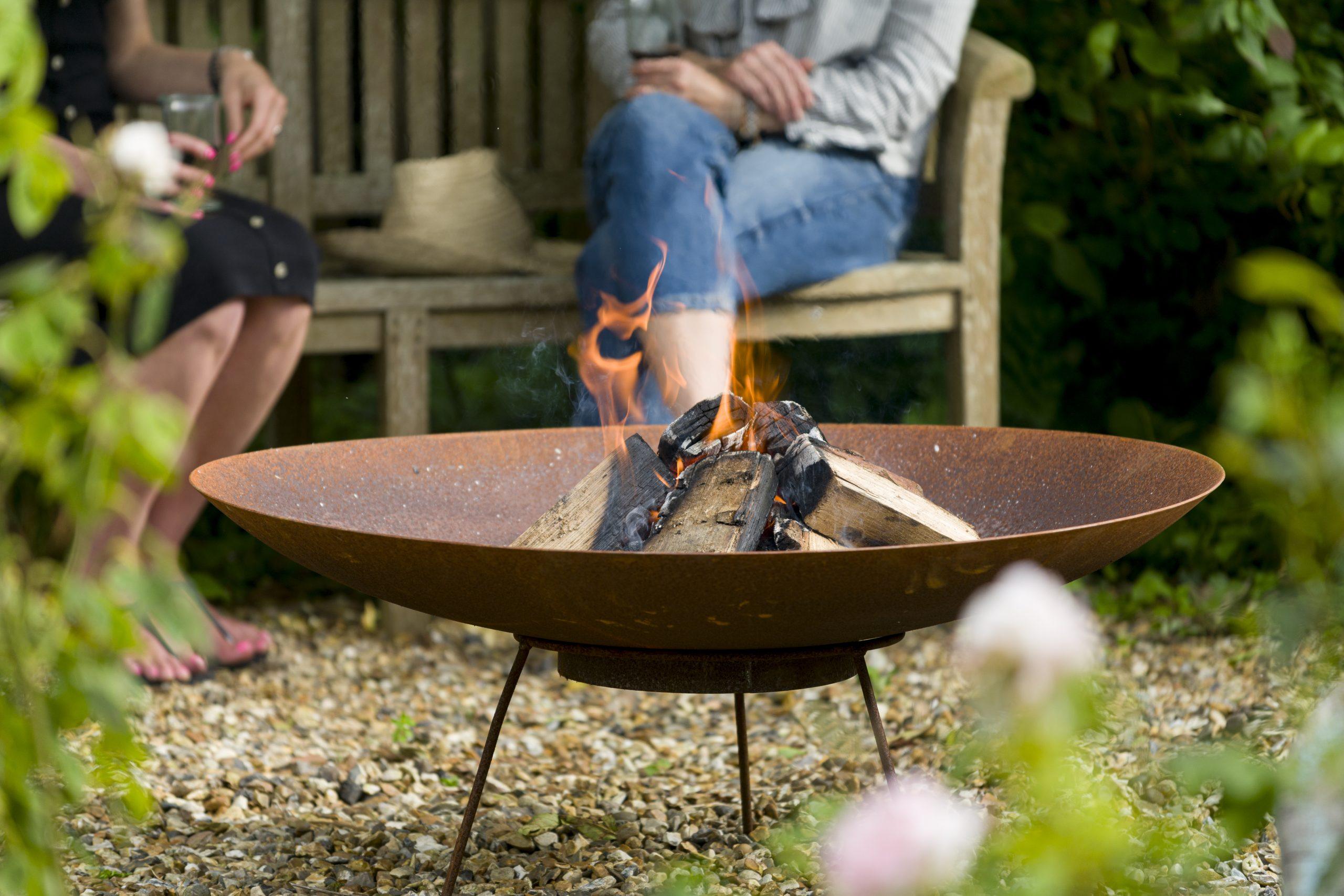
Its distinctive appearance has made corten steel a popular choice in contemporary landscaping, where it provides a striking contrast to timber, planting, and natural stone. We use corten across a wide range of products, including planters, edging, water features, fire pits, decorative screens, and retaining walls.
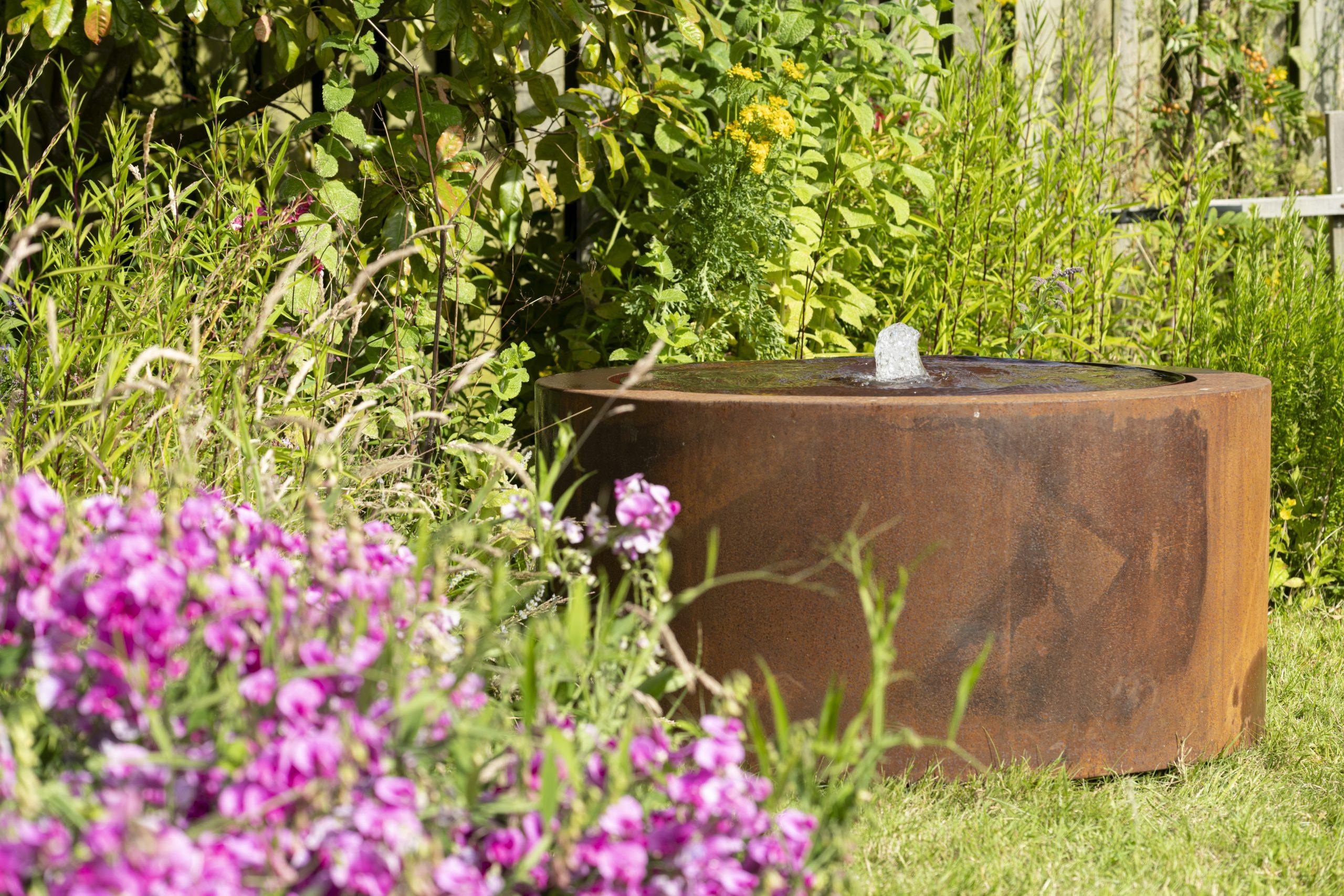
Although its appearance changes as the patina develops, this is a natural part of the weathering process rather than a sign of deterioration. For many projects, corten steel is a material that holds its own and has inherent visual interest, making it equally at home in modern gardens and more traditional landscapes.
Stone, Terracotta & Ceramics
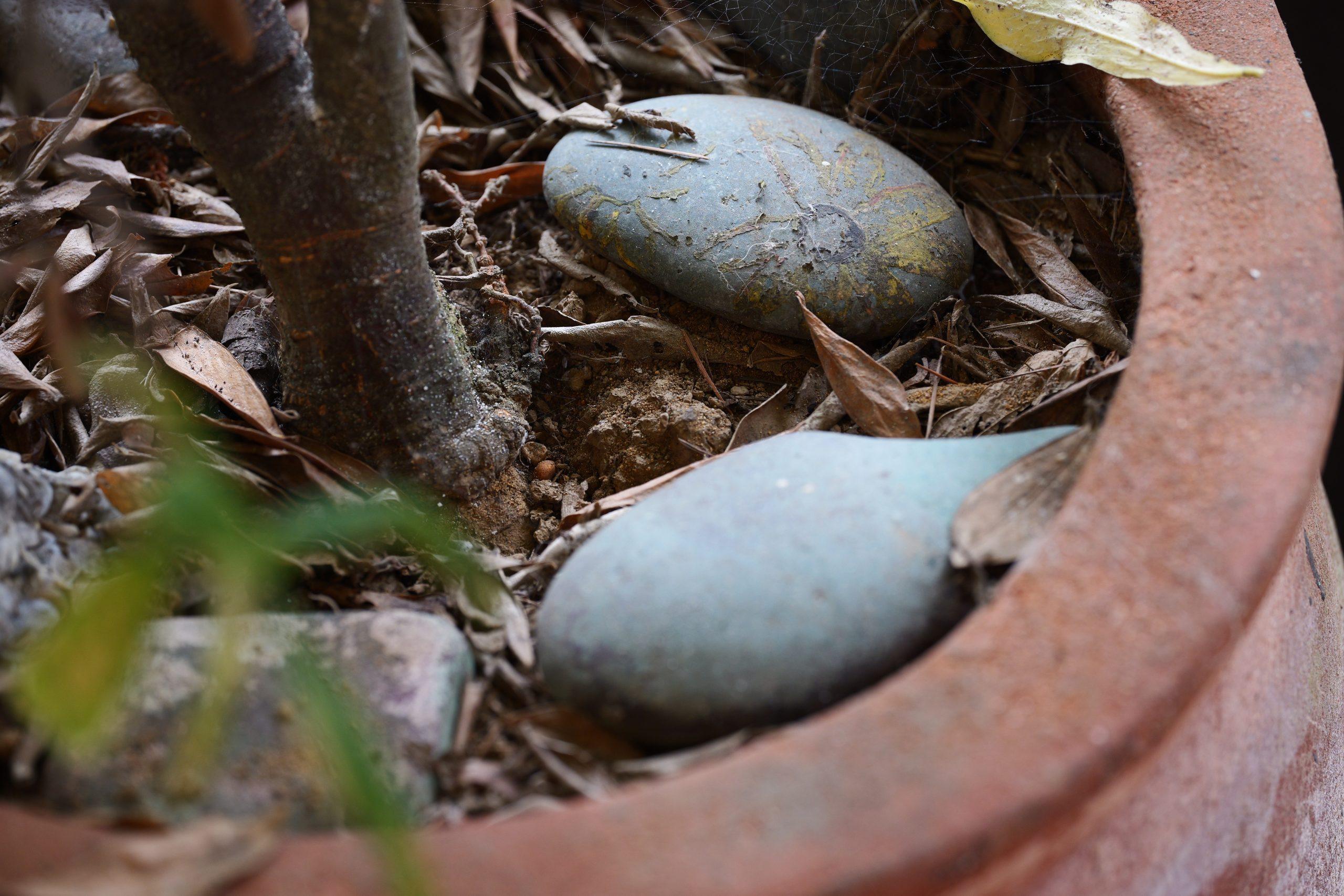
Each brings a different essence to an outdoor space. From substantial stone fountains and ornaments to handcrafted terracotta pots and glazed ceramic planters, these materials can complement both traditional gardens and contemporary lookbooks.
- Natural stone is valued for its permanence, making it suitable for larger features that are intended to become lasting focal points.
- Terracotta offers a warmer, more rustic appearance and develops additional character as it weathers.
- Ceramic planters are available in a wide range of colours and finishes, giving greater flexibility where a cleaner or more decorative look is preferred.
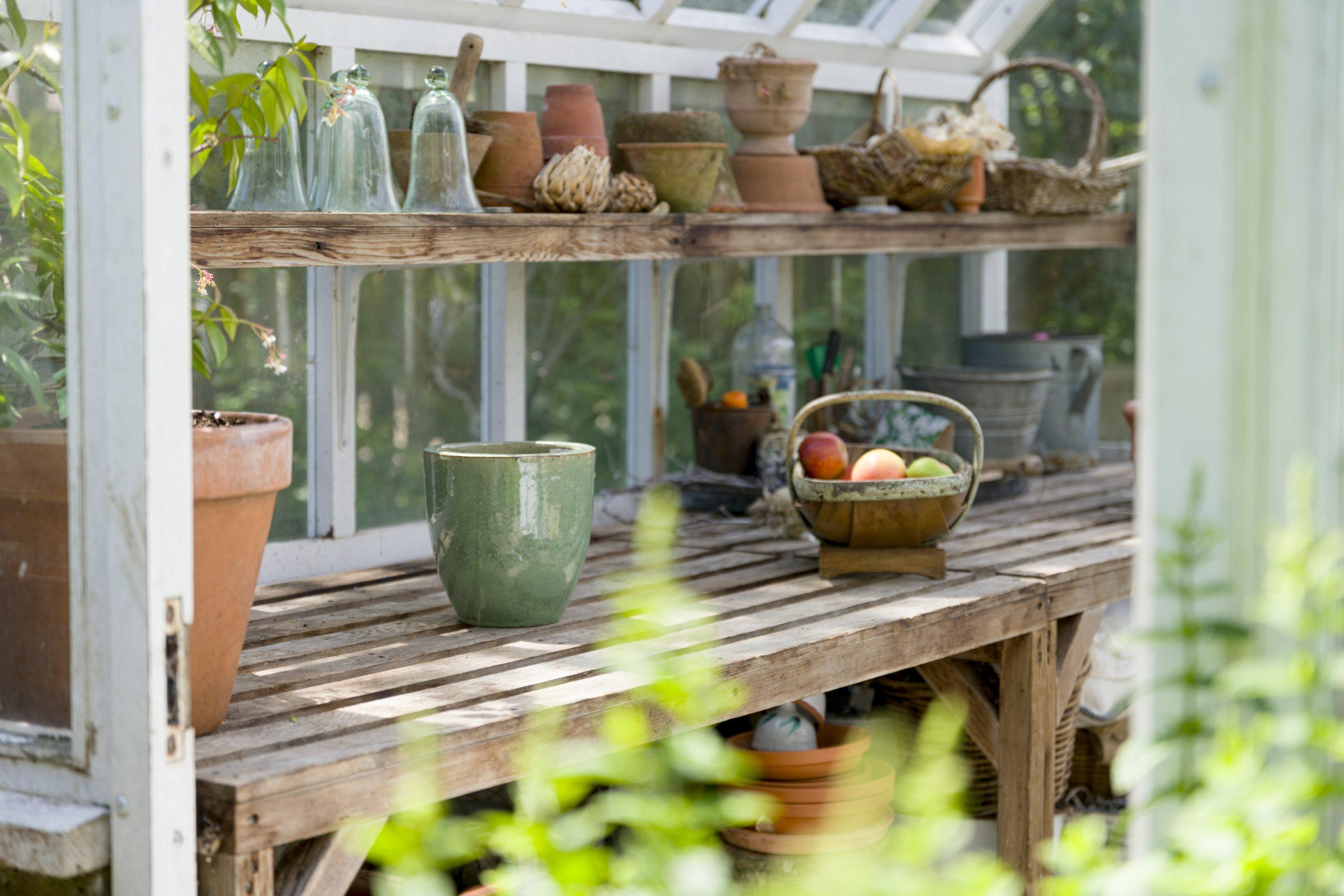
Weight, maintenance, and exposure to the elements are all worth considering, too, before making a choice.
Cast Iron & Metal Garden Features
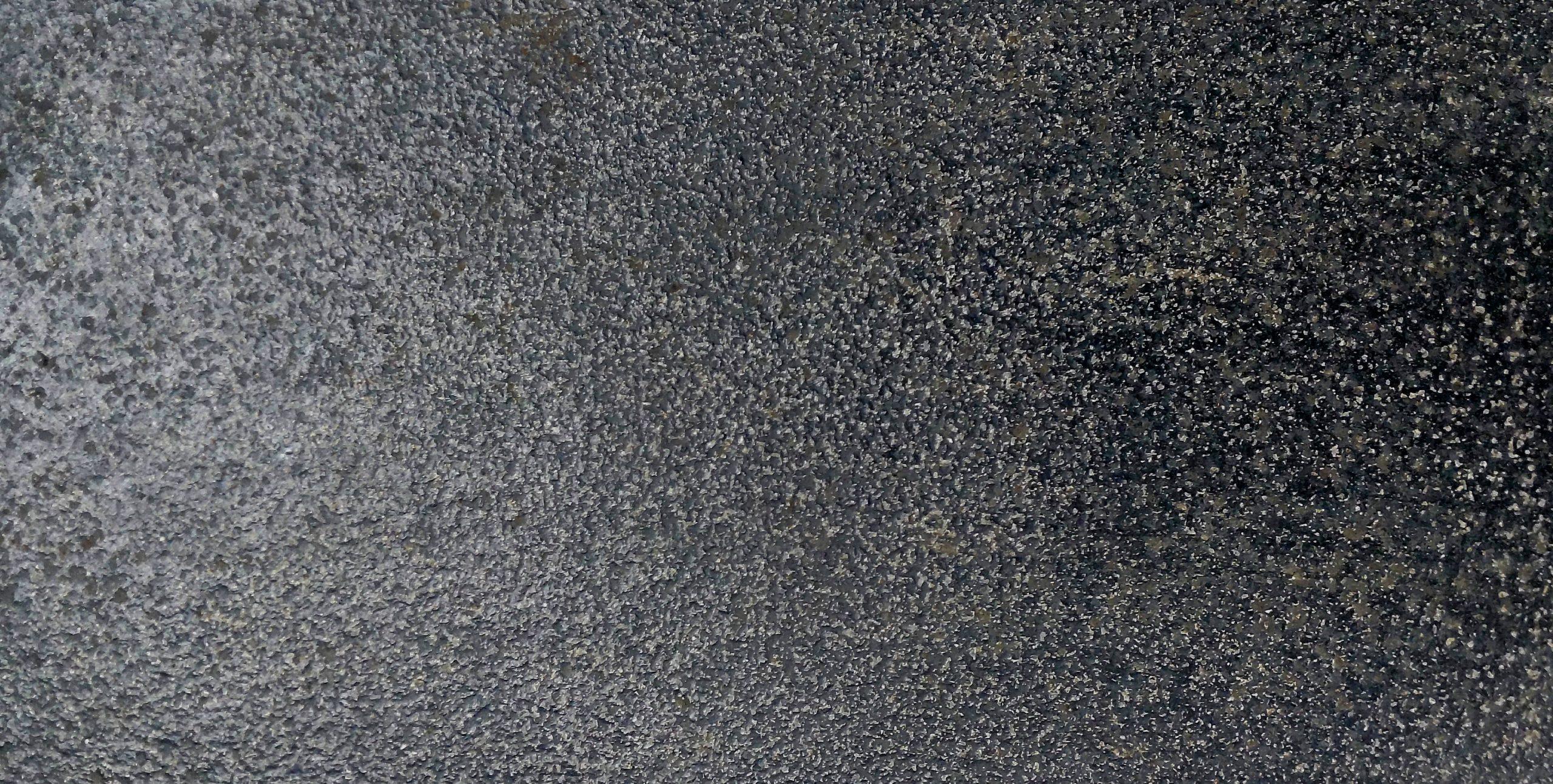
Various types of metal have long been used to add structure to outdoor spaces.
- Cast iron remains a popular choice for traditional benches, statues, urns, and decorative ornaments thanks to its timeless appearance.
- Aluminium offers a lighter alternative, making it an excellent material for contemporary garden furniture and larger features that need to be moved more easily.
- Stainless steel is often chosen for modern sculptures and decorative pieces, where its clean finish complements contemporary landscapes.
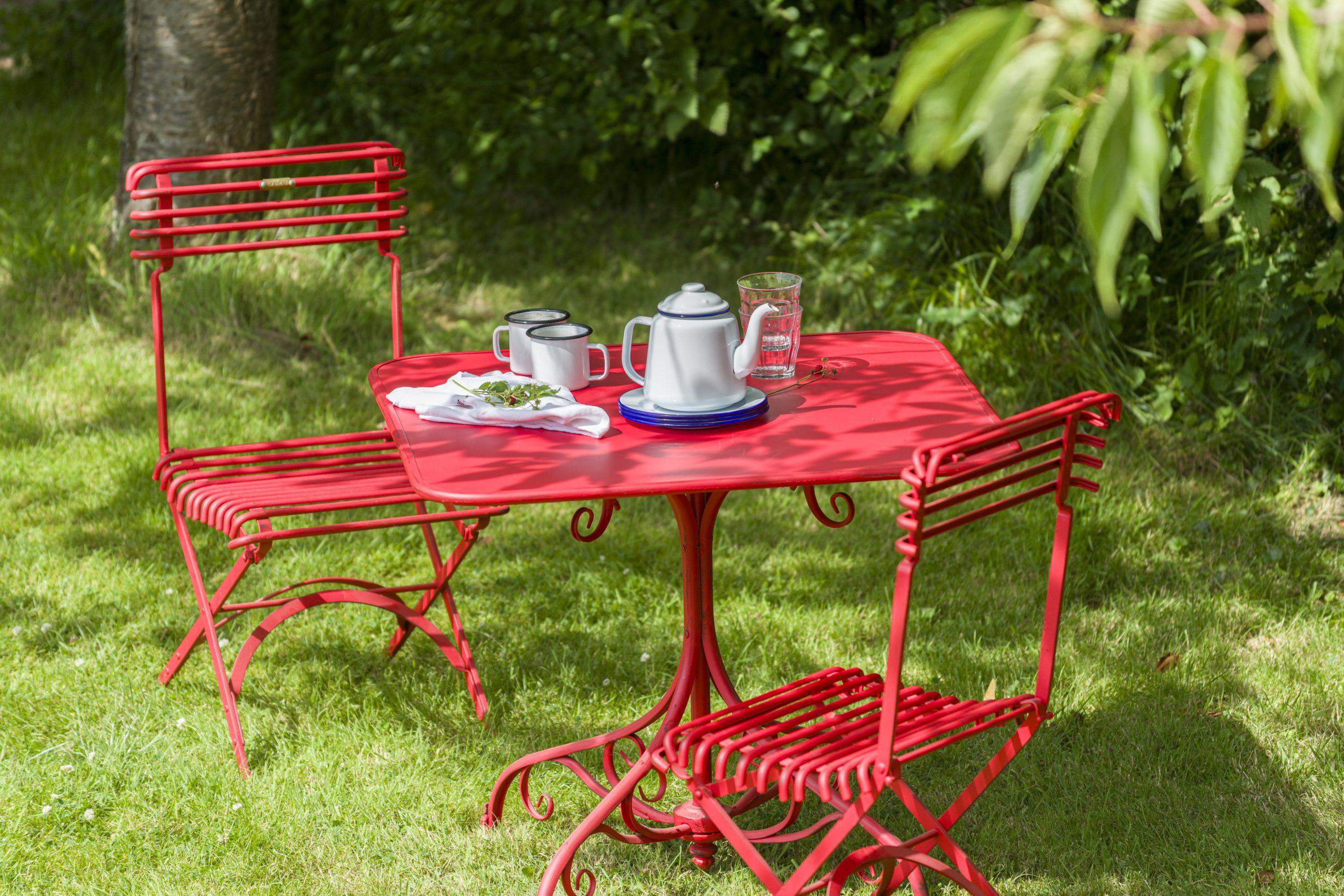
With the right care, metal garden features can provide lasting interest for many years.
Choosing the Right Material for Different Projects
Every project has different requirements, so as a general guide, we would recommend the following:
| Project Type | Best Material |
| Building a timber frame | English oak remains the traditional choice, since it is time-honoured in its craftsmanship and more sustainable to source. |
| Exterior cladding | Hardwoods, softwoods, thermally modified timber, and composite cladding all offer different benefits, depending on the look you’re aiming to achieve and the level of maintenance you’re comfortable with. |
| Decking | Timber provides a natural finish that develops character over time, while composite offers a more uniform appearance with minimal upkeep. |
| Garden planters | Materials such as corten steel, terracotta, ceramic, stone, and fibrestone each create a different effect and suit different planting styles. |
| Water features | Natural stone creates a wonderful focal point, while corten steel and ceramic designs can bring more of an artistic flair. |
| Garden seating | Oak, cast iron, and aluminium each offer a distinctive style, from traditional benches to modern outdoor furniture. |
| Structural landscaping | Oak sleepers, beams, and corten steel retaining walls provide durable solutions for shaping outdoor spaces. |
| Decorative landscaping | Sculptures, ornaments, edging, and statement planters can all be used to introduce texture and contrast. |
Taking the time to match the material to the project will help ensure the finished result looks as it should from day one, and then continues to perform long after.
Weathering, Ageing & Maintenance
Most natural materials change over time, and understanding those changes helps you choose the right product for your project.
- Oak and other hardwoods gradually weather to a silvery-grey if left untreated.
- Corten steel develops its distinctive protective patina as it ages.
- Terracotta also gains character through exposure to the elements, with subtle variations in colour developing over time.
- Composite products behave differently, with colours typically stabilising after an initial period outdoors.
Every material has its own maintenance requirements. Some benefit from occasional cleaning or treatment, while others are designed to weather naturally with very little intervention. Knowing what to expect from the outset will help you enjoy your chosen material for many years to come.
Sustainability & Responsible Material Choices
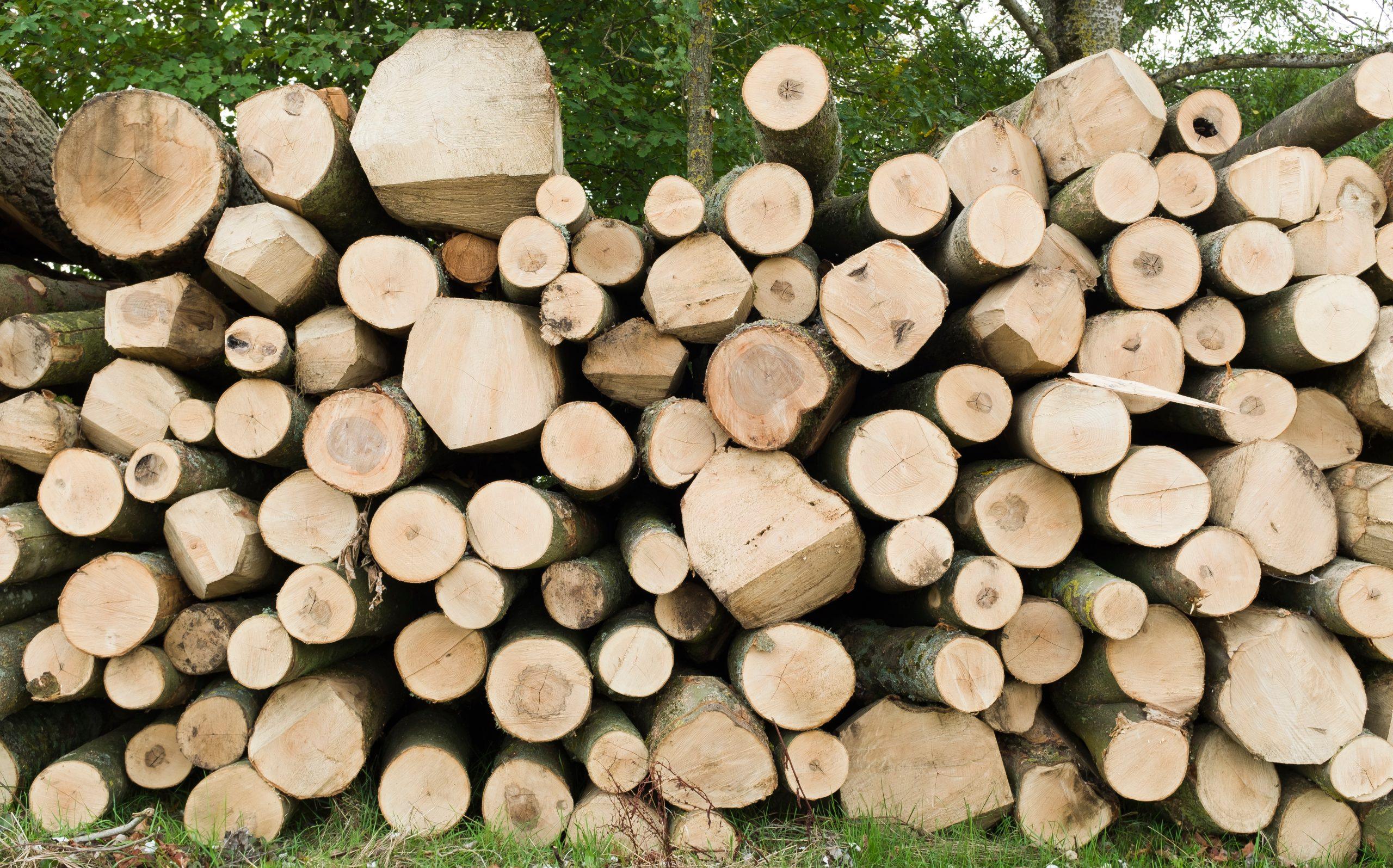
Making a sustainable choice starts with selecting materials that are right for the job and made to last. Responsibly-sourced timber remains an excellent renewable option, while durable materials that can be repaired, refinished, or enjoyed for many years may reduce the need for replacement.
Some materials can also be recycled at the end of their working life, depending on the product and local facilities.
Looking beyond the initial purchase and considering the whole lifespan of a material will help you make a more informed decision.
Why Choose Round Wood?

For decades, we’ve worked with some of the finest natural materials available, supplying everything from oak-framed buildings and structural timber to decking, flooring, planters, and garden features.
Our team offers useful and straightforward advice to help you choose the best material for your purposes, with nationwide delivery and samples available across selected ranges.
CONTACT US FOR MORE MATERIAL ADVICE
Frequently Asked Questions
What is the strongest timber?
Different timbers are suited to different applications, but oak is widely recognised for its strength and structural performance.
Which timber lasts longest outdoors?
Naturally durable hardwoods such as oak, Ipe, and Cumaru are all well-suited to external use when specified correctly.
Is hardwood always better than softwood?
No. Both have their strengths, and the right choice depends on the project.
Does oak need treating?
Not always. Many oak structures are left to weather naturally, although treatments may be used to achieve a particular appearance.
What is green oak?
Green oak is freshly sawn timber that retains its natural moisture content, making it ideal for structural framing.
What is air-dried oak?
Air-dried oak has been seasoned over time to reduce its moisture content and improve stability.
Does corten steel stop rusting?
It develops a protective surface layer that slows further corrosion under normal conditions.
Are composite materials environmentally friendly?
Many composite products contain recycled materials, although sustainability depends on the product and manufacturer.
Which material requires the least maintenance?
Composite and corten steel generally require very little routine maintenance compared with many natural materials.
Which material is best for the British weather?
Many materials perform well outdoors in the UK when they’re chosen for the right application and installed correctly.
Can different materials be combined?
Yes. Timber, stone, corten steel, and ceramics are often combined to create contrast and aesthetic uplift.
Is natural timber sustainable?
Responsibly-sourced timber is a renewable material and can be an excellent long-term choice.
Which material is best for garden planters?
That depends on the style of your garden and the planting scheme. Corten steel, terracotta, stone, ceramic, and fibrestone all offer different qualities.
Does timber change colour over time?
Yes. Exposure to sunlight and the weather naturally changes the colour of most timber species.
What material is best for an oak-framed building?
English oak remains the traditional choice, valued for its resilience and natural character.
Get a Quote
Looking for advice or have a question? Fill out our quick form below and we'll put you in touch with the right person in our team! We'll get back to you by the end of the next working day.

