
Garden & Outdoor Living Guide
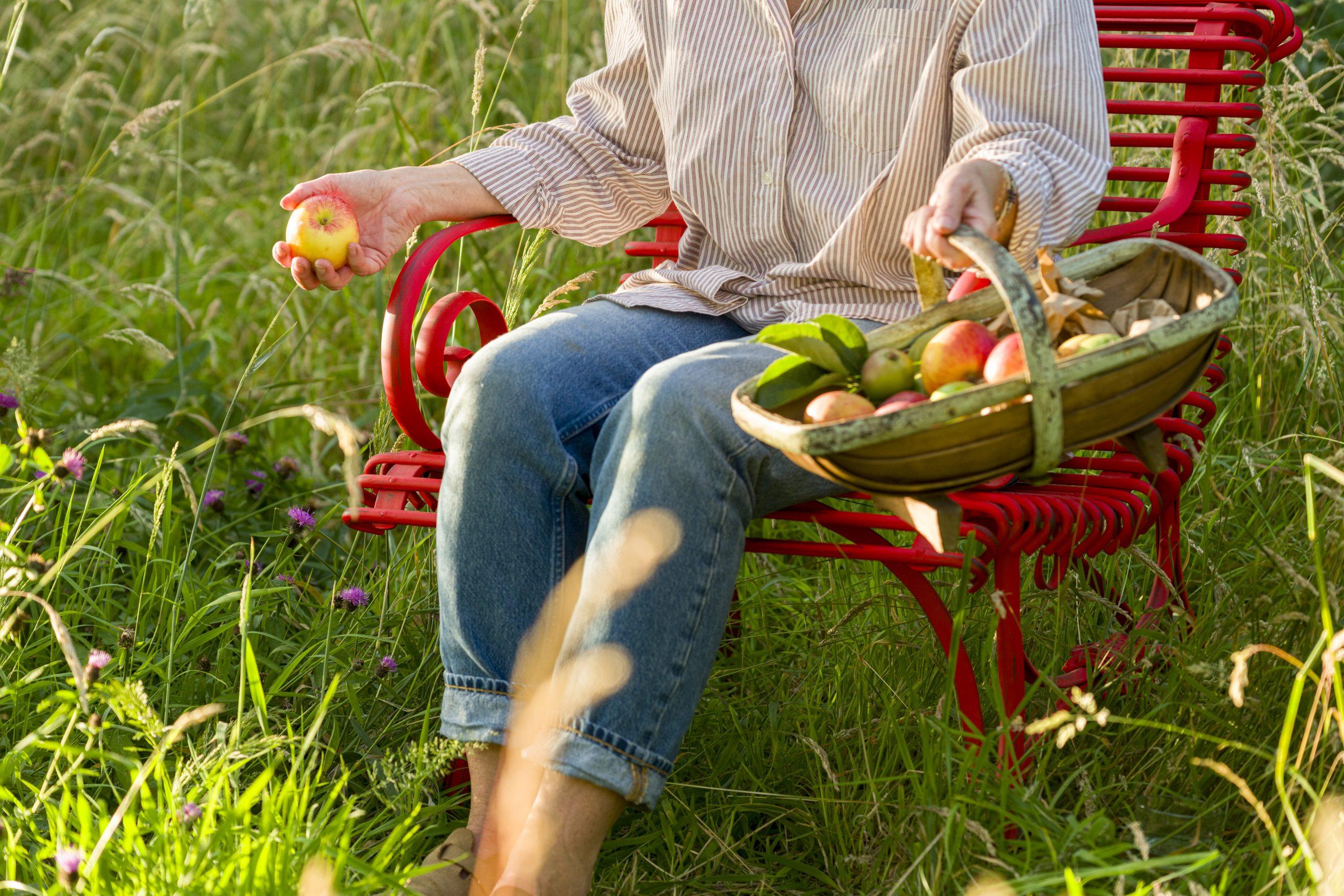
A well-designed garden invites you outside. It might be somewhere to enjoy a quiet morning coffee, share a meal with friends, or simply slow down at the end of the day. The features you choose help shape how the space feels and how you use it throughout the year.
This guide brings together ideas and inspiration to help you create a garden that reflects your home, your lifestyle, and your own sense of style.
Rethinking the Garden
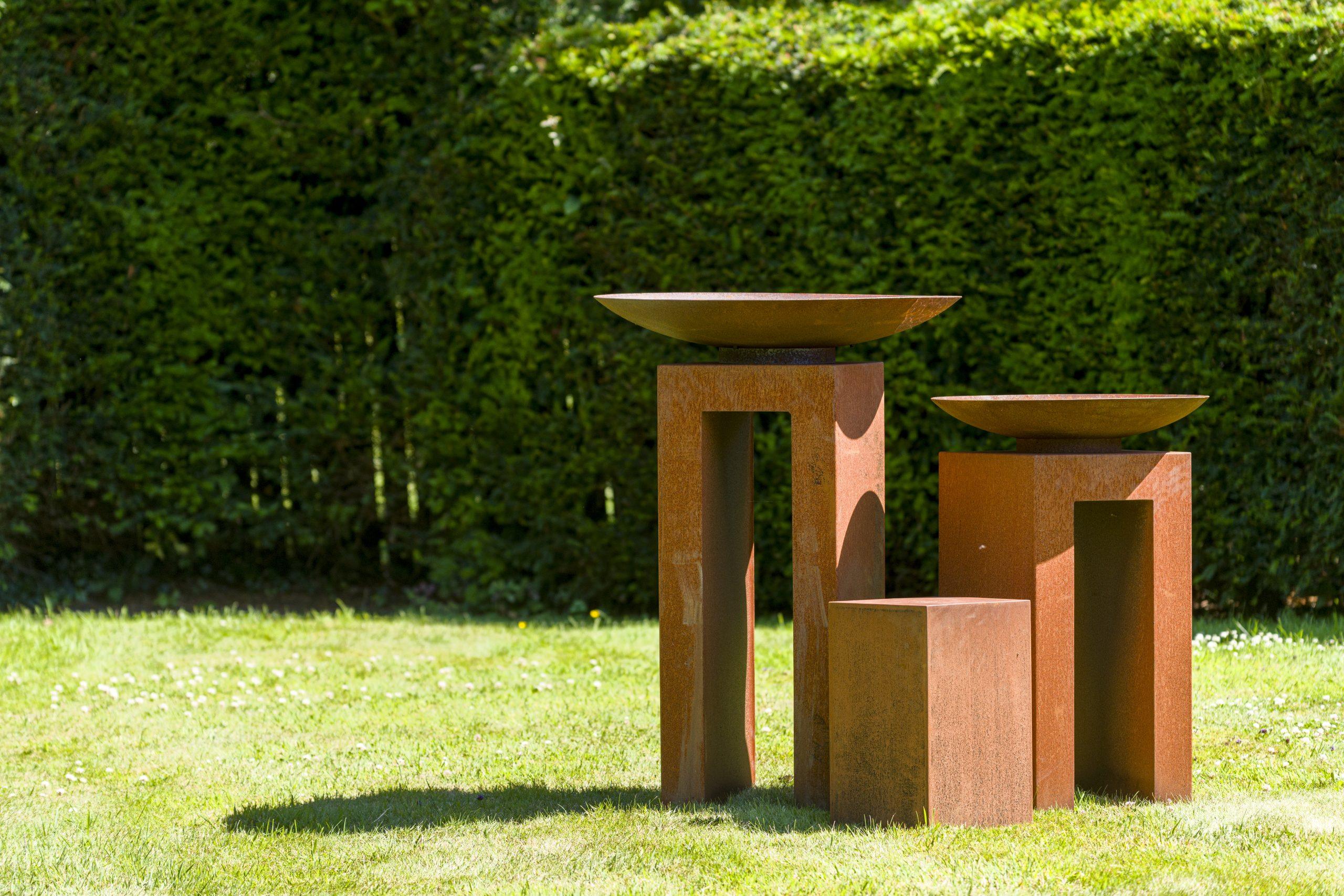
People expect more from their gardens than they once did. A lawn and a few borders are often just the starting point. Today, outdoor spaces are somewhere to gather friends around a fire pit, enjoy a quiet evening after work, or watch children play while lunch is cooking indoors.
The best gardens rarely rely on a single feature. Instead, they bring together thoughtfully planned and well-defined additions – for example, a statement planter or a bench beneath a favourite tree. Anything that works to give a garden its own character without making it feel overdesigned.
Start with the Structure
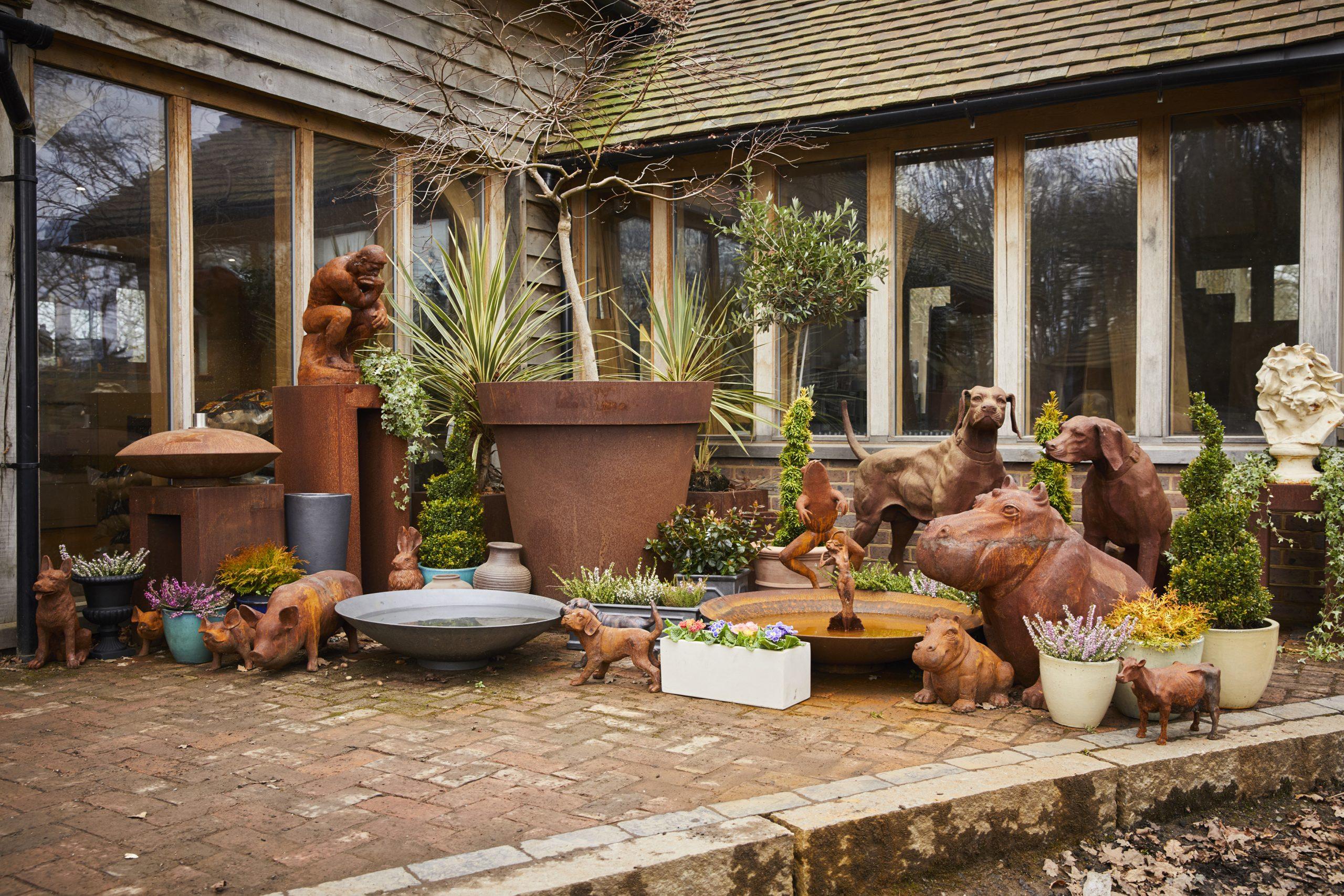
Every successful garden begins with a clear framework. Before choosing furniture, planters, or decorative features, it’s worth thinking about how the space will be used and how people will move through it.
Patios provide places to sit and gather, while lawns create breathing space between different areas. Pathways encourage visitors to explore, and planting beds soften hard landscaping with colour and texture. Even subtle changes in level can help define separate areas without the need for walls or fencing.
Once the main structure is in place, it’s much easier to introduce focal points that feel considered rather than incidental. A well-positioned planter can draw the eye along a path, a water feature can bring movement into a quiet corner, and a carefully chosen statue can add interest where the garden needs it most.
BROWSE STATUES FOR ANY OCCASION
Creating Focal Points
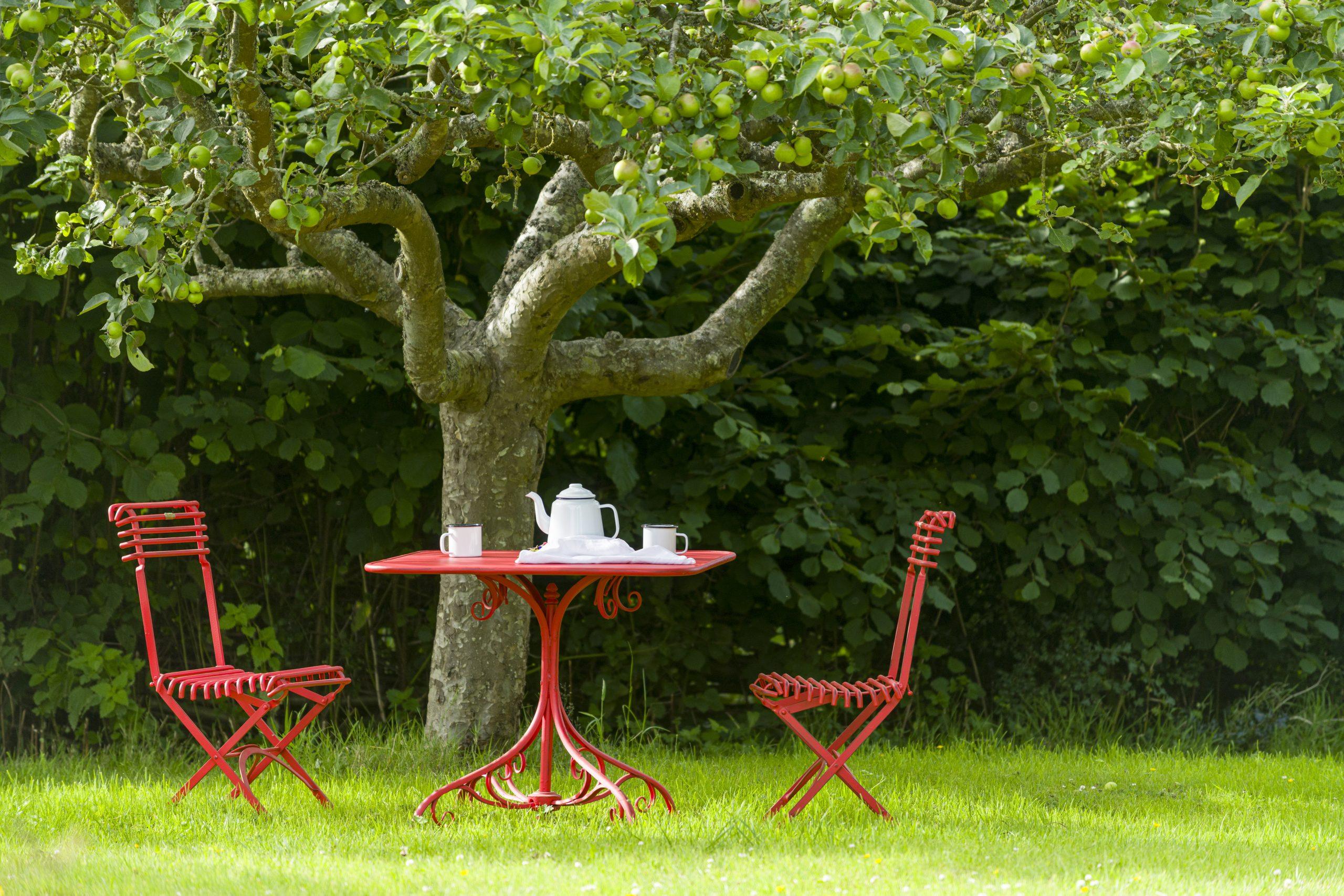
Every memorable garden has something that catches your attention. It doesn’t need to be large or elaborate, but it should feel like it belongs in the space and give the eye somewhere to pause.
- A mature specimen tree often becomes the natural centrepiece, changing with the seasons and anchoring the surrounding planting. Elsewhere, a sculptural planter can frame an entrance or mark the transition between different areas of the garden.
- Water features introduce movement and sound, encouraging people to slow down and spend longer outdoors, while statues can provide a sense of history or personality that develops over time.
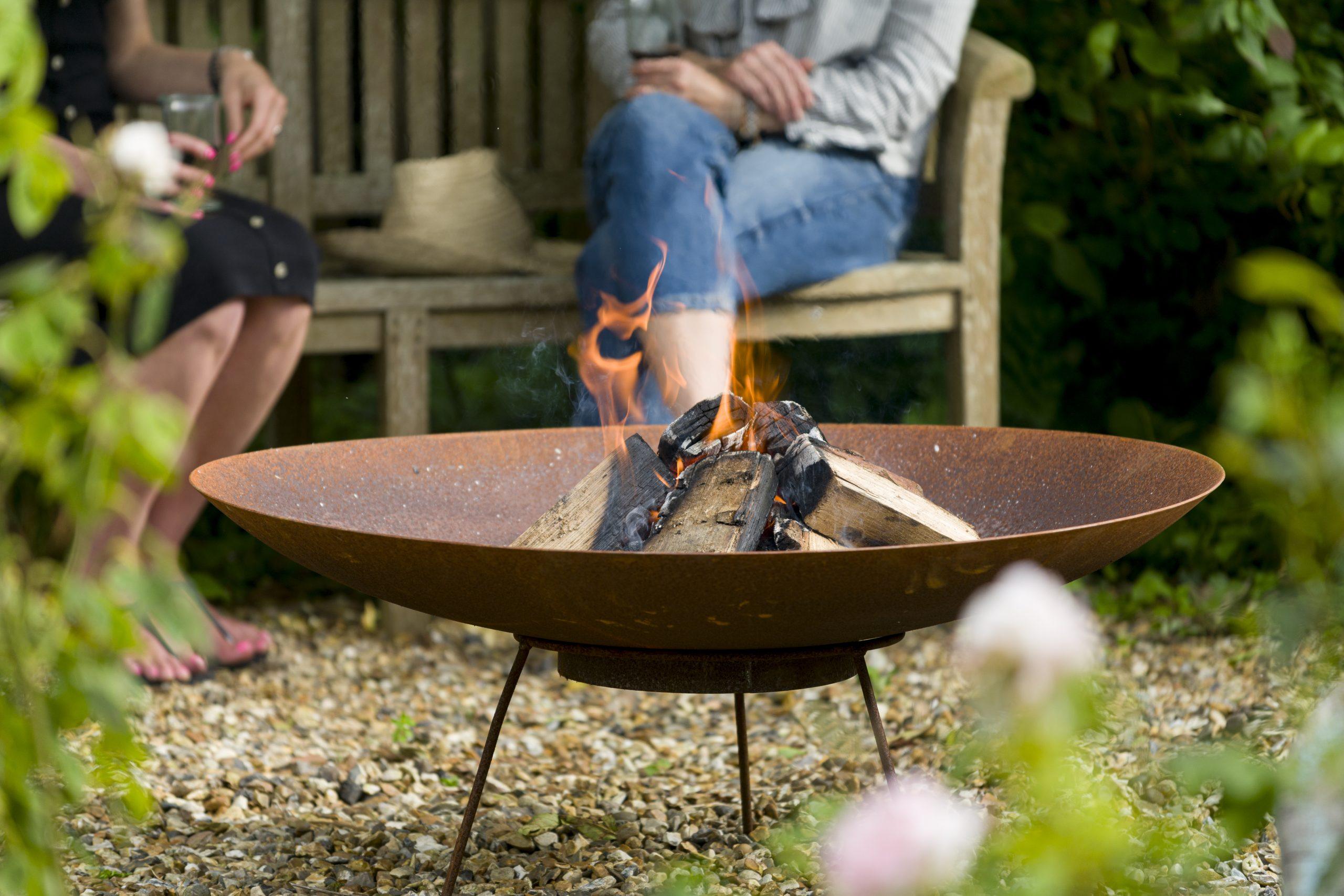
- Fire pits offer a different kind of focal point. During the day, they add structure to a seating area, but as evening approaches, they become a place for people to gather, extending the time spent outside long after the sun has gone down.
Our Top Tip for Garden Decor
Choosing one or two features with purpose is often more effective than filling every corner. Giving each element enough space to be appreciated creates a garden that feels balanced and inviting.
Choosing the Right Planters
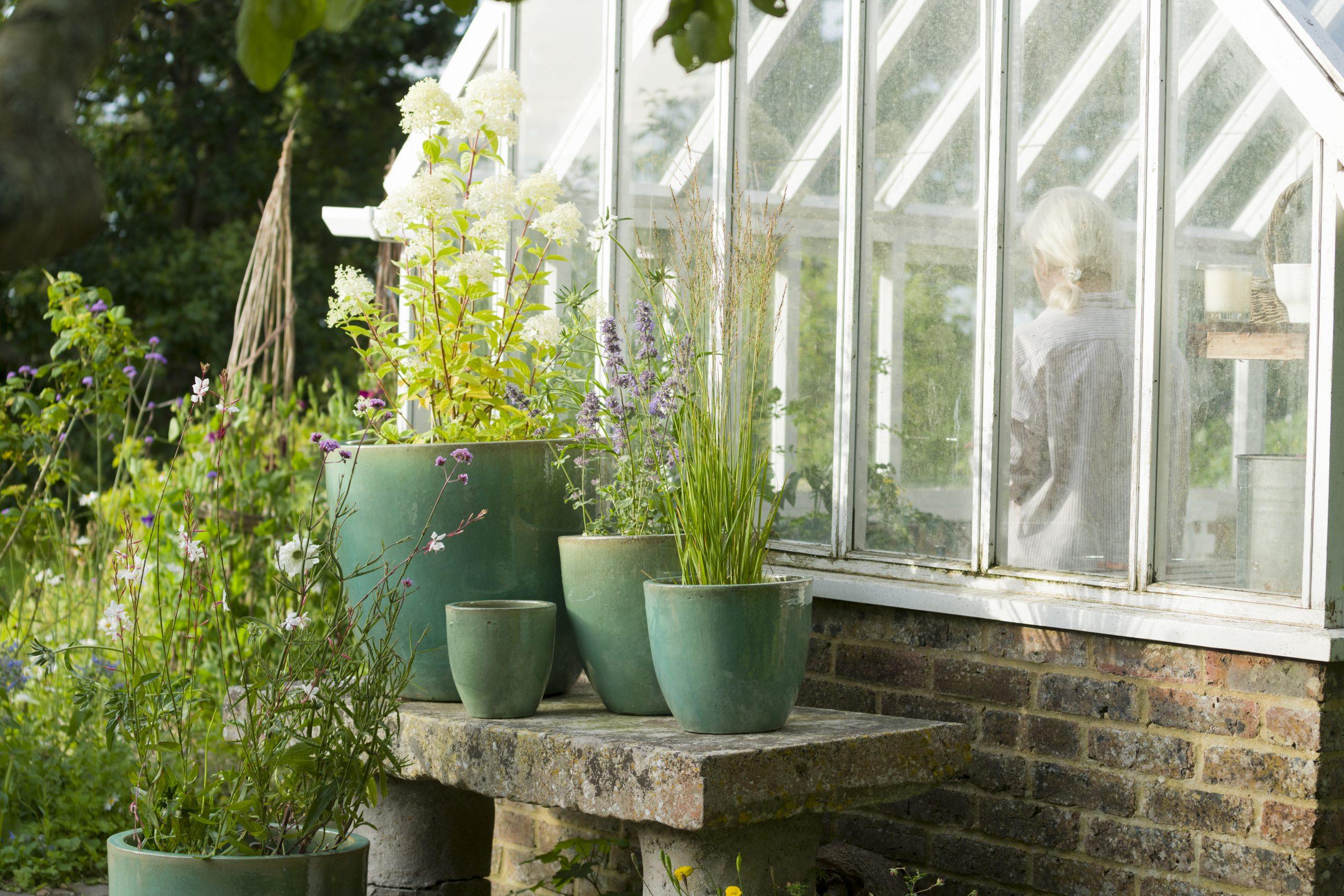
Planters can help shape a garden just as much as the plants they contain.
Scale is often the first consideration. A large planter has the presence to stand alone, while smaller pots usually work best in groups. Looking at the surrounding space will help you decide what feels balanced. A compact courtyard calls for a different approach to a long driveway or an open lawn.
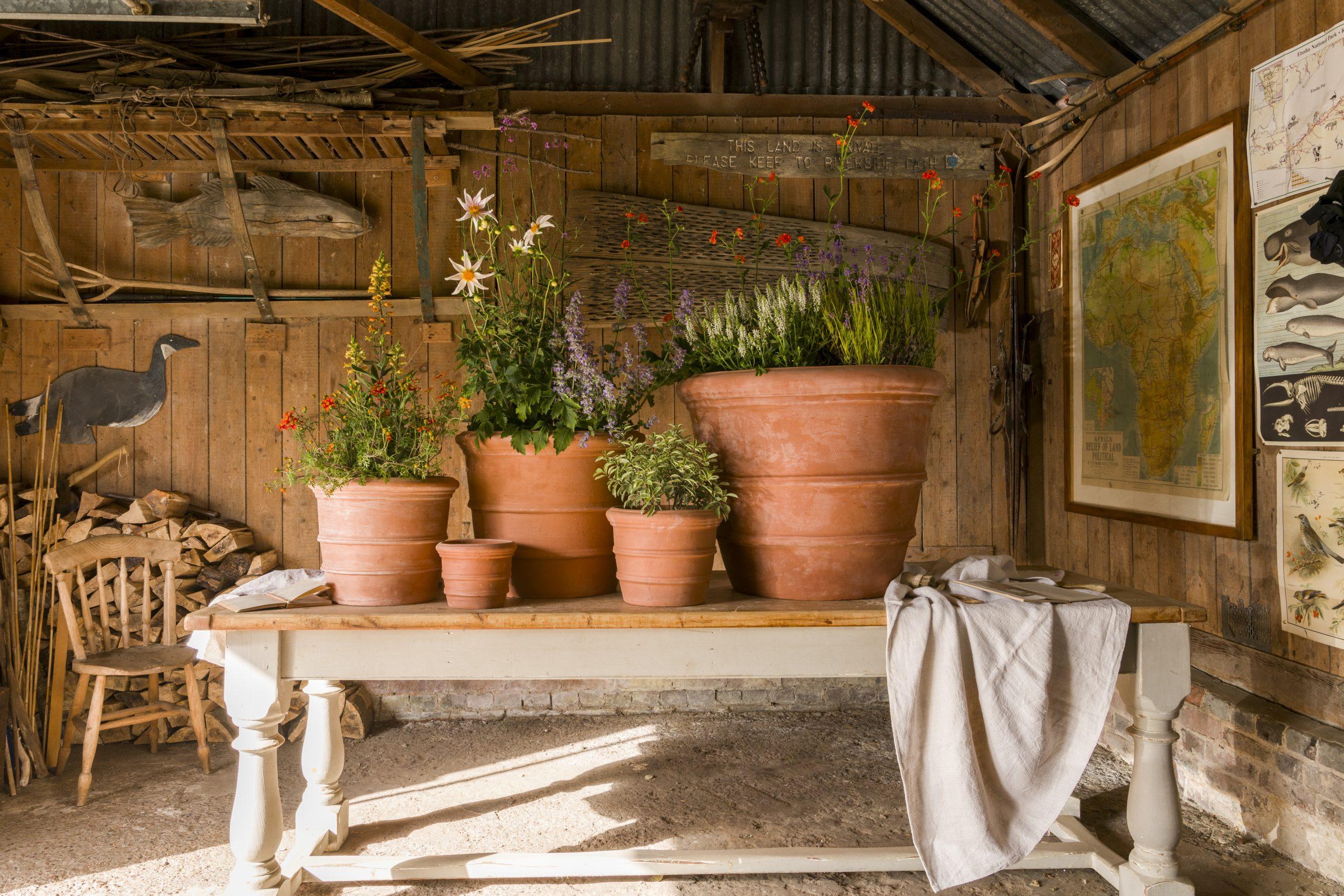
The material also plays its own important part:
- Terracotta suits informal planting and develops character as it weathers.
- Stone has a solid, established feel that works well alongside traditional architecture.
- Corten steel introduces a bold contrast against greenery.
- Glazed ceramics can bring colour into the garden throughout the year.
- Polystone offers the appearance of heavier materials in a lighter container, making it easier to position where weight is a consideration.
Giving as much thought to the planter as the planting itself will create displays that feel settled and in keeping with their surroundings.
FIND MORE POTS & PLANTER TYPES
Outdoor Living Spaces
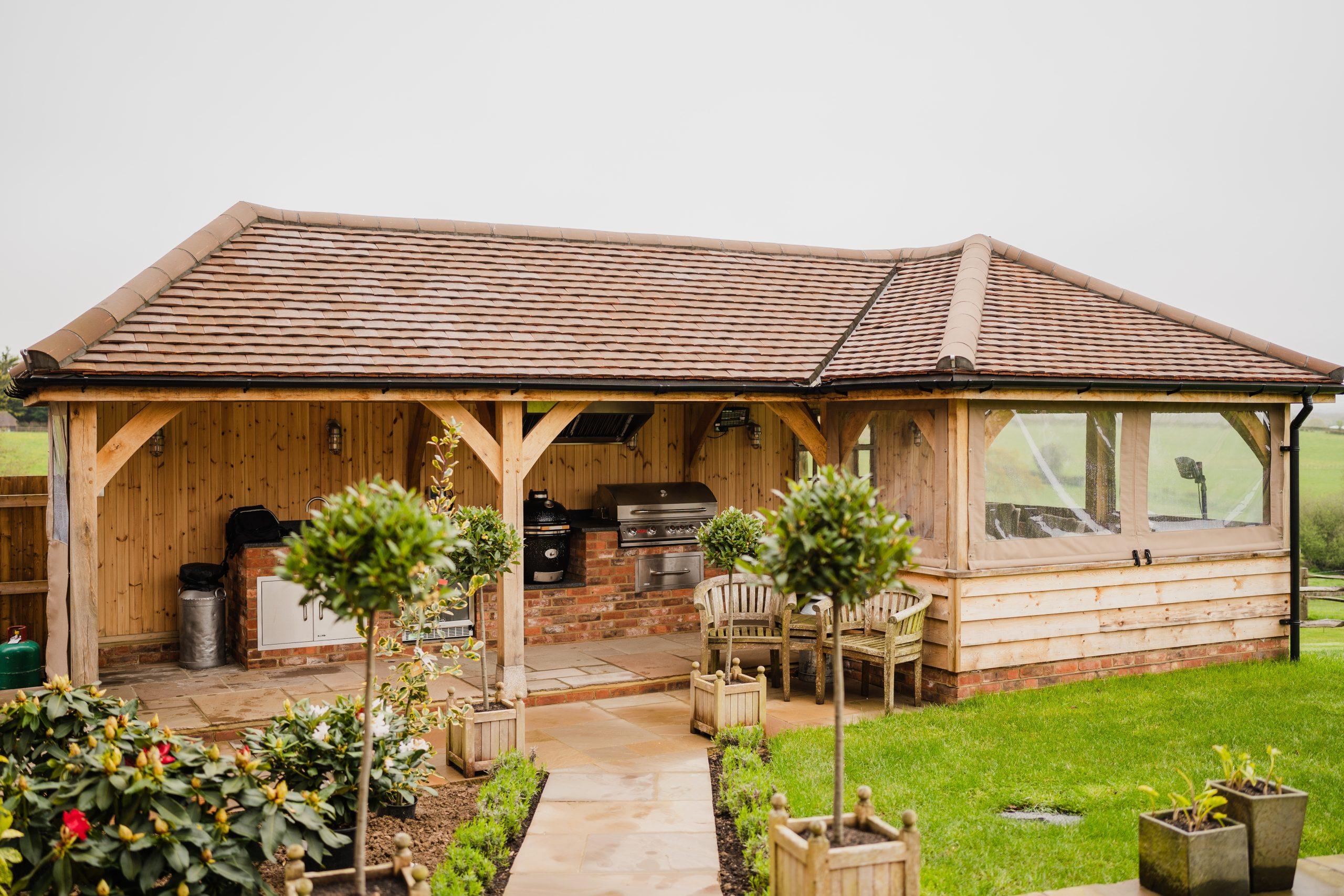
The most enjoyable gardens encourage you to spend time outside without needing a special occasion. It might begin with a coffee on the patio before the day starts, continue with lunch in the sunshine, and end around a fire pit as the evening draws in.
Creating that kind of space doesn’t always require a large garden, either. A comfortable place to sit is often enough to change how an area is used, while a dining table can turn an unused corner into somewhere friends and family naturally gather.
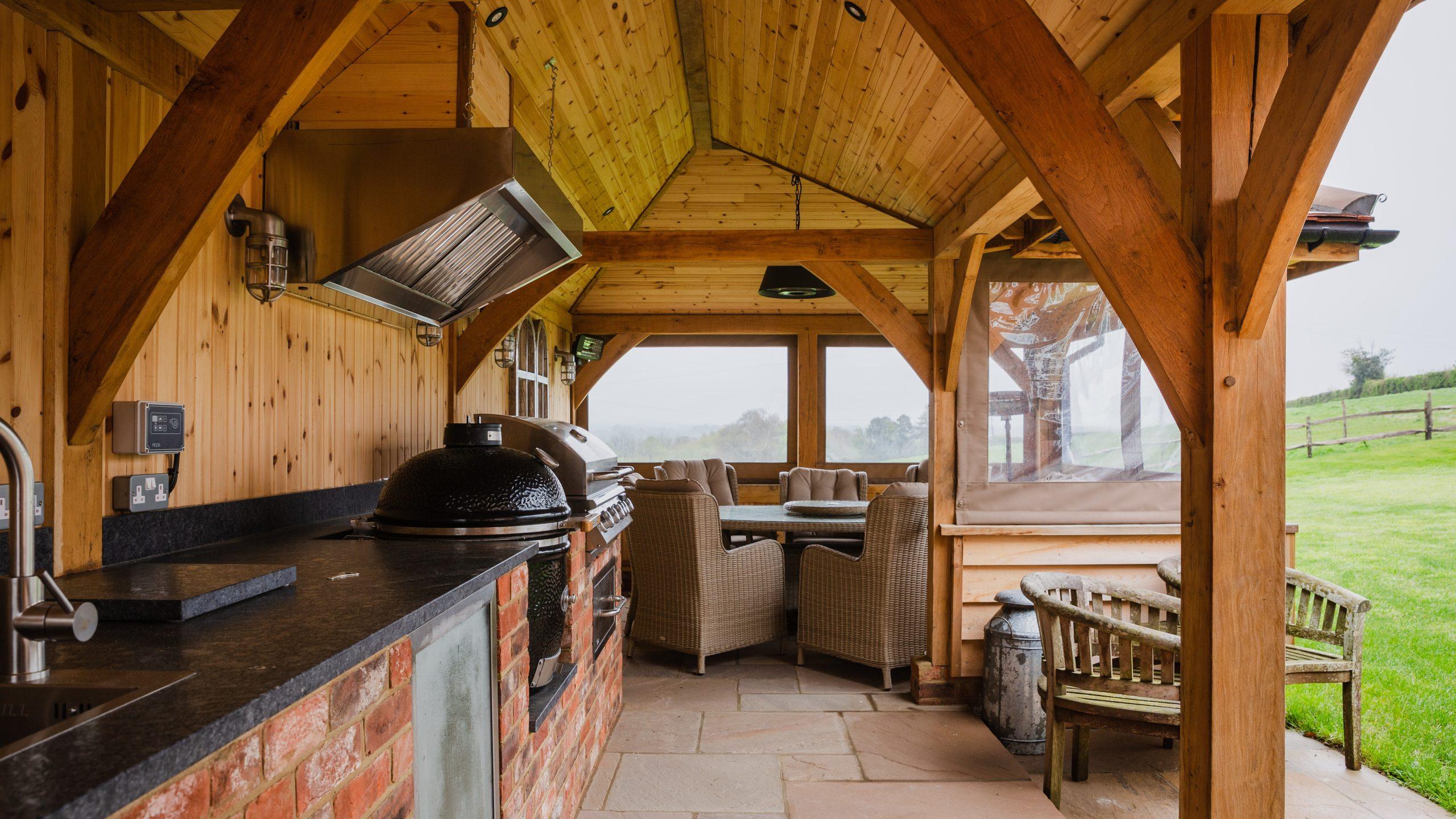
For those who enjoy cooking outdoors, a well-planned kitchen creates another reason to spend time in the garden, particularly during the warmer months.
Lighting also has an important role to play. Rather than dominating the space, it should help extend the evening by picking out paths or seating areas after dark.
Just remember to give your chosen furniture room to breathe, allowing clear routes through the garden, and choosing features that complement the surrounding landscape all contribute to a comfortable environment to spend time in, from the first signs of spring through to late autumn.
Bringing Water into the Garden
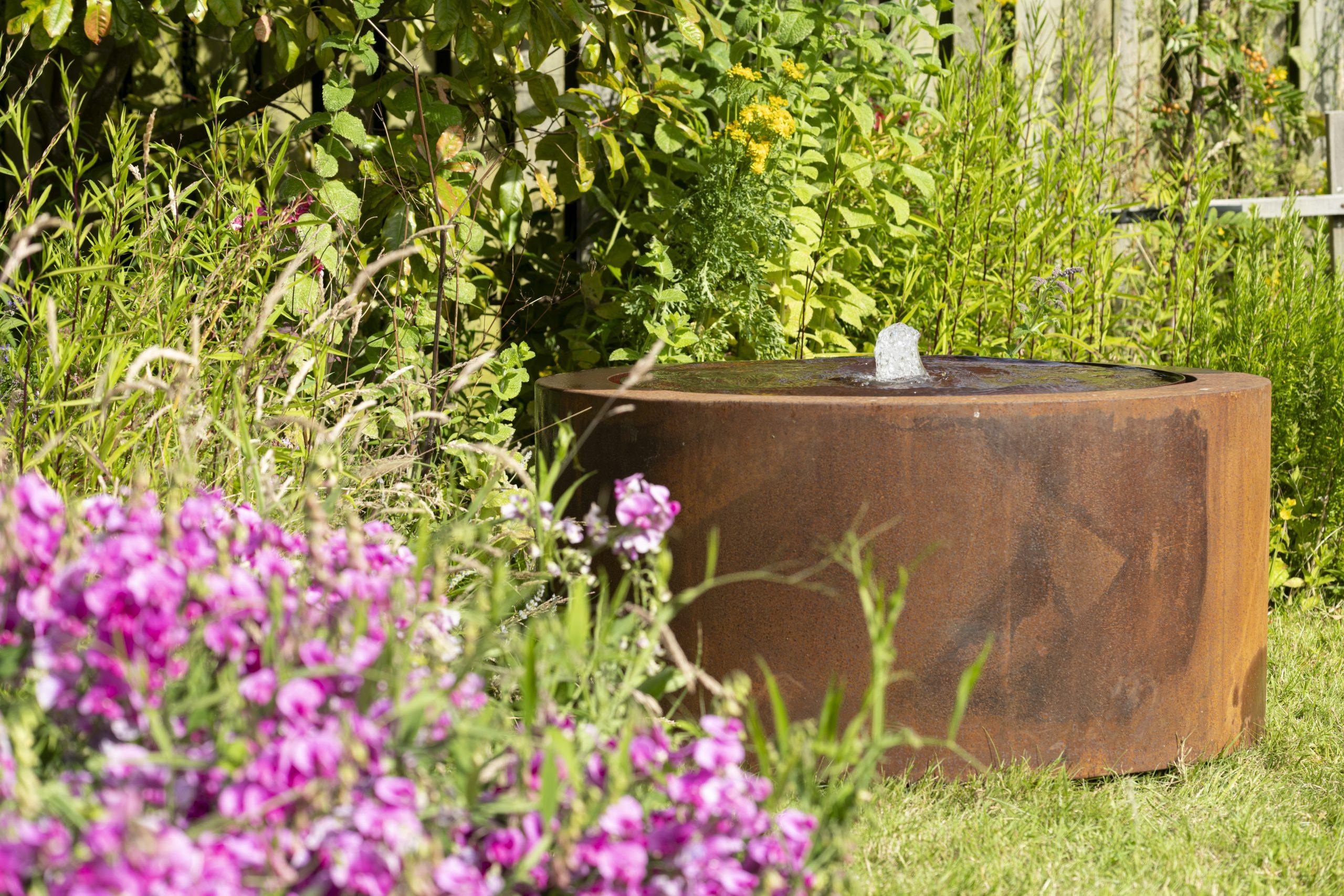
Water has a calming effect that’s difficult to recreate with any other garden feature. A still bowl reflects the changing sky and surrounding planting, while a fountain introduces gentle movement and the sound of running water.
Both traditional and contemporary designs can work equally well, depending on the setting. A simple stone bowl may suit a country garden, while clean lines and corten steel can sit comfortably in a more modern landscape.
Placed where it can be seen and heard, a water feature becomes a natural point of interest throughout the year.
FIND WATER FEATURES TO SUIT YOUR SPACE
Designing for Every Season
The gardens that leave the strongest impression are rarely those that peak for a few weeks each summer. Instead, they offer something to enjoy throughout the year.
Spring brings fresh growth and colour, while summer invites longer evenings spent outdoors with friends and family. As autumn arrives, changing leaves and seed heads add texture, before winter reveals the structure of the garden itself.
Evergreen planting helps maintain interest through the colder months, but permanent features also have an important role. Stone, oak, and corten steel continue to give shape to the space long after flowering plants have faded.
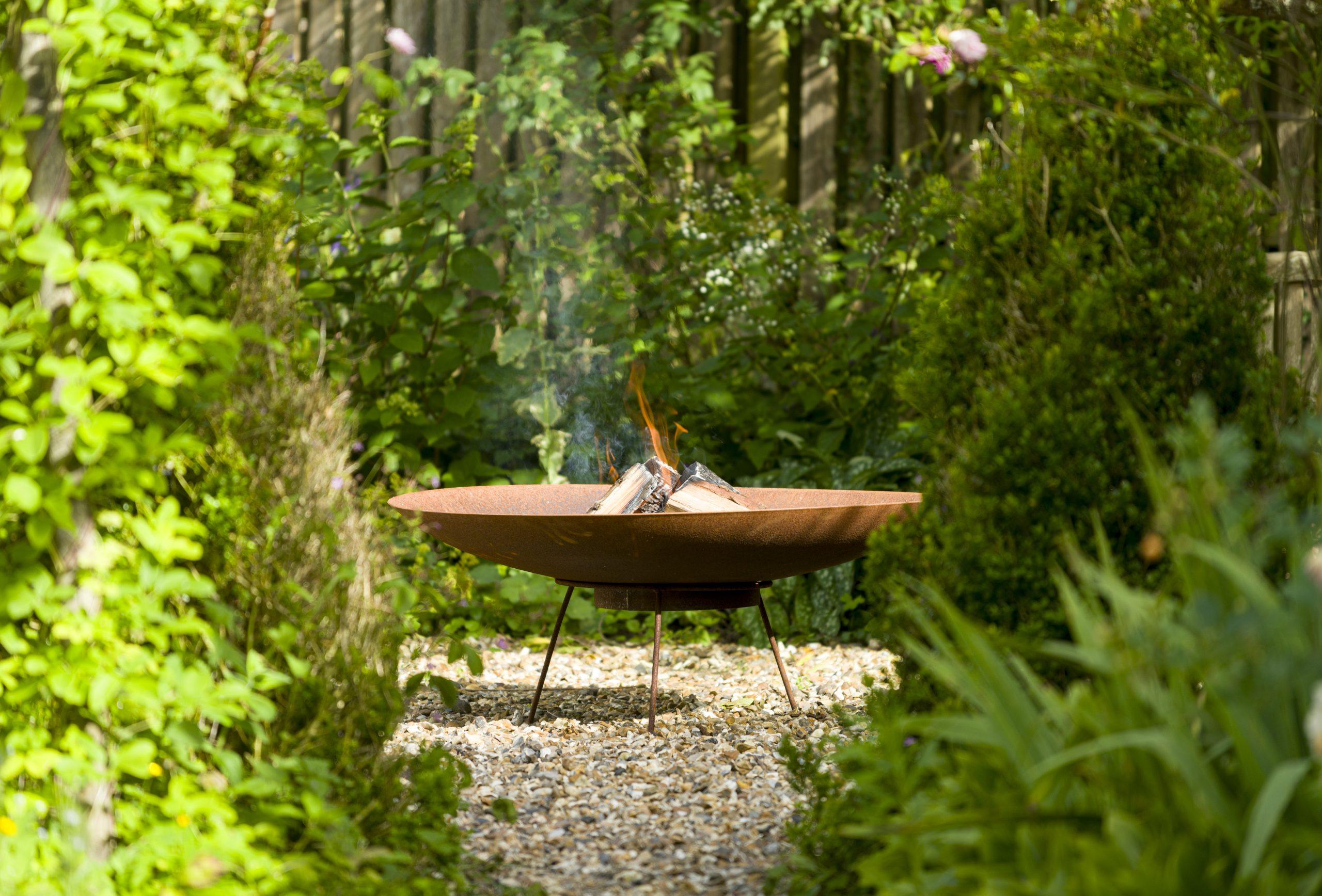
A fire pit can encourage people outside on cooler evenings, while carefully placed lighting extends the enjoyment of the garden after sunset. Small details like these make a noticeable difference, helping the garden remain somewhere you’ll want to spend time in, whatever the season.
Traditional or Contemporary?
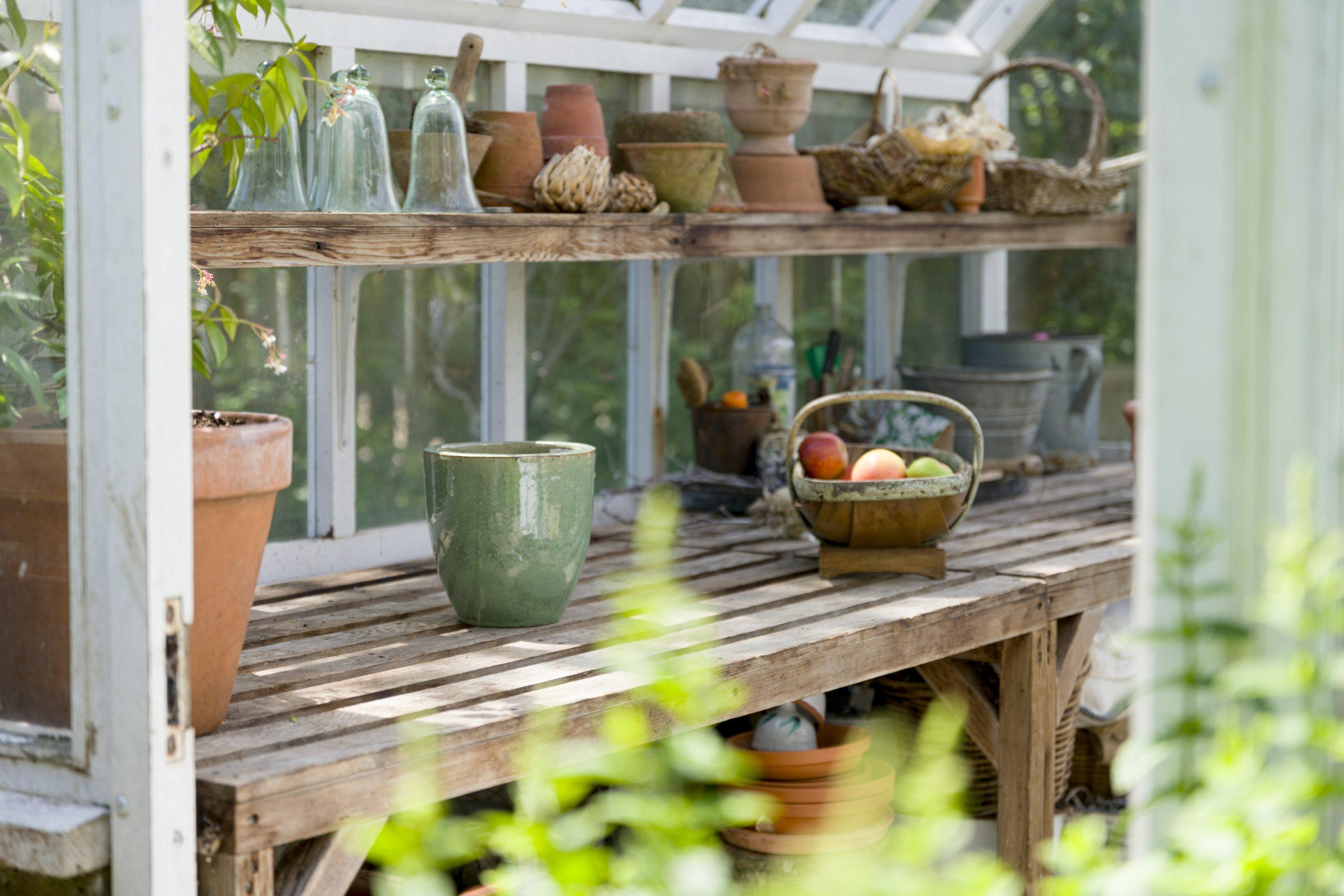
Every garden has its own character, but that doesn’t mean you have to follow one style from beginning to end. Many of the most successful spaces combine traditional materials with contemporary design, creating something that feels personal rather than predictable.
Natural stone, oak, terracotta, and classical statuary have long been used to give gardens a sense of permanence. They sit comfortably within cottage gardens, country homes, and established landscapes, where age and texture become part of the setting.
Contemporary gardens often take a different approach. Generous planters, corten steel, and simple water bowls create a quieter backdrop that allows planting and architecture to stand out. The result is often uncluttered, but never empty.
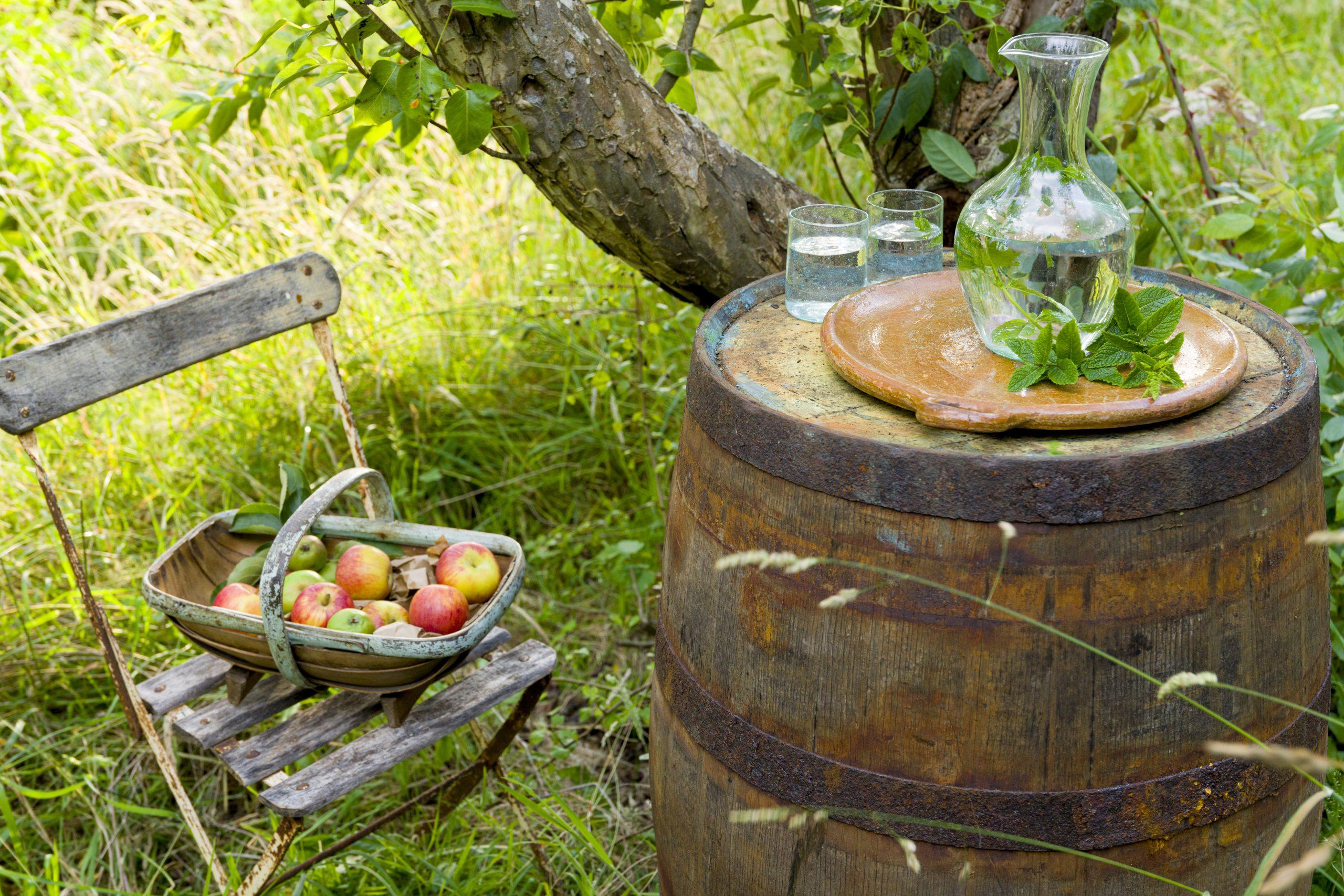
The key is always consistency. Regardless of where your inspiration falls between traditional and contemporary styles.
Making the Most of Small Spaces
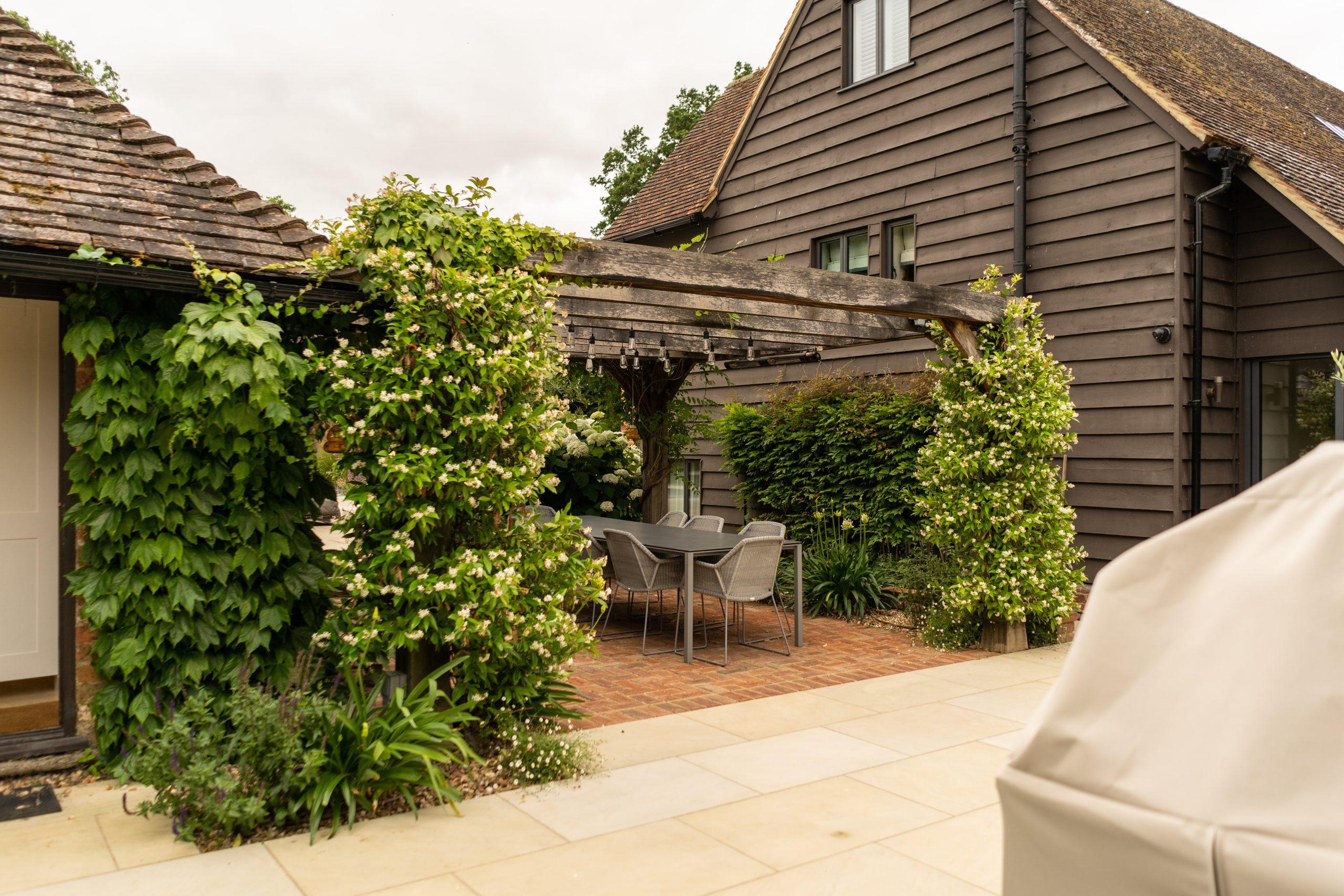
Compact gardens often benefit from a simpler approach, where each feature has room to make an impression.
- Vertical planting can introduce greenery without taking up valuable floor space, while a single statement planter often has greater impact than several smaller pots.
- A well-positioned mirror can help bounce light into darker corners, creating a greater sense of depth.
- Folding furniture or benches with built-in storage also make better use of the available space, and a compact water bowl can become an attractive focal point without dominating the garden.
A few carefully considered additions will often achieve more than trying to include everything at once.
Choosing Features That Last
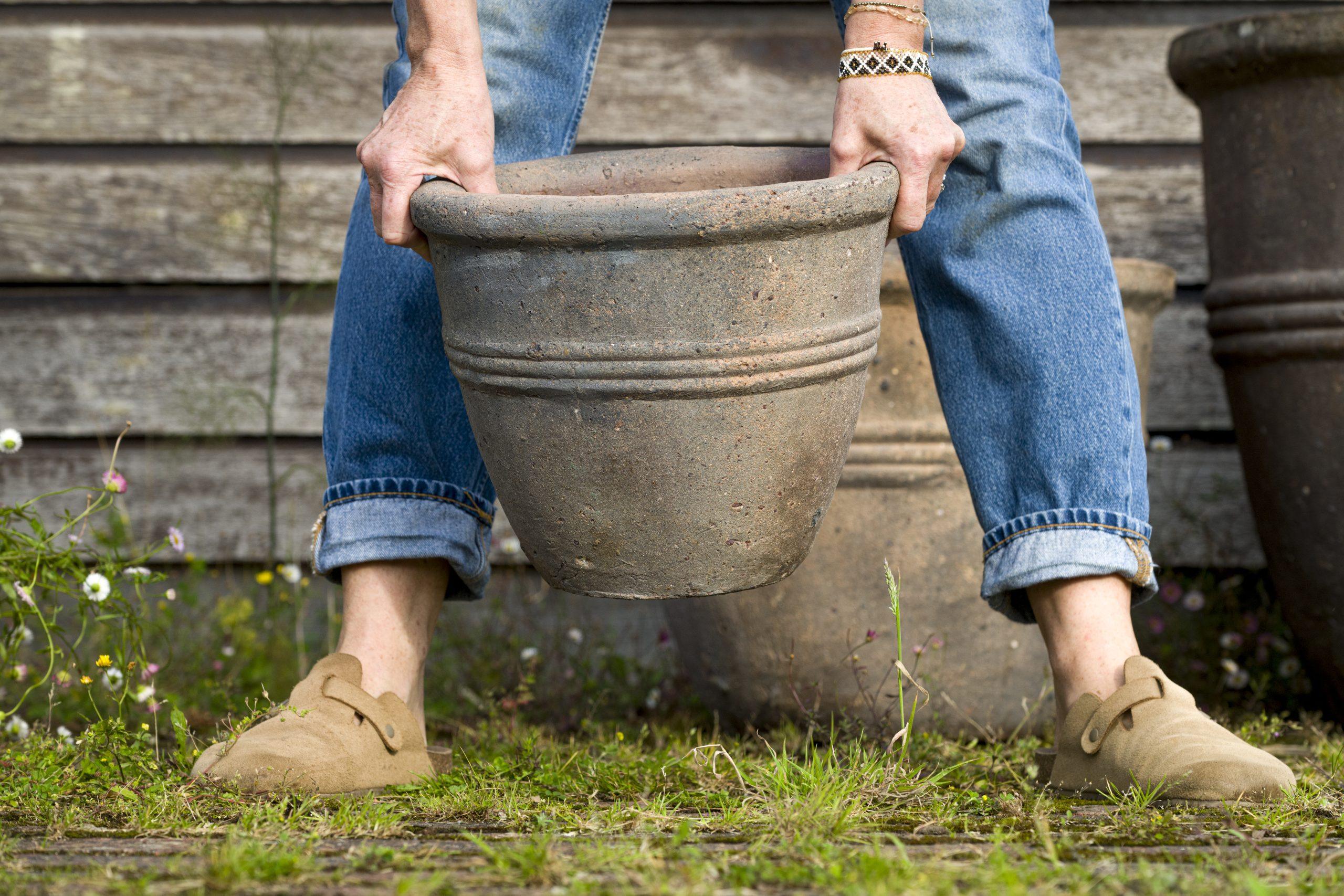
Some of the best gardens evolve gradually. Instead of filling a space all at once, it often makes sense to invest in a few well-made features that will continue to look at home as the garden matures.
Natural materials such as stone, terracotta, oak, and corten steel develop character as they weather, often becoming more settled in their surroundings over time. Choosing designs that feel comfortable within the setting, rather than following short-lived trends, creates a garden that’s easier to build on in the years ahead.
A thoughtful approach at the start often leads to a garden that feels complete for much longer.
Creating an Outdoor Space You’ll Enjoy All Year Round
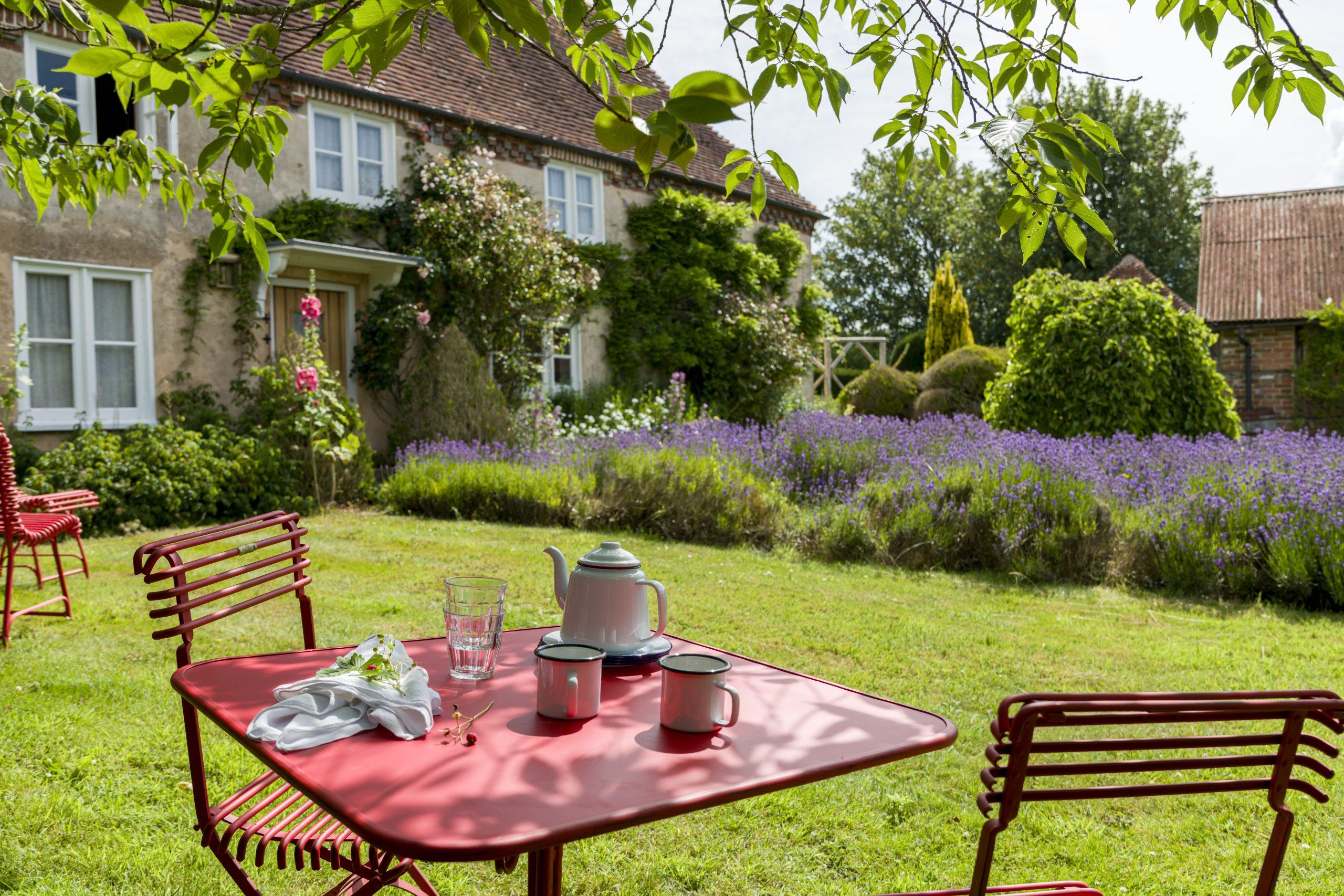
Our collections have been chosen to suit a wide range of gardens, bringing together natural materials, distinctive designs, and lasting quality. From traditional features to contemporary planters, our team is on hand to offer design advice and nationwide delivery, helping you to start shaping your space sooner and with confidence.
Frequently Asked Questions
How do I make my garden look more expensive?
Focus on a few well-chosen features rather than filling the space. Quality materials and thoughtful planting often have the greatest impact.
What makes a good focal point?
A focal point should naturally draw the eye. A specimen tree, water feature, sculpture, or statement planter can all work well.
How many planters should I use?
There’s no fixed number. A few carefully positioned planters often have more impact than lots of smaller pots.
Are water features difficult to maintain?
Most require occasional cleaning and topping up, but ongoing maintenance is usually straightforward.
What’s the best material for outdoor planters?
That depends on the look you’re trying to achieve. Stone, terracotta, corten steel, ceramic, and fibrestone all have their own character.
Where should I position a fire pit?
Choose an open area with enough space around it for seating and safe circulation.
How do I create interest in a small garden?
Introduce height with planting, include a single focal point, and avoid overcrowding the space.
Can modern features work in traditional gardens?
Yes. Contemporary features often complement older gardens when they’re introduced with care.
What garden features add value?
Features that are well-made, thoughtfully positioned, and in keeping with the garden tend to have the greatest lasting appeal.
How do I design a low-maintenance garden?
Choose durable materials, simplify planting, and leave enough space for everything to be maintained comfortably.
Should all my pots match?
Not necessarily. Keeping to a similar palette or material often creates a more natural balance than matching every planter exactly.
How do I make a large garden feel more inviting?
Break it into smaller areas using planting, paths, seating, or focal points to encourage exploration.
What colour planters suit contemporary gardens?
Neutral tones, charcoal, corten steel, and simple finishes are popular choices for modern spaces.
Can corten steel be used in all gardens?
It works well in both traditional and contemporary settings when paired with complementary materials and planting.
What should I add to a new-build garden?
Start with the permanent features first, then introduce planting and decorative elements gradually as the garden develops.
Get a Quote
Looking for advice or have a question? Fill out our quick form below and we'll put you in touch with the right person in our team! We'll get back to you by the end of the next working day.

