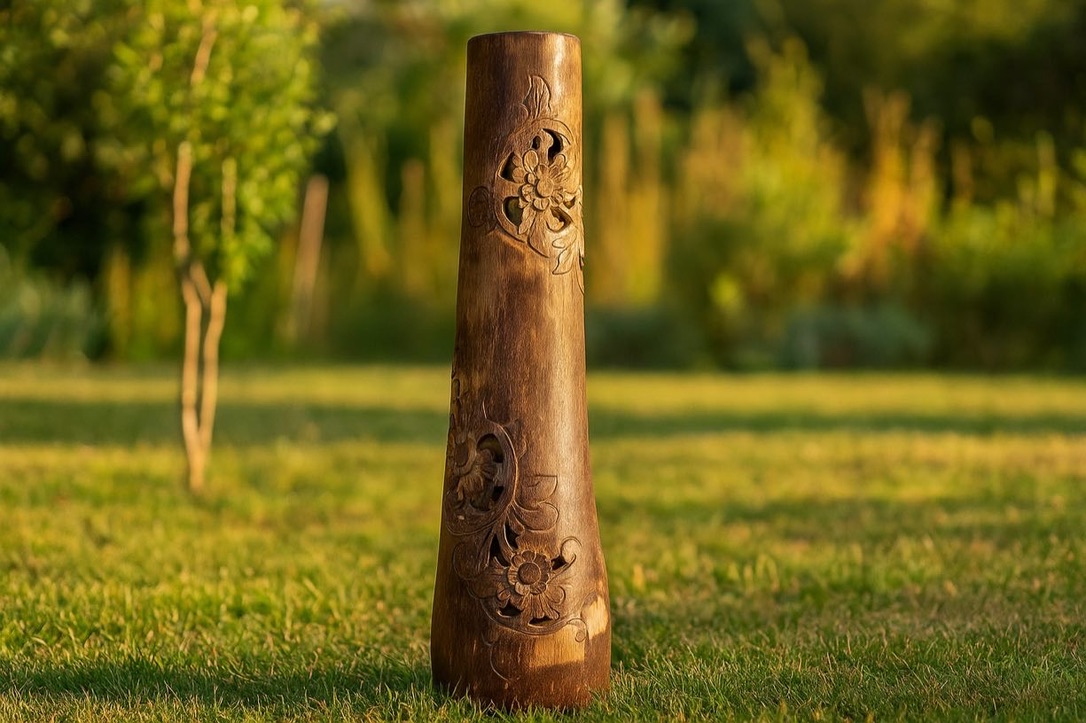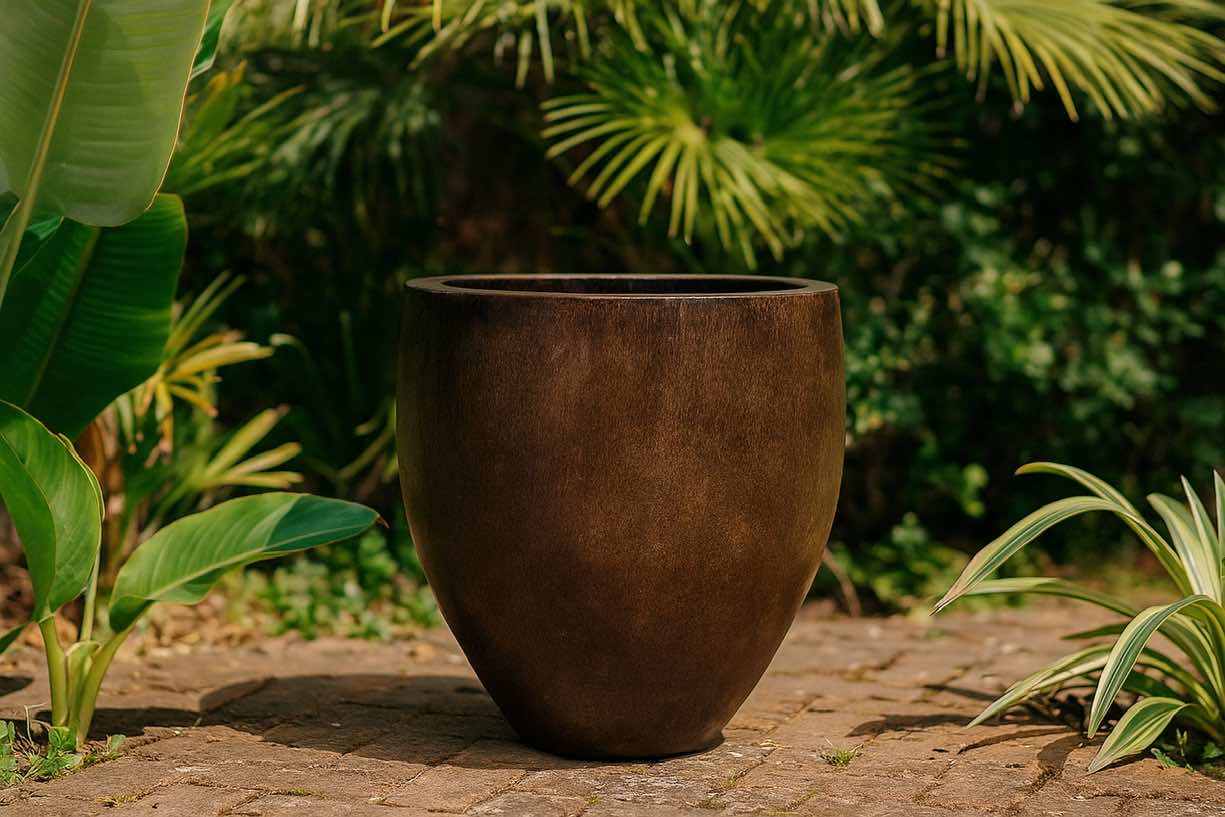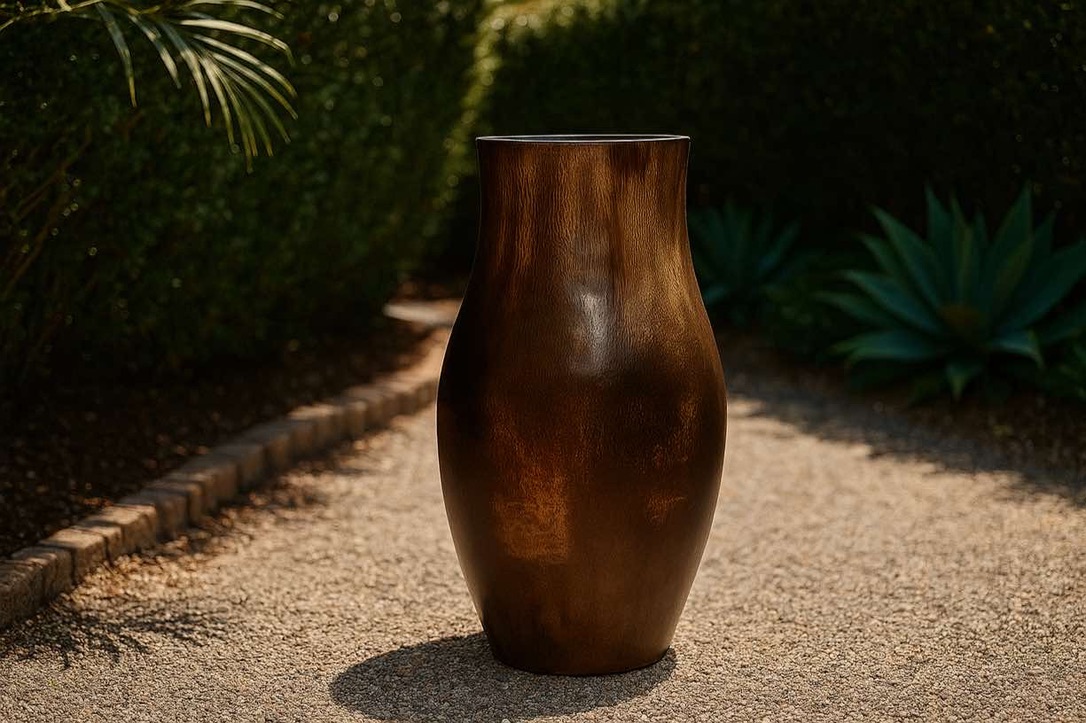

Palm Wood - Jambang Decorative Vase
Product Code: P-000298
We believe in the power of premium materials to transform spaces, inside and out.

We strive to deliver your products as promptly as possible, so you can start enjoying them right away.

Our customers are at the heart of everything we do. That’s why we are proud to showcase our Trustpilot reviews.

Shopping with us is straightforward and stress-free. Our dedicated team is just a call or email away if you need assistance.
Internal use only|Textured surface|Hand finished|Eco-friendly materials|Colouring can vary|Dimensions may vary up to 10%
Our wooden planters are carefully packaged to ensure safe delivery. For local deliveries, we use our fleet of vehicles, and for national orders, we rely on trusted courier services. Delivery charges are calculated based on the size, weight, and delivery postcode. For further details, please refer to our Delivery Terms & Conditions.
Installation Guide for Palm Wood Vase Planters
Introduction
Palm wood vase planters bring a natural, tropical aesthetic to gardens, patios, and interiors. However, palm wood is more porous than hardwoods, making it vulnerable to moisture damage when used as a planter. Proper lining and drainage are essential to prevent rotting and extend the life of your planter.
Placement
- Stable Surface:
Position the planter on a level, solid surface such as paving slabs or decking. - Weight Consideration:
Palm wood planters can be heavy when filled—choose the final location before planting.
Lining for Protection
- Why Line?
Palm wood absorbs water easily, which can lead to rot. A liner creates a barrier between soil moisture and the wood. - Recommended Liners:
- Heavy-duty plastic liner or pond liner.
- Flexible waterproof membrane.
- Installation Steps:
- Cut the liner to fit the interior of the vase, leaving extra material to fold over the rim.
- Secure the liner with stainless steel staples or adhesive suitable for wood.
- Punch small holes in the liner at the base for drainage (align with planter’s drainage holes).
Drainage
- Add a layer of gravel or stones at the bottom of the lined planter to promote water flow.
- Ensure drainage holes remain unobstructed.
Planting
- Use high-quality potting soil.
- Consider adding a geotextile fabric above the gravel layer to prevent soil clogging the drainage holes.
Maintenance Tips
- Check the liner periodically for wear or leaks.
- Avoid overwatering—palm wood planters are best for plants that prefer moderate moisture.
- If used outdoors, apply a breathable wood preservative to the exterior annually for added protection.
Care & Maintenance Guide for Palm Wood Vase Planters
Introduction
Palm wood vase planters offer a unique, tropical aesthetic with natural grain patterns. While durable, palm wood requires proper care to maintain its beauty and prevent damage from moisture or environmental exposure. This guide covers essential steps for cleaning, protection, and long-term maintenance.
1. Placement & Environment
- Indoor Use:
Ideal for interiors with stable humidity and temperature. - Outdoor Use:
Place in a sheltered area away from direct rain and prolonged sun exposure to prevent cracking or fading.
2. Moisture Management
- Drainage:
Always use a liner or insert when planting directly in the vase to prevent water contact with the wood. - Avoid Standing Water:
Never allow water to pool inside or around the base—this can cause swelling or rot.
3. Cleaning
- Routine:
Dust regularly with a soft, dry cloth. - Deep Cleaning:
Wipe with a slightly damp cloth and mild soap if needed. Dry immediately. - Avoid:
Harsh chemicals, abrasive pads, or soaking in water.
4. Protective Treatment
- Sealant:
Apply a clear wood sealant or natural oil (e.g., teak oil) every 6–12 months to maintain moisture resistance and enhance grain. - UV Protection:
For outdoor use, consider a UV-protective finish to reduce fading.
5. Seasonal Checks
- Inspect for cracks or splits caused by humidity changes.
- Reapply protective oil or sealant as needed.
- Ensure liners remain intact to prevent leaks.
Extra Tips
- Use felt pads under the base to protect flooring.
- Rotate planters occasionally to ensure even exposure to light.
Pros & Cons vs Corten Steel Planters
Pros
- Warm, natural aesthetic.
- Lightweight compared to metal.
- Eco-friendly material.
Cons
- Requires more maintenance than Corten steel.
- Sensitive to moisture and UV exposure.
- Shorter lifespan outdoors without protection.