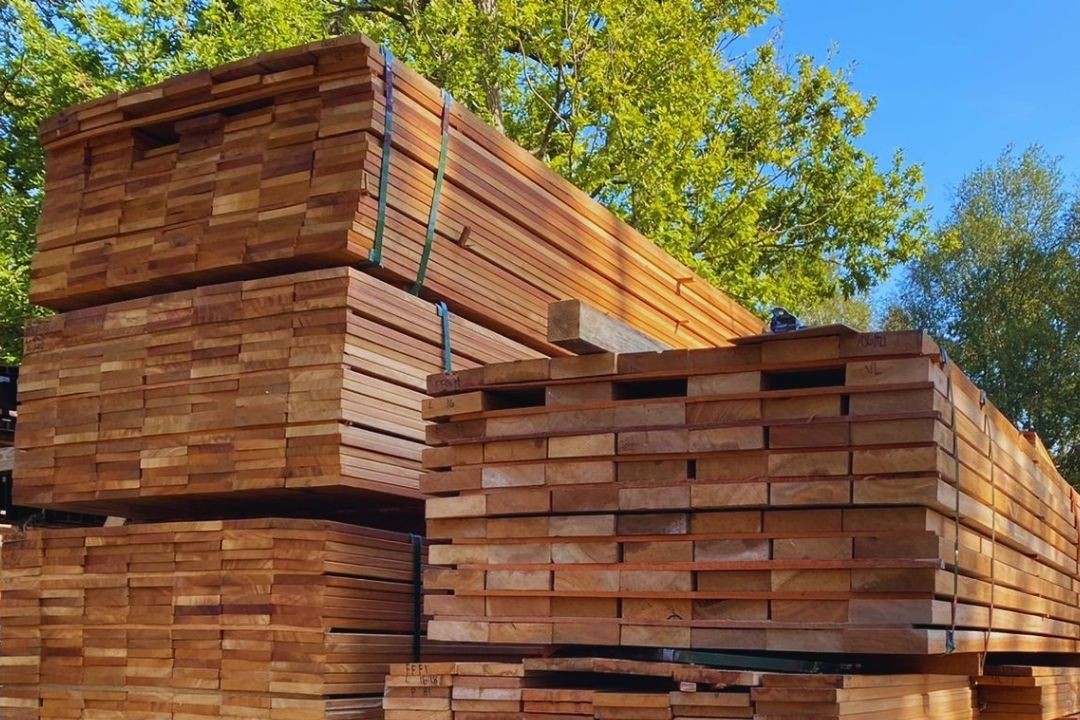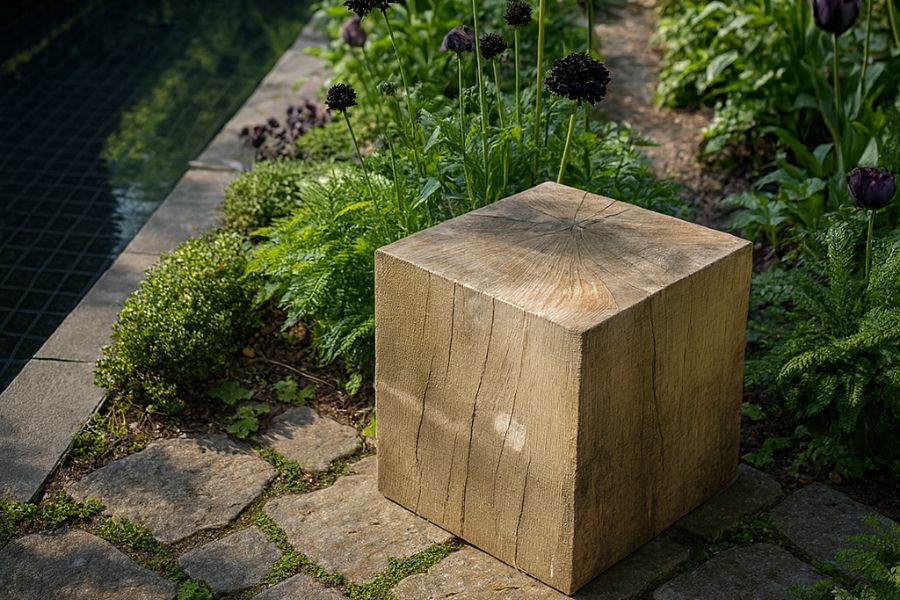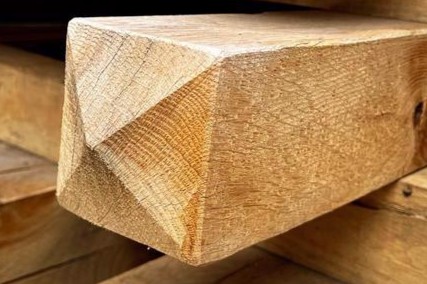

Oak Post - Dome Top - 100 x 100mm Nominal
Product Code: T-000198
We believe in the power of premium materials to transform spaces, inside and out.

Our customers are at the heart of everything we do. That’s why we are proud to showcase our Trustpilot reviews.

Shopping with us is straightforward and stress-free. Our dedicated team is just a call or email away if you need assistance.
- Nominal cross-section dimensions: 100 x 100mm
- PAR (Planed All Round) finish ensures smooth, high-quality surfaces
- Green Oak post, naturally seasoned for strength and stability
- Dome top design adds a classic, decorative touch
- Crafted from premium European Oak for exceptional durability
- Available in a range of lengths to suit different projects
- Perfect for fencing, landscaping, and structural applications
- Sustainable and eco-friendly timber choice
- Resistant to weathering and suitable for outdoor use
- Easy to work with using standard woodworking tools
Oak beams, plinths, and sleepers are robust and heavy, requiring careful handling during delivery. These items are typically delivered using our own fleet or trusted third-party hauliers. Due to their weight and size, delivery charges are calculated based on distance, dimensions, and overall weight. Please note that assistance may be required on-site to offload. For more details, please visit our Delivery Terms & Conditions
Installation Guide for Hardwood and Softwood Sleepers
Introduction
Timber sleepers are widely used for landscaping, garden edging, retaining walls, and structural features. Correct installation ensures stability, longevity, and safety. This guide covers installation for both hardwood (e.g. oak) and softwood (e.g. pine) sleepers.
Tools & Materials Needed
- Hardwood or softwood sleepers
- Crushed stone or gravel (for drainage)
- Spirit level
- Tape measure
- Drill and screws (or coach bolts)
- Hammer or mallet
- Sleeper Staple Pins (Timber Dogs)
- Saw
- Protective gloves
Step-by-Step Installation
1. Prepare the Base
- Excavate the area where sleepers or beams will sit.
- Lay a compacted gravel base for drainage and stability.
- Ensure the base is level using a spirit level.
2. Position the Sleepers or Beams
- Arrange sleepers in the desired layout (horizontal or vertical).
- For retaining walls, stagger joints for strength.
3. Secure the Sleepers
- Option A: Screws or Bolts
- Drill pilot holes and use heavy-duty screws or coach bolts to join sleepers.
- Option B: Sleeper Staple Pins (Timber Dogs)
- Drive Timber Dogs diagonally across adjoining sleepers using a hammer or mallet.
- These heavy-duty steel staples bite into the timber, locking sleepers together without drilling.
- Ideal for rustic projects or where speed and strength are priorities.
4. Check Alignment
- Use a spirit level to ensure sleepers are straight and level.
- Adjust as needed before final fixing.
5. Backfill and Finish
- Backfill behind retaining walls with gravel for drainage.
- Compact soil around sleepers for stability.
- Apply a wood preservative or oil for added protection.
Differences Between Hardwood and Softwood
- Hardwood (e.g. Oak):
- Extremely durable, ideal for heavy-duty applications.
- Requires pre-drilling for screws/bolts.
- Timber Dogs may need extra force to drive in.
- Softwood (e.g. Pine):
- Easier to cut and drill.
- Timber Dogs penetrate easily.
- Requires treatment for outdoor use to prevent rot.
Maintenance Tips
- Inspect annually for movement or rot.
- Reapply wood preservative every 2–3 years.
- Check Timber Dogs for corrosion and replace if necessary.
Care & Maintenance Guide for Timber Sleepers, Beams & Plinths (Hardwood & Softwood)
Introduction
Timber sleepers, beams, and plinths add strength and natural beauty to landscaping and construction projects. Whether hardwood (e.g. oak) or softwood (e.g. pine), proper care ensures longevity and structural integrity. This guide explains how to maintain these components effectively.
1. Initial Treatment
- Hardwood (Oak, Teak, etc.):
- Apply a penetrating oil or preservative immediately after installation to protect against moisture and UV damage.
- Seal end grains to prevent splitting.
- Softwood (Pine, Spruce, etc.):
- Use a high-quality wood preservative or pressure-treated timber for outdoor use.
- Apply a water-repellent finish for added protection.
2. Regular Cleaning
- Remove dirt and debris with a stiff brush.
- Wash with mild soap and water annually.
- Avoid pressure washing at high PSI—it can damage fibres.
3. Moisture Protection
- Ensure proper drainage around sleepers and beams to prevent water pooling.
- For ground-contact timber, use a damp-proof membrane or gravel base to reduce rot risk.
4. UV Protection
- Reapply UV-protective oil or stain every 2–3 years to maintain colour and prevent greying.
- If a natural weathered look is desired, skip UV treatment—but expect faster colour change.
5. Inspect and Repair
- Check for cracks, splits, or signs of rot annually.
- Replace severely damaged sections promptly.
- Tighten or replace fixings as needed.
6. Differences in Maintenance
- Hardwood:
- More durable and rot-resistant but benefits from oiling for colour retention.
- Less frequent treatment required (every 3–5 years).
- Softwood:
- Requires more frequent treatment (every 1–2 years).
- More prone to rot and insect attack without preservative.
Extra Tips
- Avoid film-forming finishes outdoors—they can peel over time.
- Use stainless steel or galvanized fixings to prevent staining from rust.
Pros & Cons Summary
Hardwood
- Pros: Long lifespan, high strength, premium look.
- Cons: Higher cost, heavier, harder to cut.
Softwood
- Pros: Affordable, easier to work with.
- Cons: Shorter lifespan, needs more maintenance.