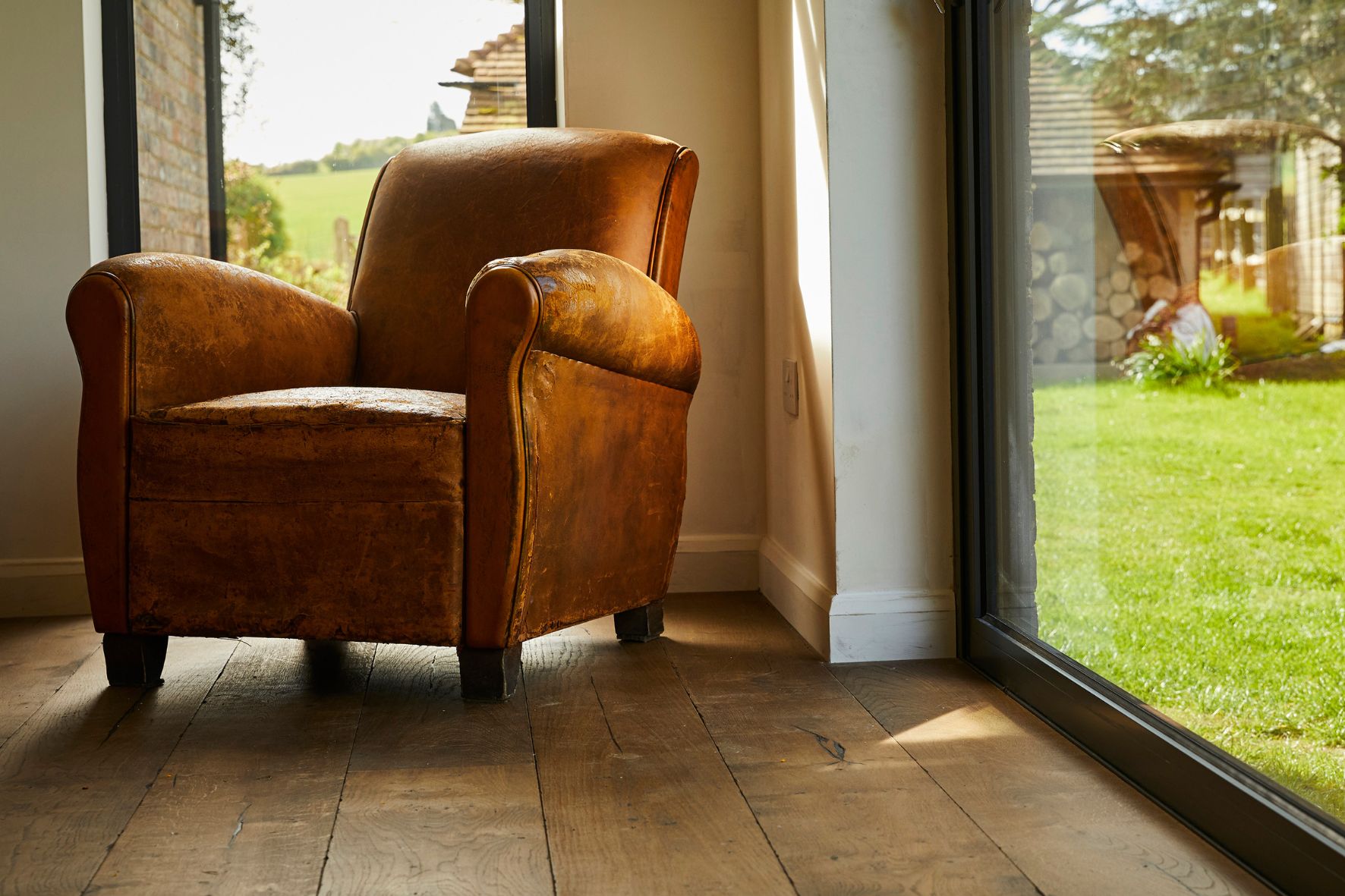

ROUND WOOD Engineered Oak Floor Board - Brushed, UV-lacquered, Colour 4
Product Code: F-000279
We believe in the power of premium materials to transform spaces, inside and out.

We strive to deliver your products as promptly as possible, so you can start enjoying them right away.

Our customers are at the heart of everything we do. That’s why we are proud to showcase our Trustpilot reviews.

Shopping with us is straightforward and stress-free. Our dedicated team is just a call or email away if you need assistance.
- Product: ROUND WOOD Engineered Oak Floor Board – Colour 4
- Board size: 220 mm width x 15 mm thickness (4 mm wear layer) x 2200 mm length
- Pack coverage: 2.904 square meters per pack
- Surface: Lightly brushed texture for subtle grain enhancement
- Finish: Invisible UV lacquer providing durable protection and natural look
- Construction: Cross-bonded multi-ply backing for stability and reduced movement
- Appearance: All knots carefully filled and sanded for a smooth, flawless surface
- Ideal for: Stylish, long-lasting flooring with natural oak aesthetics and enhanced durability
Light and fresh finish of this flooring suits many interiors from modern to traditional
Engineered flooring packs are carefully handled to ensure they arrive in perfect condition. Depending on the size and weight of your order, delivery may be arranged via courier or our fleet of vehicles. Please note that larger orders may require assistance on-site for unloading. Delivery charges are based on your location and the volume of materials. For further information, please see our Delivery Terms & Conditions.
How to Install Engineered Floorboards
Step-by-Step Installation
- Prepare the Subfloor
- Ensure it’s clean, dry, and level.
- Remove any debris and check moisture levels (should be within manufacturer’s recommendations).
- Acclimate the Boards
- Leave the boards in the room for 48–72 hours to adjust to temperature and humidity.
- Lay Underlay
- Install a suitable underlay for soundproofing and moisture protection.
- Plan Layout
- Start from the longest wall or the most visible area.
- Stagger joints for a natural look.
- Install Boards
- Floating Method: Click-lock or tongue-and-groove system.
- Glue-down Method: Apply adhesive to subfloor and press boards firmly.
- Leave a 10–15 mm expansion gap around walls.
- Finish
- Install skirting boards or beading to cover expansion gaps.
- Clean the surface and inspect for gaps or loose boards.
Pros & Cons vs Parquet
Pros
- Faster and easier installation.
- Lower labor cost.
- Modern, seamless look.
- Can be DIY-friendly.
Cons
- Less intricate design compared to parquet.
- May not have the same luxury appeal.
- Limited pattern options.
Care & Maintenance Guide for Engineered Wood Floors (Boards & Parquet)
1. Daily & Weekly Cleaning
- Sweep or Vacuum Daily
Use a soft-bristle broom or a vacuum with a hardwood floor attachment to remove dust and grit. - Damp Mop Weekly
Use a microfiber mop lightly dampened with water or a pH-neutral wood floor cleaner.
Avoid excess water—engineered wood is moisture-sensitive.
2. Prevent Surface Damage
- Use Rugs and Mats
Place mats at entrances and rugs in high-traffic areas. - Furniture Protection
Fit felt pads under chair and table legs to prevent scratches. - Avoid High Heels & Pet Nails
These can dent or scratch the surface.
3. Environmental Control
- Humidity
Maintain indoor humidity between 40–60% to prevent expansion or contraction. - Temperature Stability
Avoid extreme temperature changes.
4. Spill & Stain Management
- Spills
Wipe immediately with a dry or slightly damp cloth. - Stains
Use manufacturer-approved cleaners; never use abrasive pads or harsh chemicals.
5. Long-Term Care
- Recoat When Needed
Apply a fresh finish layer every few years if the surface looks dull. - Avoid Sanding
Engineered wood has a thin veneer; sanding can damage it. - Parquet Specific
For engineered parquet, check for loose blocks periodically and re-glue if necessary.
Extra Tips for Engineered Parquet
- Pattern Integrity
Avoid dragging heavy furniture across the floor to prevent misalignment of blocks. - Professional Refinishing
If refinishing is needed, hire a professional to avoid damaging the pattern.
Pros & Cons Summary
Engineered Floorboards
- Pros: Easier to clean, fewer joints, less risk of gaps.
- Cons: Limited design compared to parquet.
Engineered Parquet
- Pros: Elegant, patterned look; premium appeal.
- Cons: More joints to maintain; pattern can shift if not cared for properly.