
How to Support Wildlife During Wintertime
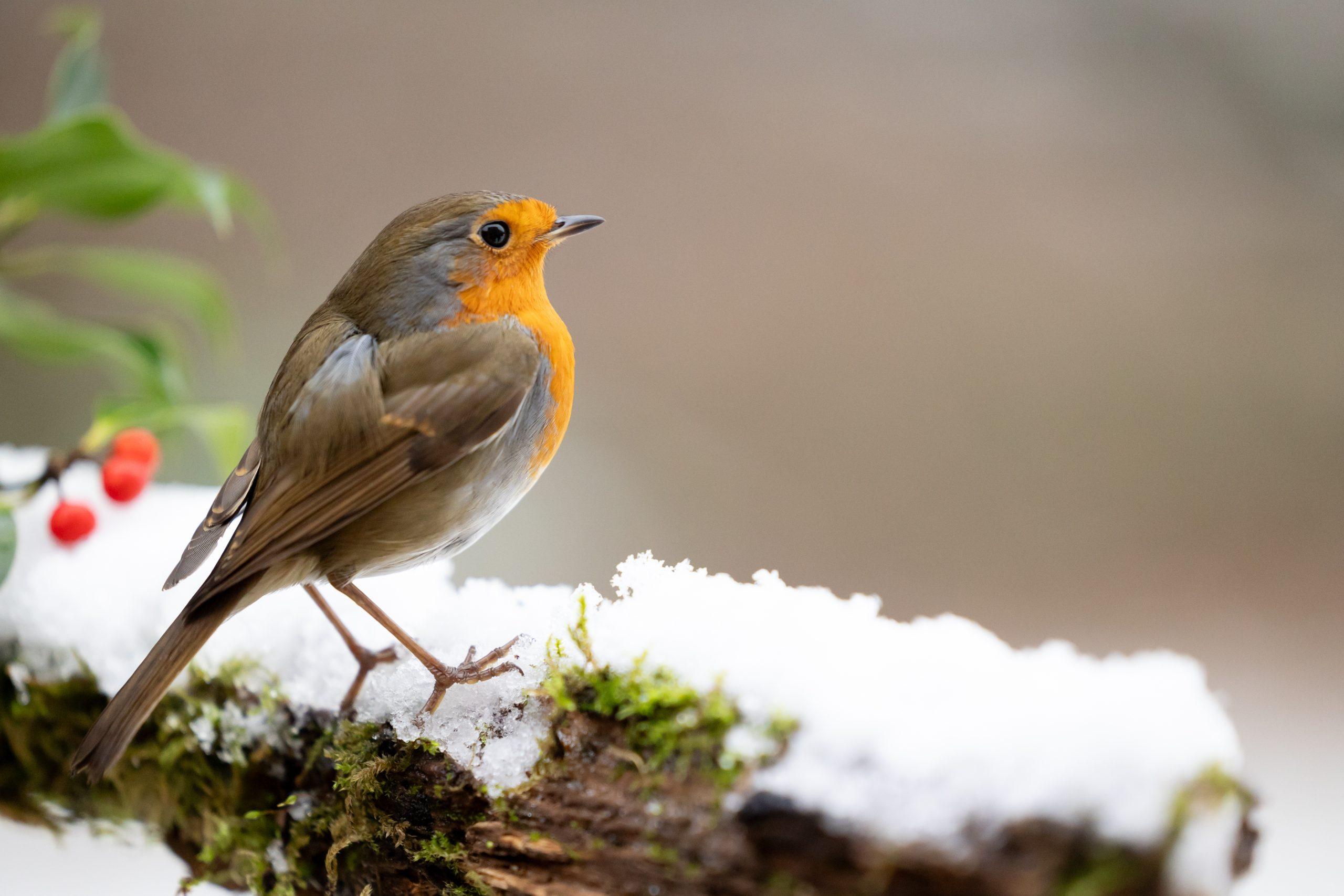
Winter puts pressure on wildlife. Natural food dwindles, water sources freeze, and many usual shelters disappear as gardens are cleared back. Small interventions can make a real difference, even in modest outdoor spaces.
This guide covers the essentials: offering dependable food, keeping water accessible, providing safe shelter, and adjusting a few gardening habits so animals and insects can survive the coldest months.
Feeding Birds – High-Energy Fuel for Cold Weather
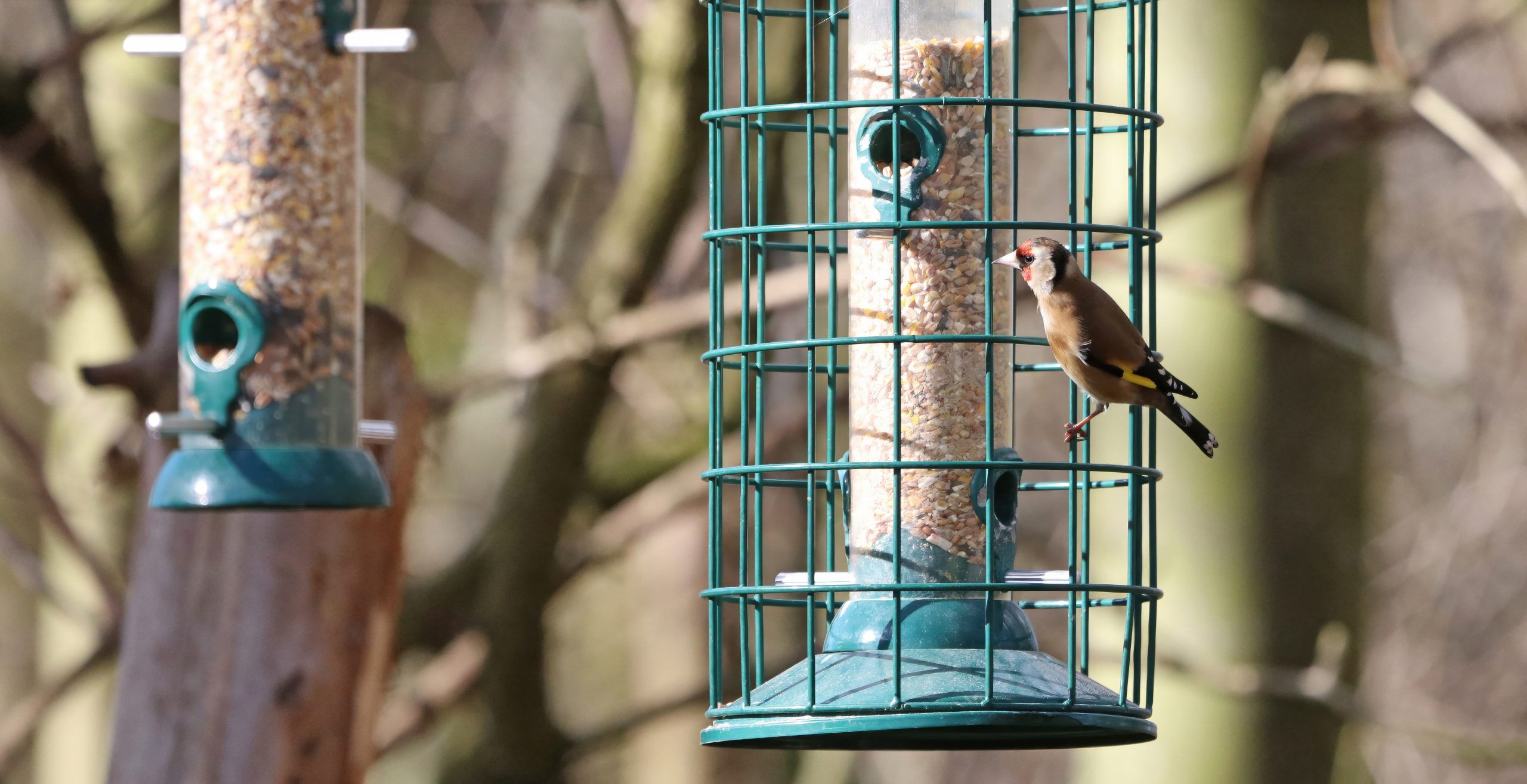
Birds burn through energy quickly in winter. Short days and frozen ground limit natural food, so a steady supply of high-energy feed helps them stay warm and active.
Good winter foods include:
- Suet blocks or fat balls (not in plastic nets)
- Unsalted peanuts
- Sunflower seeds and sunflower hearts
- Soft fruit like chopped apple, raisins, berries
Avoid:
- Salted foods
- Stale bread as a main food source
- Fat balls sold in mesh nets
Where to place feeders:
- Slightly elevated, with shrubs or trees nearby for cover
- Ground trays for blackbirds and dunnocks, positioned where predators are visible
- Away from busy paths and windows
Keep feeding safe:
- Clean feeders with hot water and mild disinfectant to prevent disease
- Let them dry fully before refilling
- Rotate feeding spots to avoid build-up beneath them
A simple hanging feeder or bird table, kept topped up, can support a wide range of species through the coldest weeks.
Water – Just as Important as Food
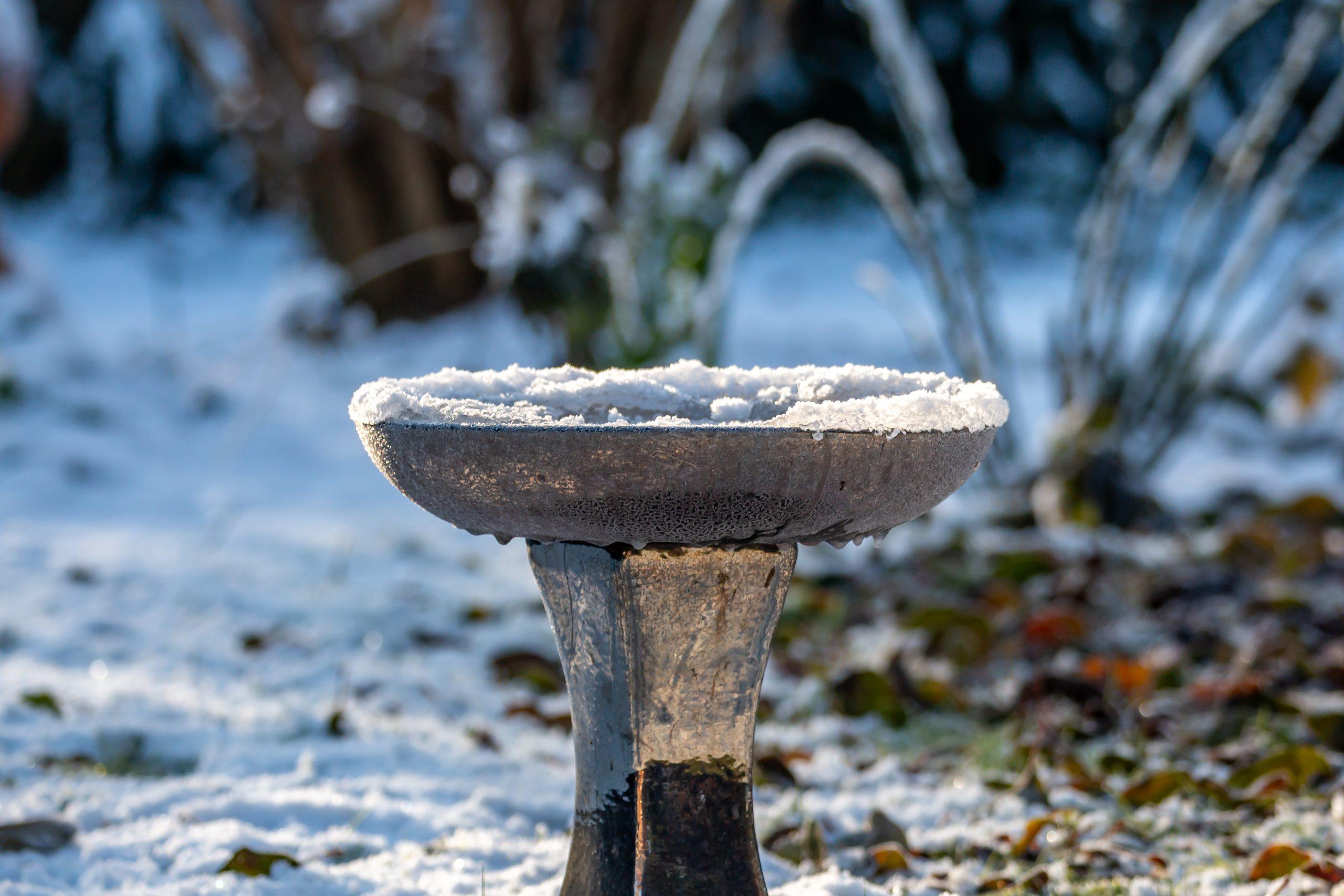
In winter, water is often harder for wildlife to find than food. Frozen ponds, bird baths, and puddles leave birds and small mammals without a reliable place to drink. Checking water sources daily helps far more than most people realise.
A simple bird bath or a shallow ground-level dish works for everything from garden birds to hedgehogs and foxes. When ice forms, melt a hole by placing a hot saucepan on the surface – never pour boiling water on it, and never add antifreeze or salt, which are dangerous to wildlife.
Keeping one small patch of water open each day gives animals the hydration they need to survive cold snaps.
Shelter and Safe Spaces
Leave Natural Cover
Leaf piles, log stacks, and uncut stems offer insulated pockets for insects, frogs, and small mammals. These areas also become feeding sites for birds later in the season.
Keep Winter Food Sources Intact
Delay pruning berrying shrubs until early spring. Their fruit is one of the few natural food supplies available in mid-winter.
Check Before You Disturb
Bonfire piles and compost heaps often shelter hedgehogs, toads, and mice. Rebuild piles on the day or check them carefully before lighting or turning.
Add Simple Structures
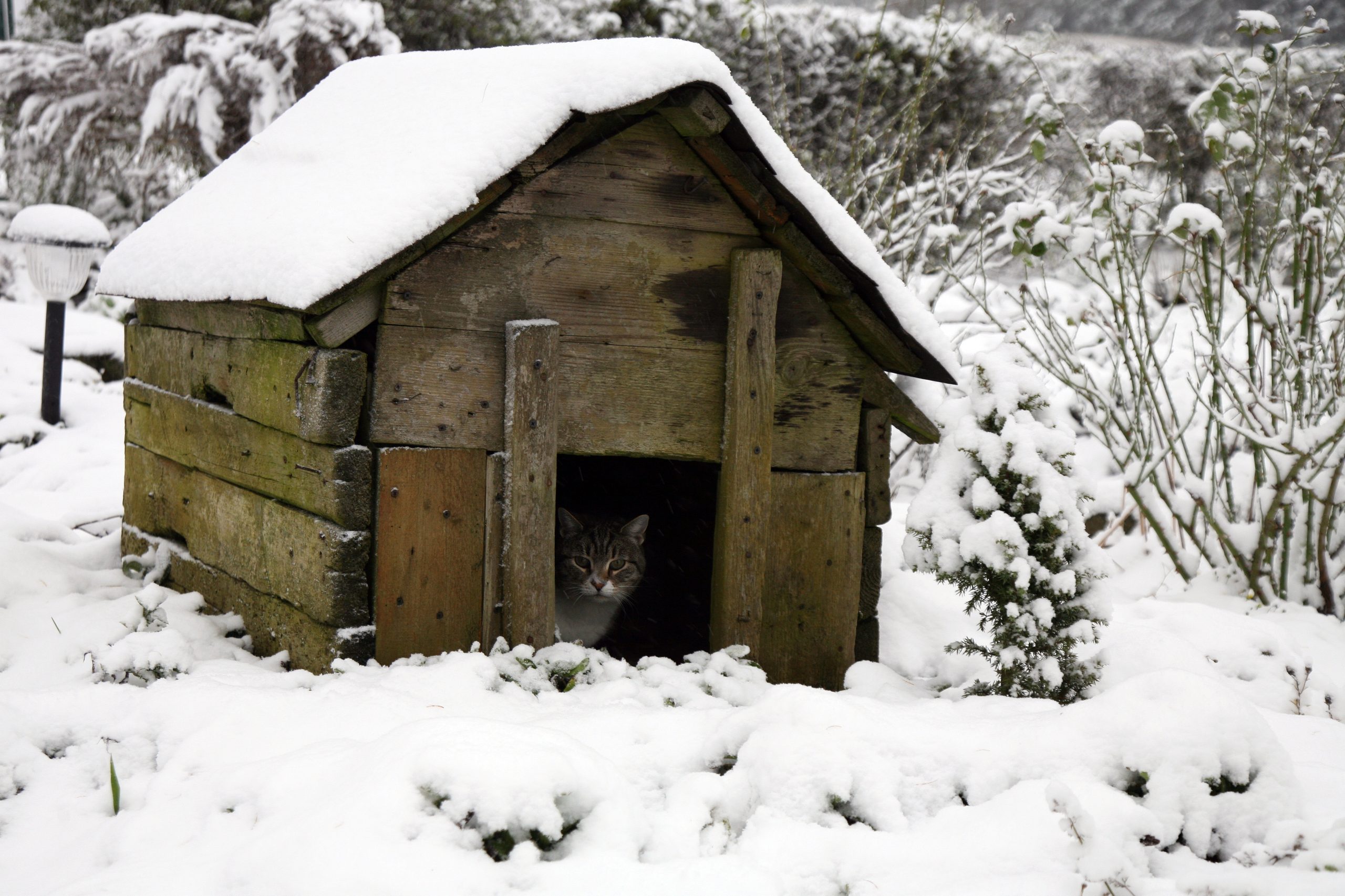
Bird boxes give small birds a dry roost, bat boxes offer stable temperatures, and hedgehog houses provide safe hibernation spaces. Even tucked-away log stacks or crates can create dependable cover during severe weather.
How to Support Specific Wildlife Species
Garden Birds
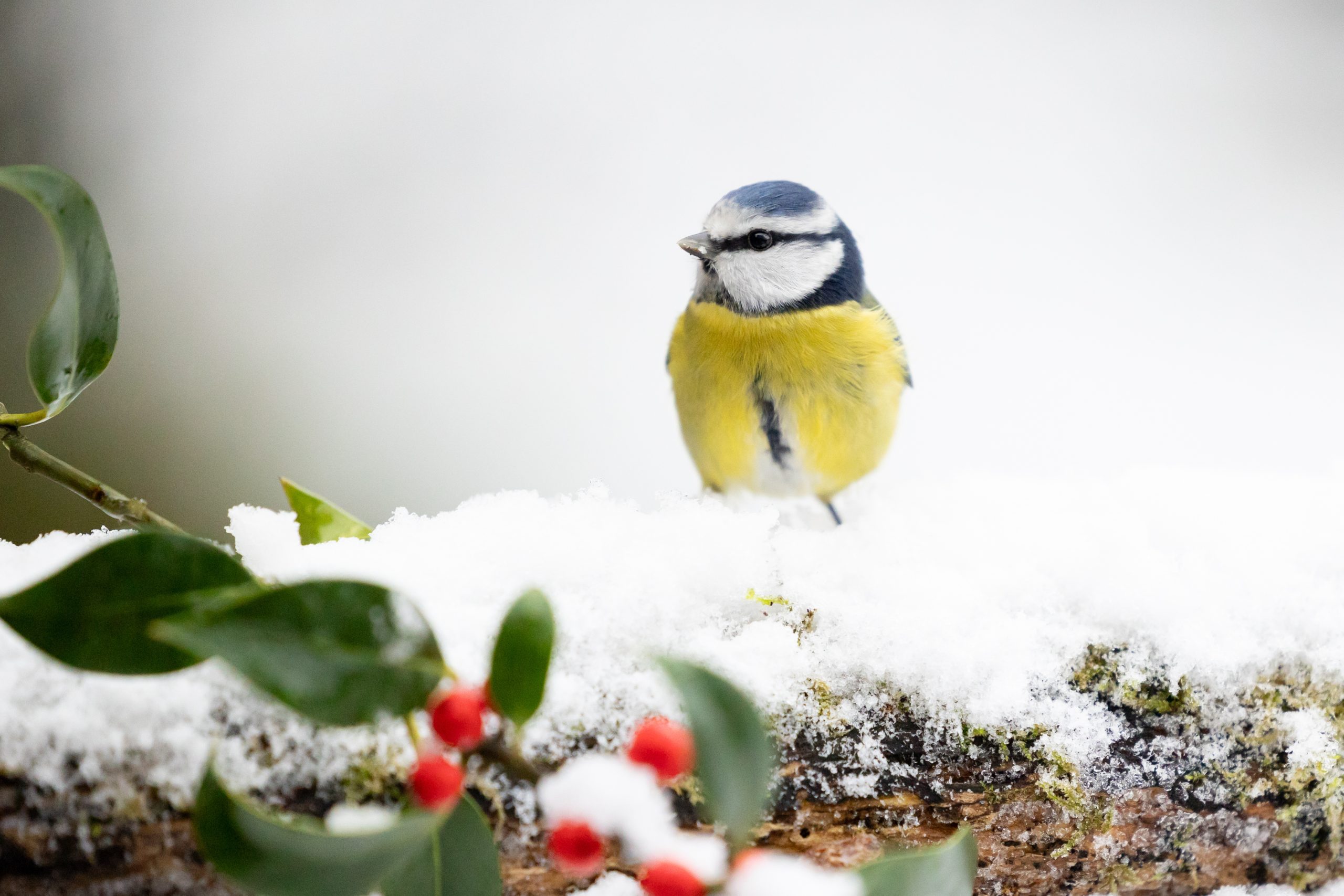
Birds need high-fat foods to maintain body heat. Suet, peanuts, and sunflower seeds give them the energy they burn through quickly. Feed little and often so they don’t waste energy visiting an empty station. Place feeders near cover to reduce the risk from predators, and keep them clean to prevent disease.
Hedgehogs
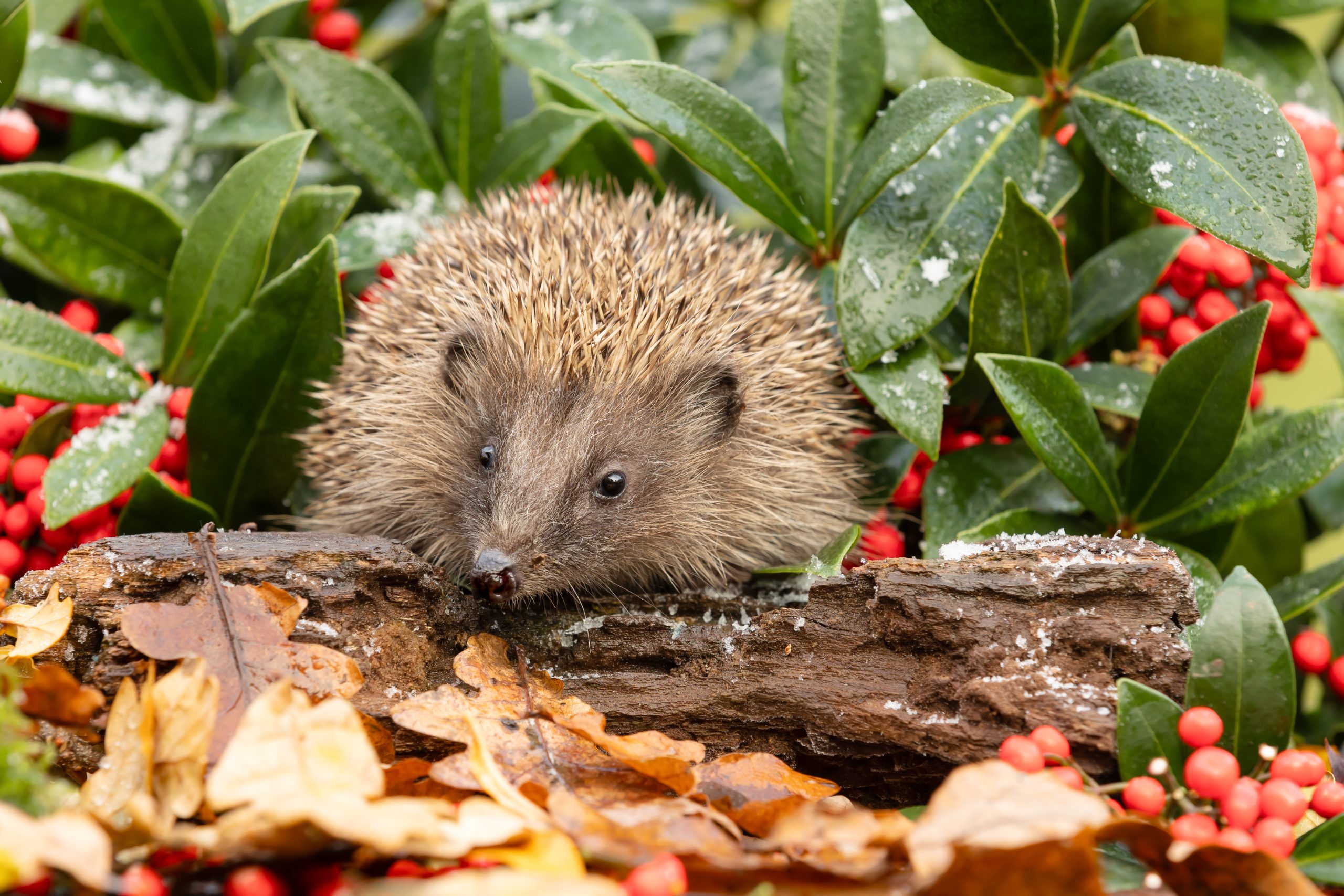
Hedgehogs rely on dry, undisturbed shelter through winter. Leaf piles, log stacks, or a hedgehog house give them a dependable place to hibernate. If you find a sleeping hedgehog, leave it where it is. Disturbance forces them to burn precious reserves they can’t replace in cold weather.
Frogs, Toads, and Newts
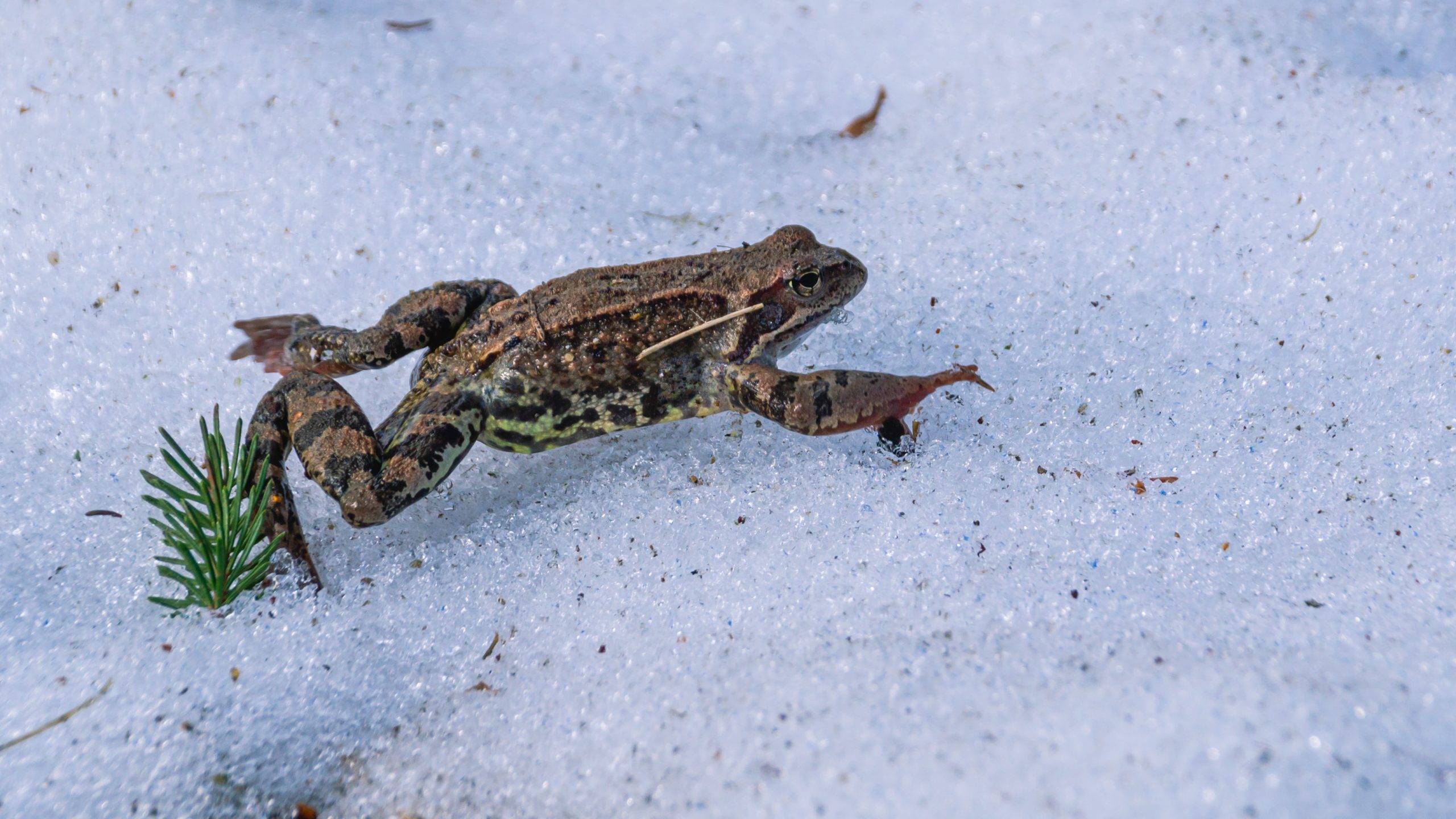
Many amphibians settle at the bottom of ponds or shelter in damp gaps over winter. If the pond freezes, melt a small hole by resting a hot saucepan on the surface – never hit the ice, as the shock can harm wildlife below. Keeping one access point clear helps prevent gas build-up and allows animals to drink.
Badgers and Foxes
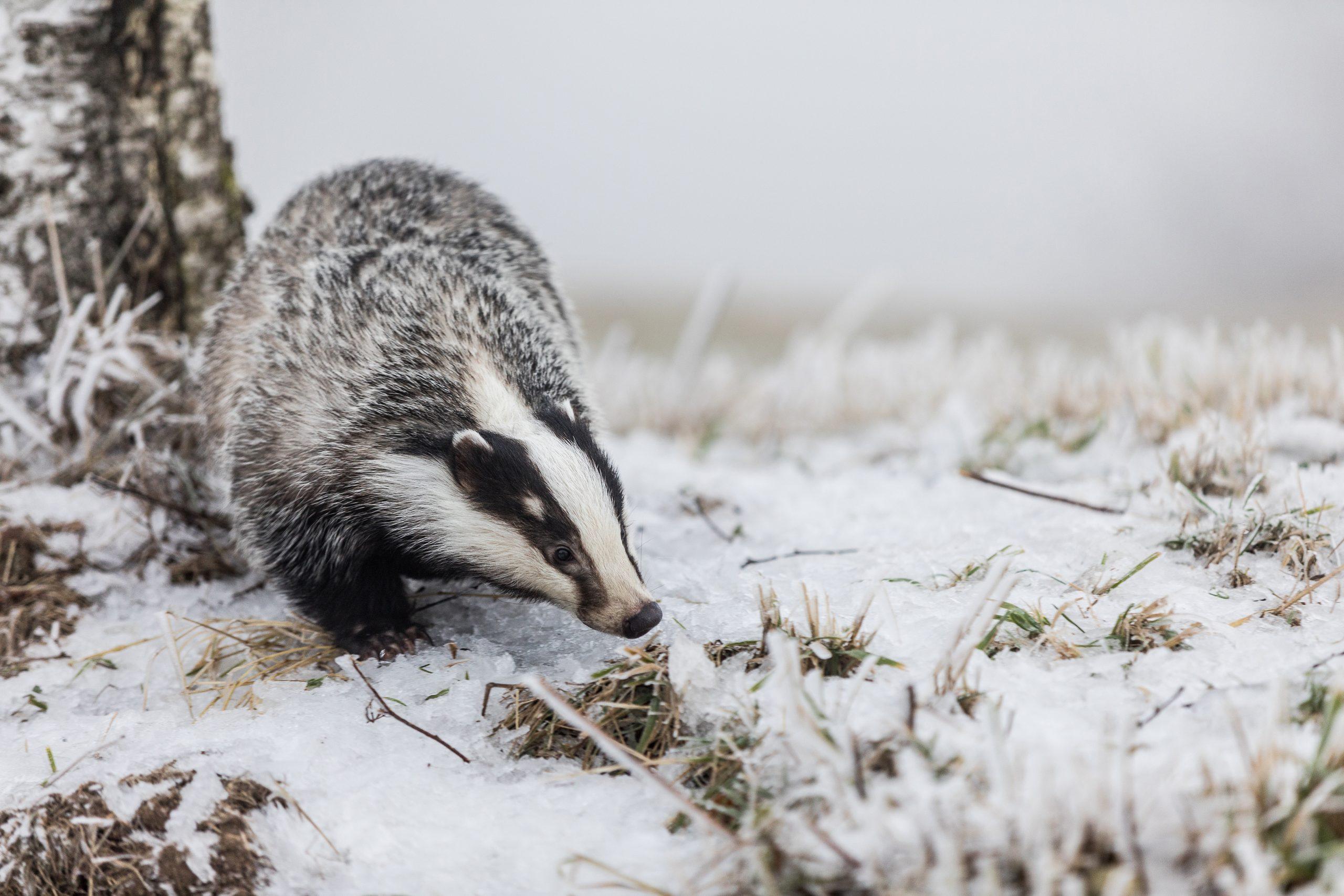
Most of their usual food becomes scarce during hard frost. Occasional supplementary food (small amounts of fruit, peanuts, or lightly cooked scraps) helps them through the coldest spells. Keep portions modest so they don’t become dependent.
Insects
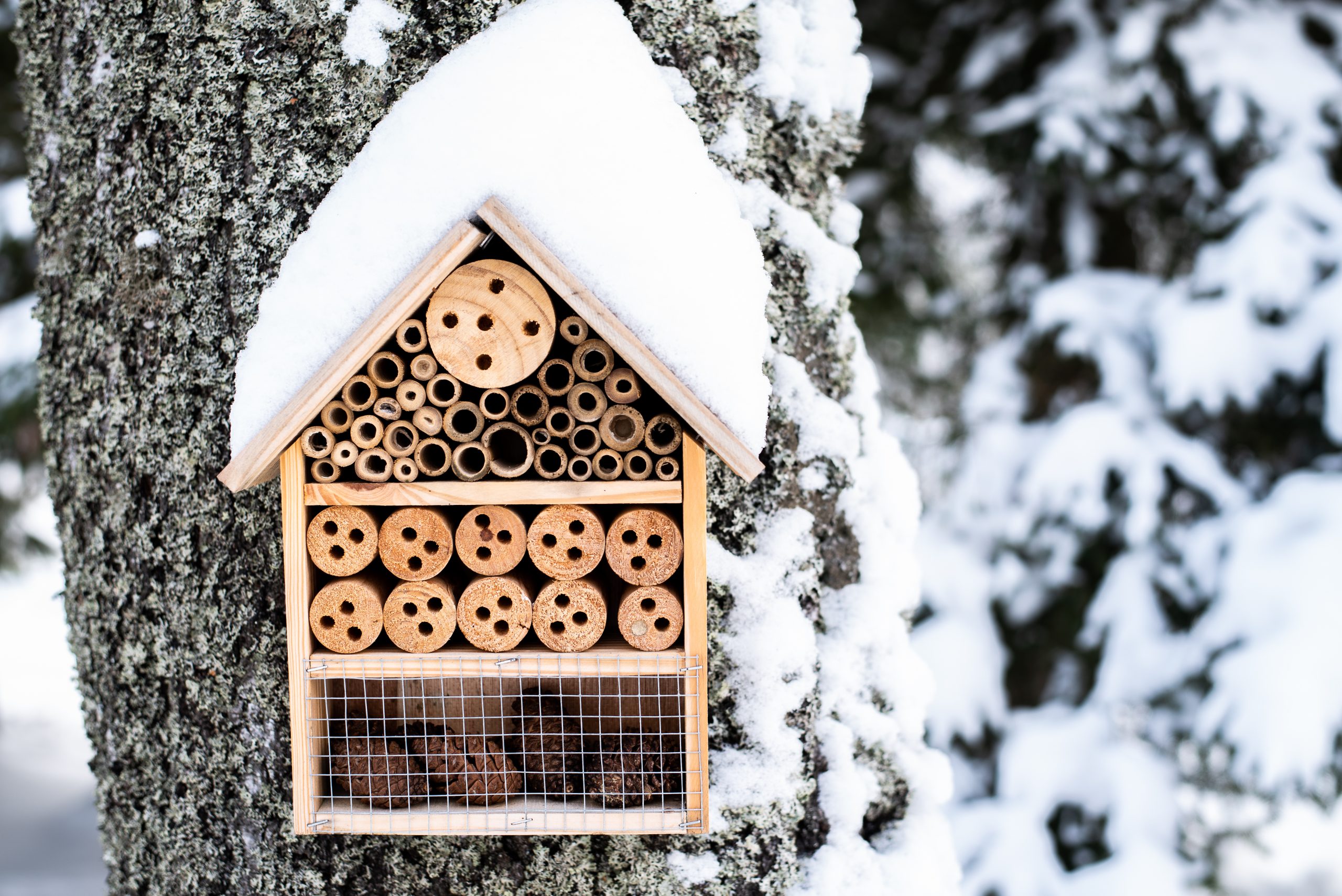
Insects are the base of the winter food chain, so giving them shelter has knock-on benefits for birds. Leave hollow stems in place until spring and keep a few corners of the garden messy. Bug hotels or stacked logs provide warmth and crevices where they can overwinter safely.
3 Garden Habits That Make Winter Easier
- Leaving leaves where they settle and resisting the urge to cut back borders gives insects and small mammals a place to hide, and in turn provides birds with natural feeding grounds.
- Rotate feeding areas every few weeks to avoid attracting rats or allowing waste to build up beneath feeders. Keep chemicals off paths and lawns, as many species drink from puddles and forage at ground level.
- Planting shrubs that hold berries through winter, such as holly, cotoneaster, or pyracantha, ensures a dependable food source when everything else has died back. These small adjustments create a garden that works with wildlife rather than against it.
5 Common Mistakes to Avoid
A few well-meant actions can backfire if you’re not aware of the risks:
- Never use antifreeze or salt to thaw ponds. Both are dangerous to wildlife.
- Don’t leave feeders uncleaned; disease spreads quickly in winter.
- Avoid fat balls sold in plastic nets, which can trap feet or beaks.
- Put out only as much food as will be eaten within a day or two to avoid attracting rats.
- And always check leaf piles, log stacks, and compost heaps before disturbing them, as hibernating animals may be tucked inside.
Final Checklist
- Top up feeders with high-fat foods and clean them before refilling.
- Break or melt a hole in frozen water and add a shallow dish at ground level.
- Leave leaf piles and uncut stems in place; start a small log stack if space allows.
- Check bonfire or compost heaps for sheltering wildlife.
- Add a bird box or bug hotel in a quiet, sheltered spot.
- Small steps like these create real support through the coldest weeks.
How We Can Help This Winter
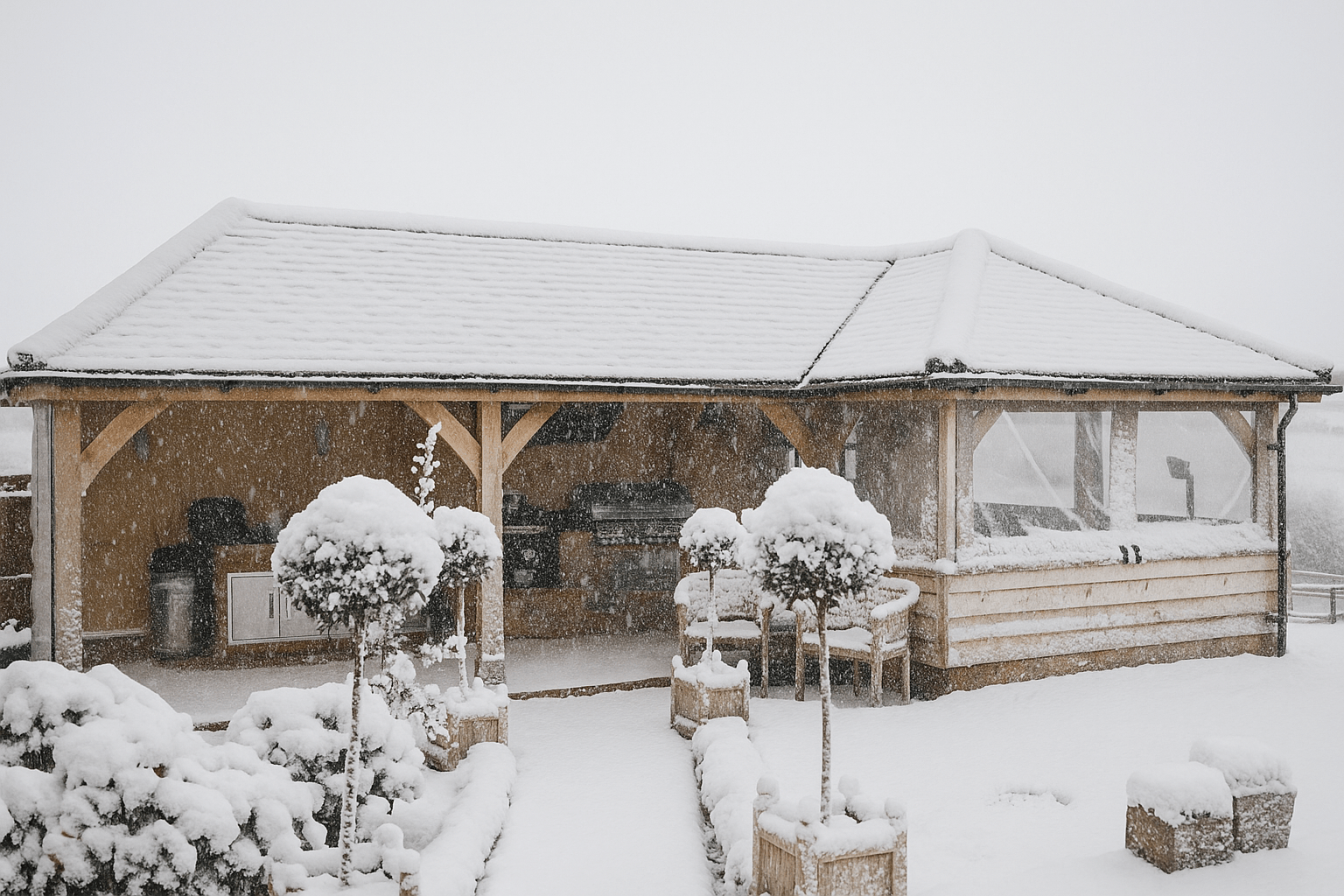
A few steady sources of food, water, and shelter go a long way. Our planters, bowls, log stacks, and garden features can help create the edges and hiding places many species rely on. If you’d like ideas for your space, our team is happy to advise or point you towards products that suit both your garden and its winter visitors.
Get a Quote
Looking for advice or have a question? Fill out our quick form below and we'll put you in touch with the right person in our team! We'll get back to you by the end of the next working day.

