
Getting Your Garden Ready for Winter
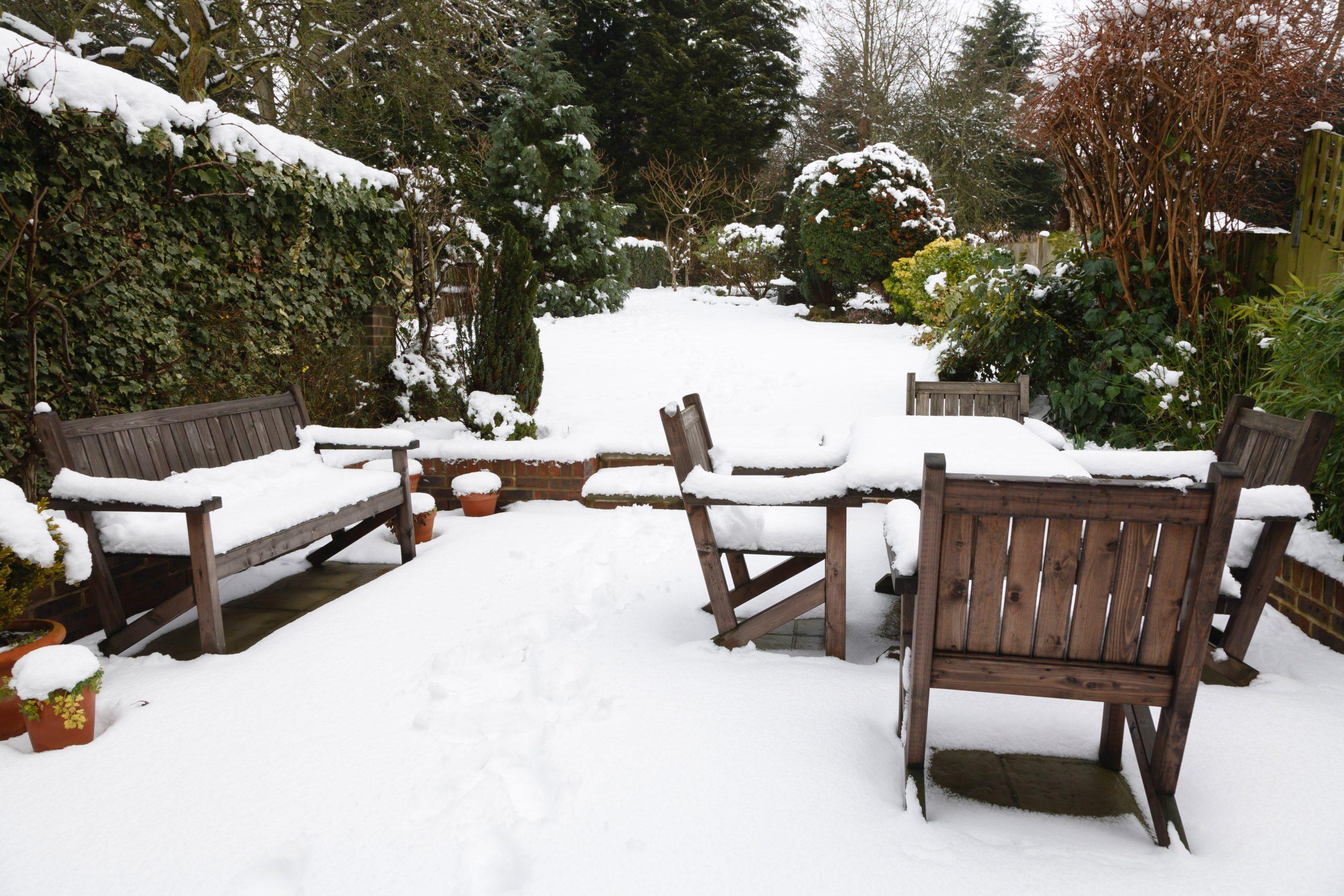
Winter puts strain on gardens. Cold snaps, heavy rain, and wind can damage plants and weaken structures. A little planning now can avoid problems later and keep the garden steady until spring returns. This guide focuses on the essentials: shielding plants, managing water, and making small adjustments that help your outdoor space handle the months ahead.
Assessing Your Garden Before Temperatures Drop
A quick circuit of the garden helps you see what needs attention before the cold sets in.
- Note plants that won’t cope with frost, any weak supports, and spots where water already pools after rain.
- Check containers, stakes, and ties to make sure they can handle winter winds.
- From there, decide what must be moved under cover, lifted for storage or cut back to keep growth healthy.
A short review now prevents problems later.
Protecting Plants – Beds, Borders and Containers
Tender and Half-Hardy Plants
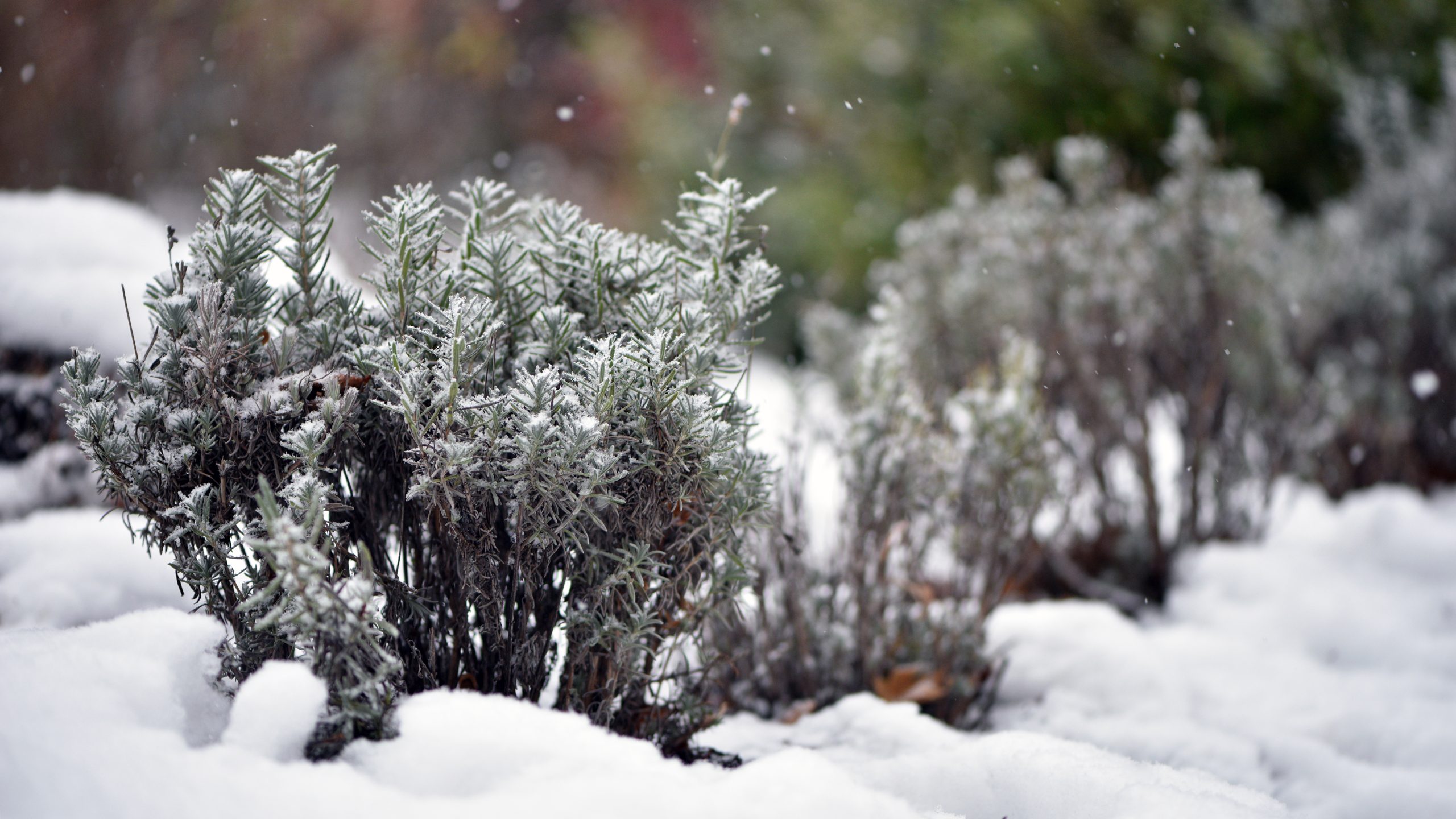
Plants that dislike frost need the most direct intervention. Containers are the simplest to manage: move them into a greenhouse, porch, or shed where temperatures stay a little higher. For anything that must remain outside, use fleece, cloches, or a cold frame to keep the worst of the weather off without trapping moisture.
Bulbs and tubers such as dahlias and cannas can be lifted once the top growth has blackened. Shake off excess soil, dry them thoroughly, and store them somewhere cool and frost-free until planting time returns. This single step prevents most winter losses with these plants.
Hardy Plants That Still Need Support
Even robust plants benefit from a little help. A mulch around the base of shrubs and perennials keeps the soil temperature more even and protects surface roots. In exposed spots, shrubs and young trees can rock in winter winds, loosening their root systems; tying them in or strengthening supports keeps them stable.
Cut back only what needs tidying. Leaving some stems in place gives the crown extra insulation and protects new buds. It also creates pockets of shelter for insects, which in turn support birds later in the season.
Containers and Raised Beds
Pots are vulnerable in winter because cold, wet compost expands and contracts, putting strain on both roots and the container itself. Raising pots on feet improves drainage and reduces the risk of freeze–thaw damage. If your garden is exposed, shift containers closer to the house where walls offer a degree of shelter and warmth.
Most container plants still need a small amount of water through winter, especially evergreens. Water sparingly during dry spells, just enough to stop the rootball drying out. Raised beds follow similar rules: keep drainage clear, avoid over-watering, and ensure the soil surface isn’t left compacted going into the cold months.
Lawn and Soil Care
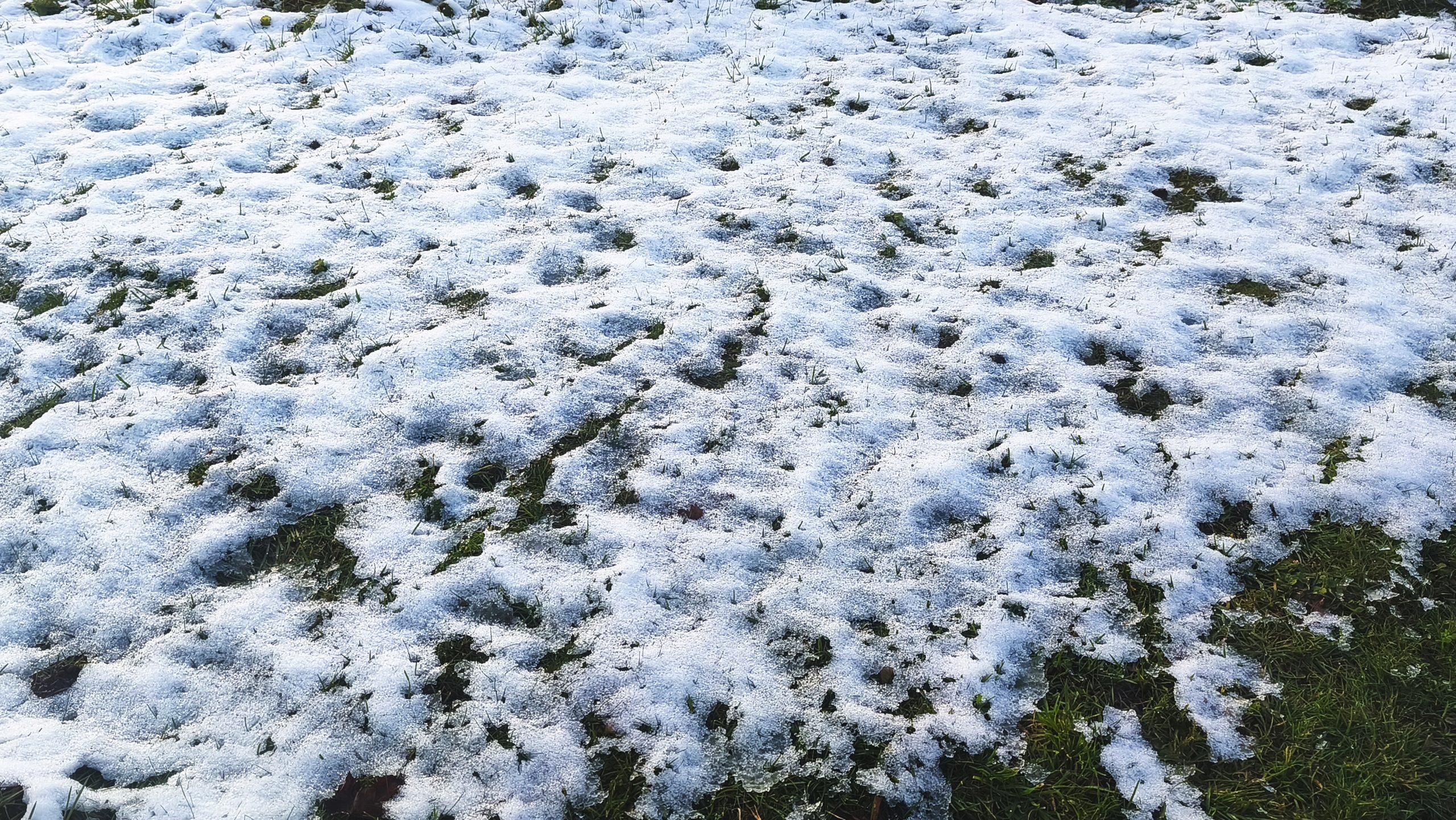
- Give the lawn a final cut before temperatures drop, but keep the blades high to avoid stressing the grass.
- If the soil feels compacted, a quick round of aeration helps winter rain move through the ground rather than sitting on the surface.
- Clear thick layers of fallen leaves so they don’t smother the grass, but let a few collect in borders where they’ll break down naturally.
- Adding a layer of compost or organic matter to beds at this stage improves structure and sets the soil up well for spring growth.
Trees, Shrubs, and Perennials
Pruning
Winter isn’t the time for major shaping unless a plant specifically responds well to it. Most trees and shrubs prefer pruning in late winter or early spring. For now, limit work to damaged, rubbing, or wind-risk branches so they don’t fail in bad weather.
Supporting Young Trees
Newly planted trees are vulnerable to wind rock. Check stakes and ties so they steady the trunk without fixing it rigidly. A flexible tie keeps the rootball secure and helps the tree establish properly through winter.
Leaving Perennials Standing
Perennials do more good left upright. Seed heads and hollow stems offer shelter for insects and insulate the crown from frost. They also hold some structure in the border when everything else has died back. Cut back in spring when new growth appears.
Managing Evergreens
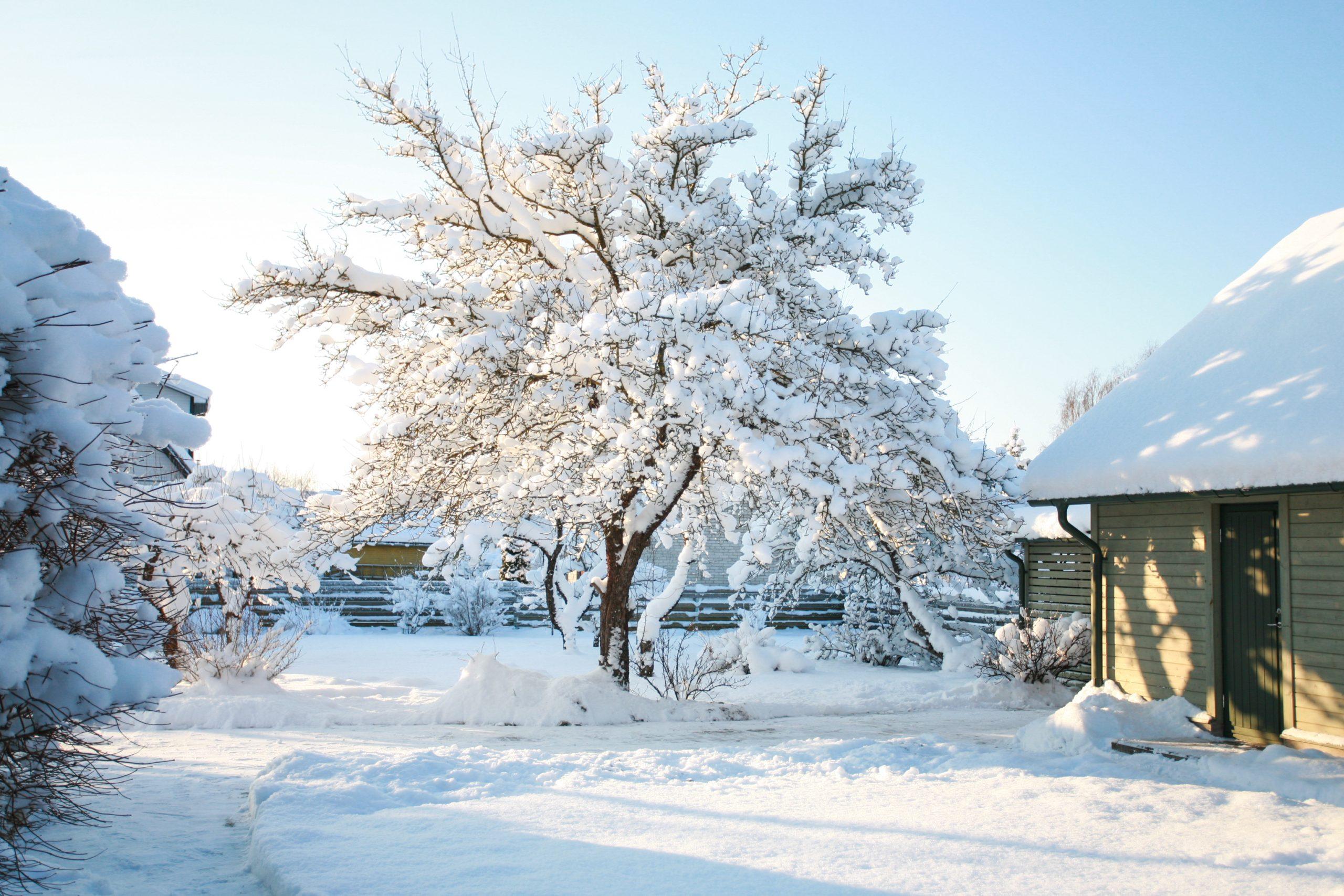
Evergreen shrubs need lighter handling. Brush off heavy snow so branches don’t bow or snap. Avoid pruning in hard frosts when wounds heal slowly. Keep the soil around them free-draining – sitting in saturated ground is more damaging than cold alone.
Water Management

Winter rain can overwhelm a garden if water has nowhere to go. Clear gutters, channels, and drain covers so run-off moves away from beds rather than pooling in them. If certain areas always sit wet, improve the soil with organic matter or raise the planting slightly to lift roots above standing water.
Ponds need attention too. Check them during cold spells and melt a small hole in any ice using a saucepan of hot water placed gently on the surface. Avoid cracking the ice, as shockwaves can harm fish and amphibians beneath.
Outdoor taps and irrigation lines also need protection. Insulate exposed pipework and shut off systems that won’t be used until spring. These small checks prevent burst fittings and keep the garden’s water supply ready for next season.
Hard Landscaping
Keeping Surfaces Safe
Decking, patios, and paths become slippery once leaves, moss and algae settle. A quick clear-up before the weather turns keeps surfaces safe and prevents long-term wear on timber or stone.
Checking Timber Structures
Look over pergolas, sheds, planters and any outdoor framing. Tighten loose fixings, spot-treat areas that stay damp, and refresh protective coatings where needed. Small jobs now prevent bigger repairs once winter sets in.
Protecting Outdoor Furniture
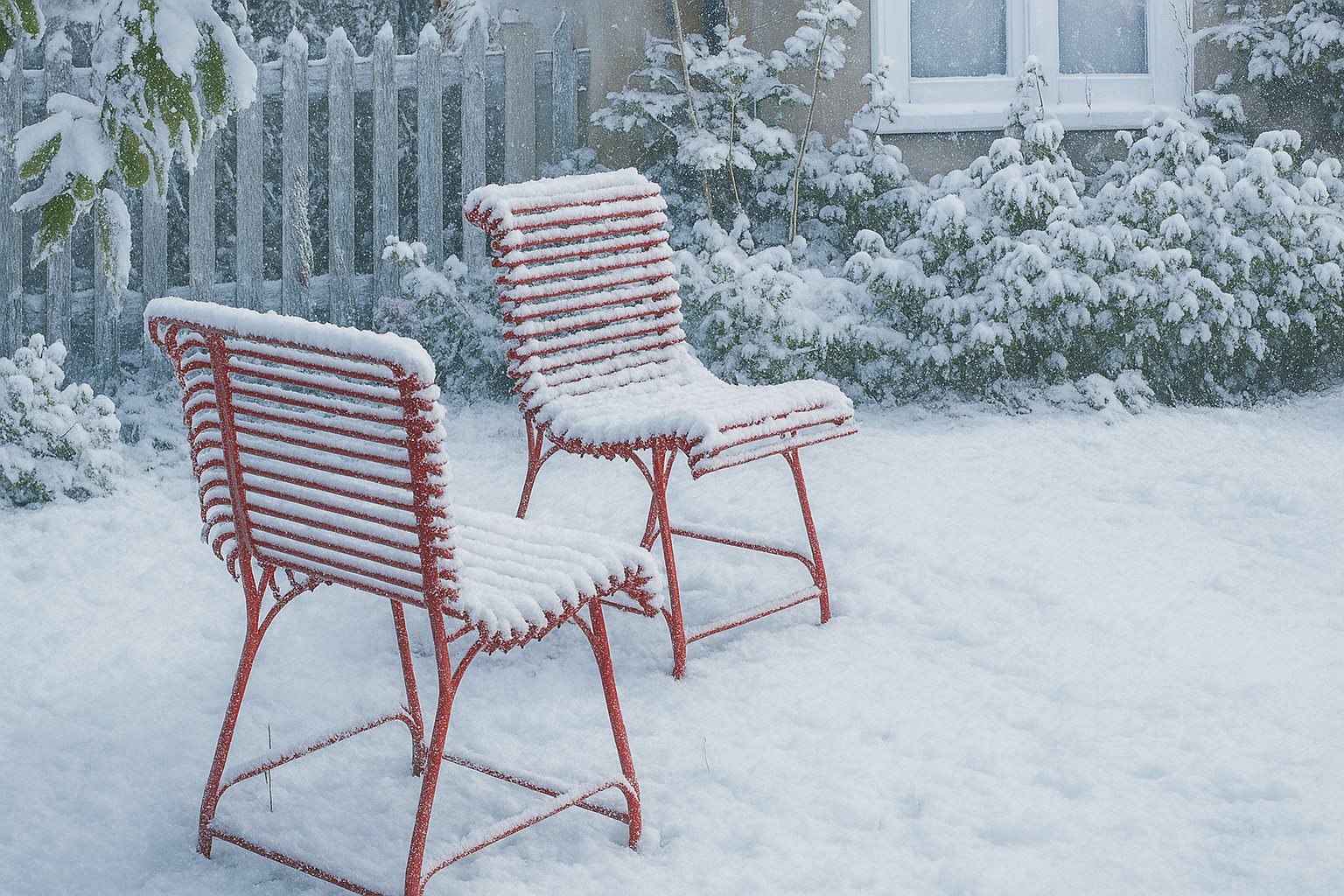
If space allows, store furniture under cover. At the very least, bring cushions indoors, and use breathable covers so frost and rain don’t shorten the life of the frames.
Caring for Bowls, Fire Pits, and Corten Steel
Clear leaves from around water bowls and check that water can drain away freely. Empty fire pits and cover them so they’re ready for use. Corten steel handles winter well, but keeping debris off its surface helps it weather evenly and avoids trapped moisture.
Wildlife-Friendly Winter Prep
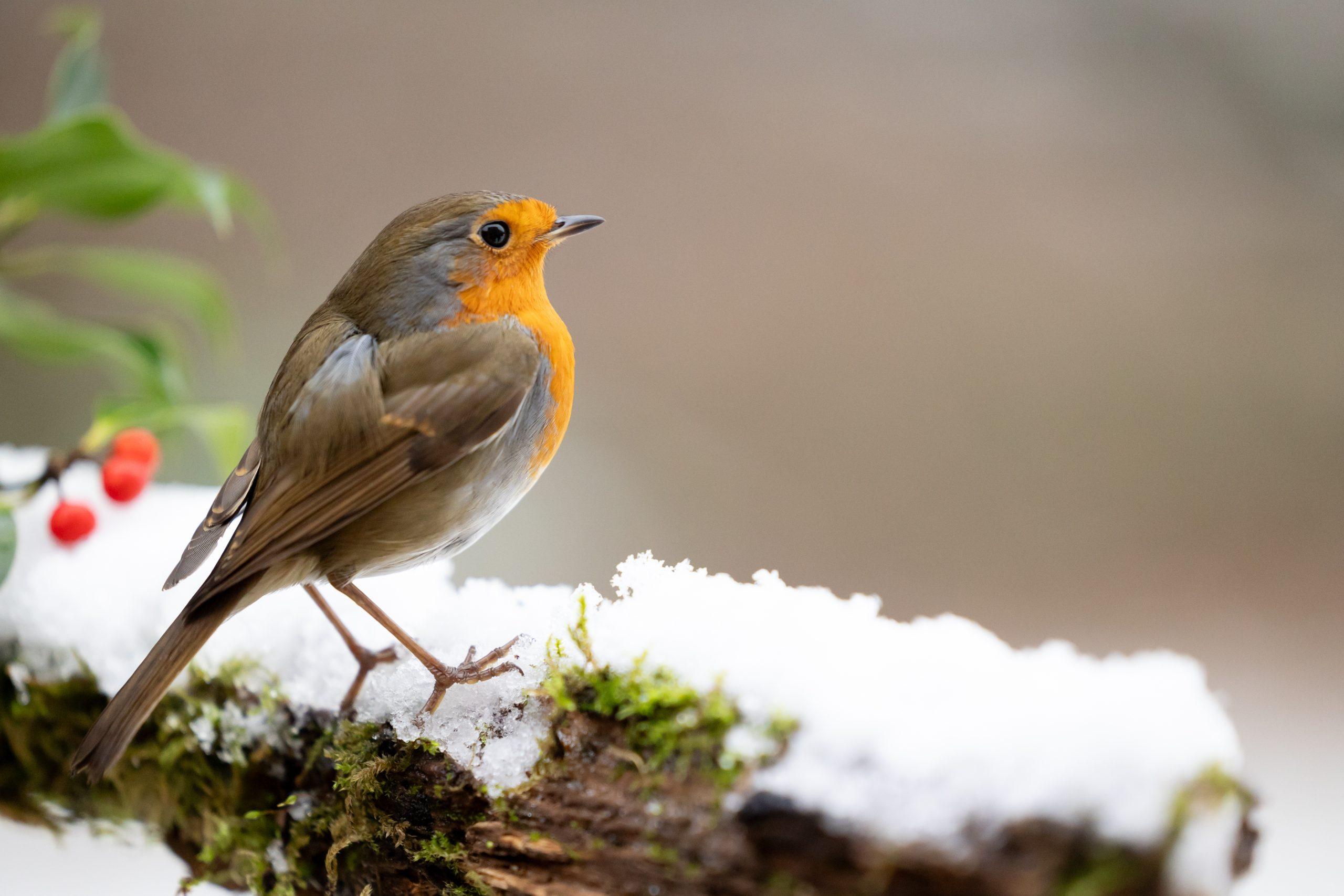
Winter preparation doesn’t mean stripping the garden bare. Leaving some leaf litter and hollow stems in borders gives insects places to shelter, which in turn supports birds later in the season. Keep feeders topped up and water accessible, especially in frost, so wildlife has somewhere reliable to visit.
Resist heavy pruning of hedges or dense shrubs, as these can hold roosting birds on cold nights. If you need to move compost heaps, log stacks, or piles of leaves, check them first – hedgehogs, frogs, and other small creatures often use them as winter cover. Small allowances like these help the garden function as a steady habitat through the colder months.
Read more on supporting wildlife in the wintertime →
5 Common Winter Gardening Mistakes to Avoid
- Over-watering containers
Cold, wet compost suffocates roots and increases the risk of rot. Most plants need far less water in winter, so only water when the surface is genuinely dry.
- Cutting back too much, too early
Removing all top growth exposes crowns to frost and takes away valuable shelter for insects. Leave most perennials standing until spring unless there’s clear damage.
- Using salt on paths near planting
Salt washes into soil and harms roots. Use grit instead, or keep de-icing products well away from borders and lawn edges.
- Leaving pots sitting in waterlogged saucers
Trapped water freezes and expands, stressing both roots and containers. Empty saucers and raise pots on feet to improve drainage.
- Forgetting outdoor taps and irrigation
Uninsulated pipes can split during the first hard frost. Isolate outside water lines, drain them down and wrap exposed fittings to prevent avoidable damage.
Quick Winter Garden Checklist
A few focused jobs like these keep the garden stable through the coldest months:
- Clear leaves from decking, paths, and patios.
- Raise pots on feet and move tender plants under cover.
- Mulch around key shrubs and perennials.
- Check stakes, ties, and guttering.
- Melt a small hole in frozen ponds; refresh bird water.
- Brush snow from evergreens.
- Insulate outdoor taps and drain irrigation lines.
Tools and Structures That Make Winter Easier

Thoughtful winter prep keeps the garden working well until spring, and the right equipment makes that easier. Our planters, raised beds, log stores, outdoor structures, and garden features are built to handle year-round weather, with fire pits and water bowls that hold up through cold spells.
If you’d like guidance on protecting timber, choosing durable materials, or preparing your space for winter, our team is always here to help.
Get a Quote
Looking for advice or have a question? Fill out our quick form below and we'll put you in touch with the right person in our team! We'll get back to you by the end of the next working day.

